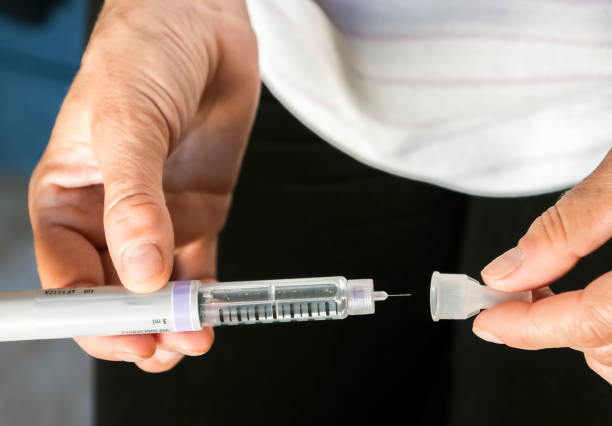
Successful weight management is not only about starting a treatment but also about how progress is tracked over time. With medications like Saxenda Injections in Riyadh*, regular monitoring ensures that the treatment is working effectively and safely for each individual.
- Helps evaluate weight loss progress
- Ensures safe dosage adjustments
- Supports long-term treatment success
When using Saxenda Injections in Riyadh*, doctors follow a structured approach to assess both physical and behavioral changes.
- Focus on overall health, not just weight
- Regular follow-ups are essential
- Treatment is personalized over time
Why Monitoring Is Important
Ensuring Safe and Effective Results
Monitoring helps doctors ensure that the treatment is working as expected without causing unwanted side effects.
- Tracks weight loss progress accurately
- Identifies side effects early
- Adjusts treatment if needed
This improves both safety and effectiveness.
Initial Assessment Before Starting Saxenda
Baseline Health Evaluation
Before beginning treatment, doctors establish a starting point for comparison.
- Body weight and BMI measurement
- Medical history review
- Lifestyle and eating habits assessment
This helps tailor Saxenda Injections in Riyadh* to individual needs.
Regular Weight Tracking
Monitoring Physical Progress
Weight is one of the main indicators of treatment success.
- Weekly or monthly weight checks
- Tracking body composition changes
- Evaluating fat loss trends
Doctors focus on long-term patterns rather than daily fluctuations.
Appetite and Eating Behavior Monitoring
Observing Lifestyle Changes
Since Saxenda works on appetite control, behavioral changes are closely observed.
- Reduced hunger levels
- Portion size changes
- Frequency of snacking
These improvements indicate that Saxenda Injections in Riyadh* are working effectively.
Dosage Adjustments Based on Response
Personalized Treatment Tuning
Doctors may adjust dosage depending on how the patient responds.
- Increase dose gradually if needed
- Adjust if side effects occur
- Maintain optimal therapeutic level
This ensures balance between effectiveness and comfort.
Side Effect Monitoring
Safety Evaluation During Treatment
Regular check-ups help identify any unwanted effects early.
- Nausea or digestive issues
- Fatigue or discomfort
- Injection site reactions
Early management helps improve treatment experience.
Blood Tests and Health Checks
Monitoring Internal Health
In some cases, additional tests may be recommended.
- Blood sugar levels (especially in diabetic patients)
- Metabolic health indicators
- Overall organ function checks
This ensures safe use of Saxenda Injections in Riyadh*.
Lifestyle and Diet Evaluation
Assessing Daily Habits
Doctors also review how well patients follow lifestyle recommendations.
- Diet quality and calorie intake
- Exercise consistency
- Hydration and sleep patterns
These factors strongly influence results.
Progress Photo and Measurement Tracking
Visual and Physical Changes
In addition to weight, body measurements may be used.
- Waist and hip measurements
- Body fat percentage (if available)
- Progress photos for comparison
This provides a clearer picture of transformation.
Psychological and Motivation Monitoring
Behavioral Support During Treatment
Doctors may also assess mental and emotional progress.
- Motivation levels
- Emotional eating patterns
- Treatment adherence
This helps ensure long-term success with Saxenda Injections in Riyadh*.
Identifying Plateaus in Weight Loss
Managing Slow Progress Periods
Sometimes weight loss may slow down, and monitoring helps address it.
- Evaluate dietary habits
- Adjust exercise routine
- Modify treatment plan if needed
This prevents long-term stagnation.
Importance of Follow-Up Visits
Continuous Medical Support
Regular appointments are essential for safe treatment.
- Monthly or scheduled consultations
- Progress review sessions
- Ongoing medical advice
This ensures consistent improvement.
Long-Term Progress Evaluation
Focus on Sustainable Results
Doctors look at overall transformation rather than quick changes.
- Steady weight reduction over time
- Improved metabolic health
- Better lifestyle habits
This ensures lasting benefits.
Role of Patient Self-Monitoring
Supporting Medical Supervision
Patients also play an active role in tracking progress.
- Keeping food and weight journals
- Recording exercise routines
- Noting appetite changes
This helps improve treatment accuracy.
Book Your Appointment for Professional Saxenda Monitoring
If you want safe and effective weight loss results, proper medical monitoring is essential. At Royal Clinic Saudia, patients receive regular evaluations, personalized dosage adjustments, and continuous support to ensure the best outcomes from Saxenda therapy. Booking an appointment helps you stay on track with expert supervision and a structured weight management plan.
FAQs:
How do doctors track progress on Saxenda?
Doctors monitor weight changes, appetite control, side effects, and lifestyle habits through regular follow-up visits.
How often should I see my doctor during Saxenda treatment?
Follow-up schedules vary, but regular monthly or periodic check-ups are usually recommended.
Do doctors adjust Saxenda dosage during treatment?
Yes, dosage may be adjusted based on effectiveness, tolerance, and patient response.
What else do doctors check besides weight?
They also assess eating behavior, side effects, metabolic health, and lifestyle changes.