Hair loss has become one of the most common aesthetic concerns among men and even women across Pakistan, affecting confidence, appearance, and social interactions. In recent years, advanced cosmetic procedures have started reshaping how people approach this issue, moving away from temporary solutions toward permanent restoration methods. Among these innovations, one procedure stands out for its growing demand and trust among patients seeking reliable results. Many individuals now consider Hair Transplant in Islamabad as a turning point in modern hair restoration because it offers a more natural look and long-lasting outcome compared to traditional treatments.
The increasing awareness of appearance and grooming, especially among younger generations, has made people more open to medical aesthetic solutions. Instead of relying on oils, medications, or temporary concealment techniques, individuals are now exploring scientifically backed procedures that address the root cause of hair loss. This shift in mindset is significantly changing the landscape of hair treatment across Pakistan.
Evolution of Hair Restoration in Pakistan
Hair restoration in Pakistan has evolved dramatically over the past decade. Earlier, most individuals depended on home remedies or over-the-counter products that promised quick fixes but rarely delivered lasting improvement. As medical aesthetics developed globally, Pakistan also witnessed a gradual transformation in patient expectations and treatment standards.
Modern hair restoration focuses on precision, natural hairline design, and permanent follicle relocation rather than superficial coverage. This evolution has allowed people to regain not just hair but also confidence in a more sustainable way. The change is especially visible in urban centers where awareness and exposure to international trends are higher.
Why Islamabad Has Become a Leading Destination
Islamabad has emerged as a prominent city for advanced cosmetic procedures due to its modern healthcare environment and growing awareness of aesthetic wellness. People from different regions of Pakistan travel to the capital city seeking better standards of care and improved procedural outcomes.
One of the key reasons behind this shift is the increasing demand for natural-looking results. Patients today are not just looking for hair growth; they want undetectable improvements that blend seamlessly with their original appearance. Islamabad’s evolving medical landscape supports this expectation by offering advanced consultation approaches and personalized treatment planning.
Another important factor is the comfort and privacy patients experience in the city. Hair restoration is often a sensitive topic, and individuals prefer environments where they feel understood and supported. This has contributed significantly to the popularity of advanced hair restoration procedures in the region.
Technology and Techniques Transforming Results
The transformation in hair restoration has largely been driven by modern techniques and improved technological integration. Unlike older methods that often resulted in visible scarring or uneven density, current approaches focus on precision and natural growth patterns.
Advanced extraction and implantation methods now allow specialists to work with individual follicular units, ensuring that each graft is placed in a way that mimics natural hair direction. This attention to detail has dramatically improved patient satisfaction and long-term outcomes.
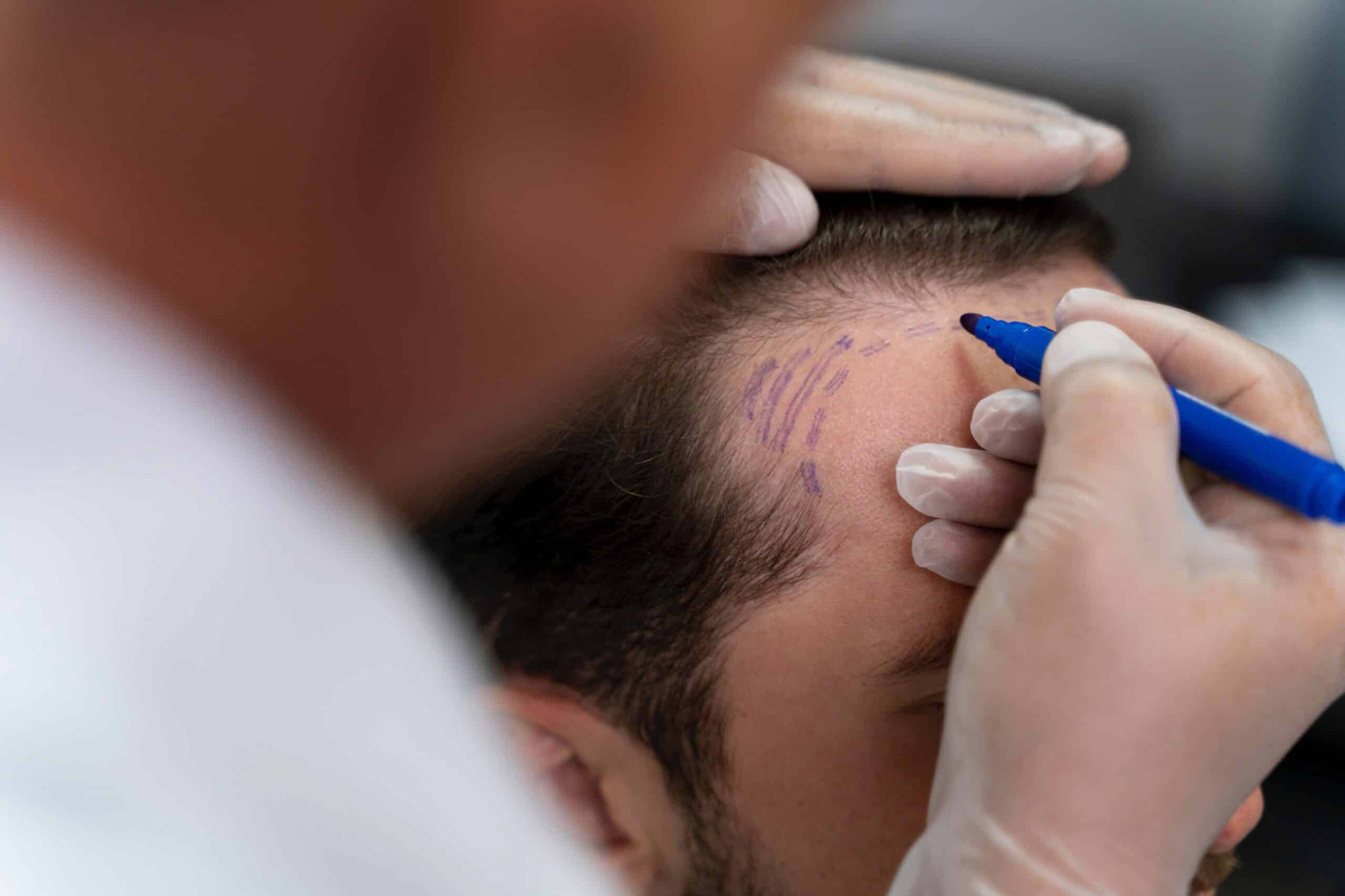
In addition, the use of digital planning tools has enhanced the ability to design accurate hairlines tailored to each individual’s facial structure. This personalization ensures that results do not look artificial but instead enhance overall appearance in a balanced and natural way.
Psychological and Social Impact of Hair Restoration
Hair loss often carries a psychological burden that affects confidence, self-esteem, and social interactions. Many individuals experience stress or self-consciousness due to visible thinning or receding hairlines, which can influence both personal and professional life.
Modern restoration methods are changing this narrative by offering solutions that restore not just physical appearance but emotional well-being as well. People who undergo successful procedures often report improved confidence, better social engagement, and a renewed sense of self-image.
This psychological transformation is one of the most powerful aspects of modern hair restoration, highlighting how deeply appearance can influence mental and emotional health. As awareness grows, more individuals are considering long-term solutions instead of temporary fixes.
Future of Hair Restoration in Pakistan
The future of hair restoration in Pakistan is expected to become even more advanced as technology continues to evolve. With increasing demand for minimally invasive procedures and natural outcomes, the industry is likely to see further improvements in precision, efficiency, and patient comfort.
Public awareness is also playing a key role in shaping this future. People are becoming more informed about available options and are actively seeking treatments that provide both safety and effectiveness. This shift is encouraging continuous innovation and raising overall standards in the field.
As techniques become more refined and accessible, hair restoration is expected to become a common part of personal grooming rather than a specialized or rare procedure.
FAQs
What makes modern hair restoration different from older methods?
Modern techniques focus on natural follicle placement, minimal scarring, and long-lasting results compared to older methods that often lacked precision.
Is hair restoration suitable for all types of hair loss?
It depends on the cause and stage of hair loss. A proper evaluation is usually required to determine suitability.
How long do results typically last?
Results are generally long-lasting as transplanted follicles continue to grow naturally over time.
Does the procedure look natural after completion?
Yes, advanced techniques are designed to match natural hair growth patterns and density for realistic outcomes.
Why is awareness about hair restoration increasing in Pakistan?
Better access to information, improved technology, and changing beauty standards have contributed to rising awareness.