
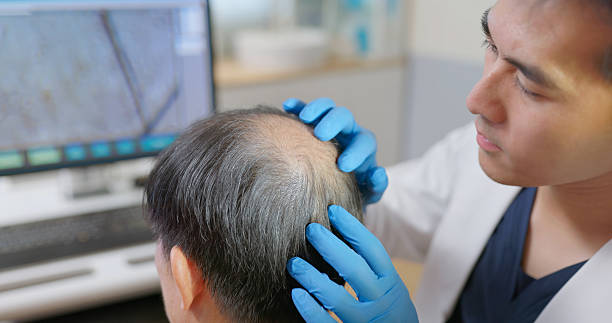
Hormones play a vital role in regulating the body’s natural hair growth cycle. From puberty to pregnancy, menopause, and aging, hormonal fluctuations can influence the thickness, strength, and growth rate of hair. While some hormonal changes cause only temporary shedding, others may lead to progressive hair thinning if left untreated. Understanding these changes helps individuals seek appropriate care at the right time. Many people experiencing hormone-related hair loss choose Hair loss treatment in Islamabad for a comprehensive evaluation and personalized treatment plan.
How Hormones Influence Hair Growth
Hair follicles respond to various hormones that regulate the growth, resting, and shedding phases of the hair cycle. Even small hormonal imbalances can affect normal follicle function.
Healthy hormone levels help:
- Maintain normal hair growth
- Support strong hair follicles
- Reduce excessive shedding
- Preserve hair density
- Encourage healthy scalp function
Balanced hormones contribute to long-term hair health.
Hormonal Changes During Puberty
Puberty triggers significant hormonal changes that can alter both hair growth and scalp oil production.
Common changes include:
- Increased body hair
- Greater scalp oil production
- Changes in hair texture
- Temporary hair shedding in some individuals
These changes are usually a normal part of development.
Pregnancy and Postpartum Hair Changes
During pregnancy, higher estrogen levels often keep more hair in the active growth phase, making hair appear thicker.
After childbirth, hormone levels return to normal, which may lead to:
- Increased shedding
- Temporary thinning
- Reduced hair volume
Most women experience gradual recovery within several months.
Menopause and Hair Thinning
Hormonal changes during menopause may contribute to noticeable hair thinning.
Women may experience:
- Reduced hair density
- Slower growth
- Finer hair texture
- Increased scalp visibility
Early treatment may help preserve existing hair.
Thyroid Hormones and Hair Health
Both overactive and underactive thyroid conditions can affect hair growth.
Possible symptoms include:
- Diffuse hair thinning
- Dry hair
- Slow regrowth
- Increased shedding
Proper medical treatment of thyroid disorders often improves hair health.
Lifestyle Habits That Support Hormonal Balance
Healthy daily routines help support overall hormonal health.
Recommended habits include:
- Regular exercise
- Adequate sleep
- Stress management
- Balanced nutrition
- Staying hydrated
These habits benefit both the body and the hair follicles.
Nutrition for Healthy Hair
Essential nutrients support normal hormone function and healthy hair growth.
Important nutrients include:
Protein
Supports hair structure.
Iron
Improves oxygen delivery to follicles.
Zinc
Supports healthy tissue repair.
Vitamin D
Contributes to follicle health.
B Vitamins
Support healthy cellular function involved in hair growth.
Balanced nutrition complements professional treatment.
Professional Hair Restoration Treatments
Persistent hormone-related hair thinning may benefit from advanced medical therapies.
Platelet-Rich Plasma Therapy
PRP therapy stimulates weakened follicles using concentrated growth factors from the patient’s own blood.
Benefits include:
- Improved follicle activity
- Better hair density
- Enhanced scalp circulation
- Minimal recovery time
Mesotherapy
Mesotherapy delivers vitamins and nutrients directly into the scalp.
Advantages include:
- Better nourishment
- Stronger hair roots
- Reduced shedding
- Improved scalp health
Treatment plans are customized based on each patient’s condition.
When to Seek Professional Evaluation
Professional consultation is recommended if:
- Hair thinning progresses steadily
- Shedding continues for several months
- Hormonal symptoms accompany hair loss
- Home care provides little improvement
- Hair density continues to decline
Early diagnosis improves treatment success.
Conclusion
Hormonal changes naturally occur throughout life, but they can significantly influence hair growth and scalp health. Recognizing these changes early and seeking appropriate professional care allows many individuals to manage hair thinning effectively. Combined with balanced nutrition, healthy lifestyle habits, and modern restoration treatments, personalized care offers the best opportunity for maintaining thicker, healthier hair. To learn more about expert hair restoration services and individualized treatment options, visit Hair Transplant Islamabad and begin your journey toward healthier hair.