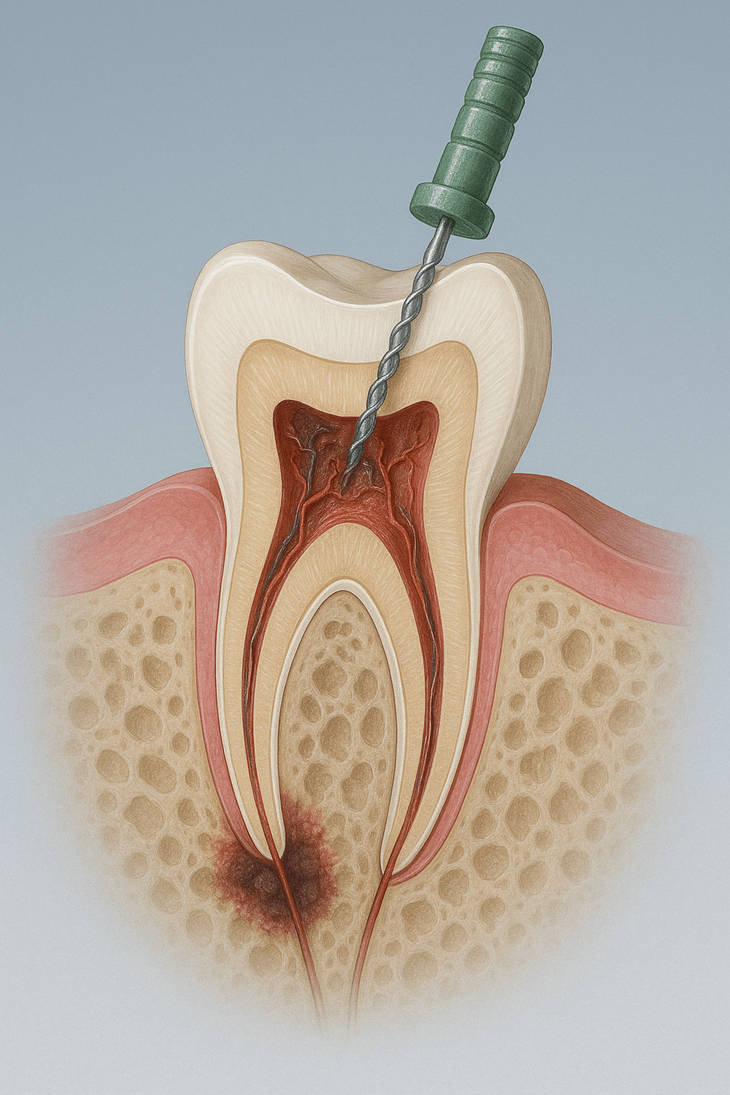
Tooth pain and dental decay are among the most common oral health concerns affecting people of all ages in Pakistan. When infection reaches the inner pulp of a tooth, it often creates severe discomfort, sensitivity, and swelling that can disrupt daily life. Instead of immediately resorting to extraction, modern dentistry focuses on preserving natural teeth whenever possible. This is where Root Canal Treatment in Islamabad plays a vital role, offering a reliable way to save infected teeth and restore oral health without removing them. By carefully cleaning the inner canals and sealing the tooth, this treatment helps eliminate infection while maintaining natural structure, allowing patients to chew, speak, and smile comfortably again. Preserving the natural tooth also supports long-term oral stability and prevents shifting of surrounding teeth, which can lead to further complications.
Understanding Root Canal Treatment and Its Purpose
Root canal treatment is a specialized dental procedure aimed at saving a tooth that has been severely affected by decay or infection. Inside every tooth is a soft core known as pulp, which contains nerves and blood vessels that keep the tooth alive. When this pulp becomes infected due to deep cavities, repeated dental procedures, or physical injury, it can lead to intense pain and inflammation.
The main goal of the procedure is to remove the infected pulp, disinfect the inner chambers of the tooth, and then seal it to prevent future bacterial invasion. Once treated, the tooth no longer contains living tissue but continues to function normally in the mouth. This approach is highly effective in preserving natural teeth that would otherwise require extraction due to severe damage.
Signs That Indicate the Need for Treatment
Recognizing early symptoms can help prevent complications and reduce the risk of tooth loss. One of the most common signs is persistent tooth pain that does not go away and may worsen while chewing or applying pressure. Sensitivity to hot and cold foods or drinks that lingers even after the stimulus is removed is another warning sign.
Swollen or tender gums around a specific tooth can indicate underlying infection. In some cases, the tooth may appear darker or discolored compared to surrounding teeth, signaling internal damage. Some individuals may also notice the formation of small pimples on the gums, which can indicate the presence of an abscess.
Ignoring these symptoms can allow the infection to spread further, increasing the likelihood of extraction. Early intervention helps preserve the tooth structure and prevents more serious oral health issues.
How the Procedure Helps Prevent Tooth Extraction
The primary reason root canal therapy is recommended is to avoid the removal of a natural tooth. Once the infected pulp is removed, the inner space is thoroughly cleaned and shaped to eliminate bacteria. This step is crucial in stopping the infection from spreading to surrounding tissues or other teeth.
After cleaning, the tooth is carefully sealed using a filling material that blocks future bacterial entry. In many cases, the treated tooth is strengthened to restore its function and durability. By addressing the infection at its source, the procedure allows the natural tooth to remain in place instead of being extracted.
This preservation is important because losing a tooth can lead to misalignment, bite issues, and additional strain on remaining teeth. Root canal therapy ensures that the natural tooth is retained and continues to function effectively within the dental structure.
Benefits of Preserving Natural Teeth
Keeping natural teeth offers several long-term advantages that go beyond simple appearance. Natural teeth are designed to work together for proper chewing efficiency, allowing individuals to eat comfortably and maintain a balanced diet. When a tooth is preserved, it continues to support proper bite alignment and prevents unnecessary movement of surrounding teeth.
Another major benefit is the preservation of jawbone structure. When a tooth is removed, the underlying bone can gradually weaken over time due to lack of stimulation. Maintaining the natural tooth helps keep the jawbone healthy and strong.
Aesthetic appearance is also better maintained when natural teeth are preserved, as artificial replacements may not always perfectly match surrounding teeth. Additionally, retaining original teeth reduces the need for more complex dental corrections in the future.
Recovery and Long-Term Oral Health Care
Recovery after root canal treatment is generally smooth, with most individuals resuming normal activities shortly after the procedure. Mild sensitivity may occur temporarily, but it typically subsides as the tooth heals and stabilizes.
Maintaining good oral hygiene is essential for long-term success. Regular brushing, flossing, and rinsing help prevent new infections and keep surrounding gums healthy. It is also important to avoid excessive pressure on the treated tooth, especially in the early recovery phase.
Routine dental checkups help ensure that the tooth remains in good condition and that no new issues develop. With proper care, a treated tooth can last for many years and function just like a natural one.
FAQs
What causes the need for root canal treatment?
It is usually required when tooth decay or injury leads to infection inside the pulp of the tooth.
Is root canal treatment painful?
Modern techniques are designed to minimize discomfort, making the procedure similar to a routine filling for most patients.
How long does a treated tooth last?
With proper care and hygiene, a treated tooth can last for many years without complications.
Can a tooth become infected again after treatment?
Yes, but maintaining good oral hygiene significantly reduces this risk.
Why is saving the natural tooth important?
It helps maintain proper chewing function, alignment, and overall oral health stability.
Losing a tooth can create long-term dental challenges that affect both function and appearance. Instead of extraction, preserving the natural tooth offers a more sustainable solution for oral health. A carefully performed procedure ensures infection is removed while maintaining the tooth’s structure and usefulness. This is why Root Canal Treatment in Islamabad remains one of the most effective approaches for protecting natural teeth, restoring comfort, and preventing unnecessary tooth loss in the long run.