Long journeys can leave the body feeling different from usual, even when the trip itself has been comfortable. Hours spent sitting in the same position, carrying luggage, waiting between connections and adjusting to unfamiliar routines can gradually contribute to physical tiredness. After reaching the destination, a person may notice stiffness in the back, shoulders, hips or legs, along with a general feeling of heaviness. When sleep patterns are also disrupted, recovering from the journey can take more time.
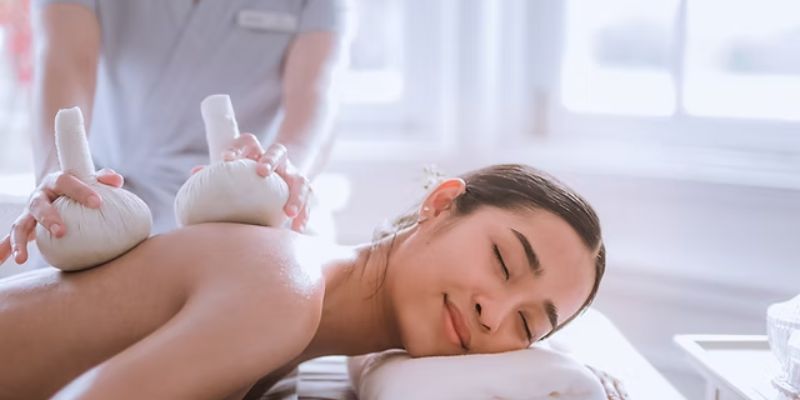
For people experiencing mild physical stiffness or general tiredness after travelling, Thai Massage in Chennai may be considered as part of a relaxation routine. Traditional Thai massage commonly includes assisted stretching, controlled pressure and guided movements that may help the body feel less restricted after long periods of limited activity. It does not replace proper sleep or healthy recovery habits, but it may provide a way to support physical relaxation when travel leaves the body feeling tense or uncomfortable.
Why Can Long Journeys Leave the Body Feeling Tired?
Travel fatigue often develops through a combination of different physical and lifestyle factors. Sitting for several hours can reduce the amount of natural movement the body usually receives throughout the day. Even when a person is able to change position occasionally, the body may still remain relatively inactive for a long period.
This can make the lower back, hips and legs feel stiff. The shoulders may also become tense, particularly when a person spends hours sitting with limited support or carrying a bag. These effects may become more noticeable after reaching the destination because the body has finally moved from a busy travel environment into a period of rest.
The physical effort involved in travelling can also contribute to fatigue. Walking through terminals, standing in queues, lifting luggage and moving between different forms of transport may place temporary demands on the muscles. None of these activities may seem particularly strenuous on their own, but together they can leave the body feeling tired.
Changes in routine can add to this experience. Meals may take place at unusual times, sleep may be shorter than normal and regular physical activity may be interrupted. When these changes occur during the same journey, the body may need time to return to its usual rhythm.
How May Thai Massage Help With Post Travel Stiffness?
Assisted Stretching May Encourage Gentle Movement
Assisted stretching is one of the features commonly associated with traditional Thai massage. During a session, the body may be guided through controlled movements that encourage gentle mobility. This can be relevant after a long journey, particularly when certain areas feel less flexible after remaining in one position for an extended period.
The hips, legs and back can be affected by prolonged sitting. Gentle stretching may help create a greater sense of movement in these areas while allowing the individual to become more aware of how the body feels. The movements should remain within a comfortable range rather than forcing the body into positions that cause discomfort.
This approach may appeal to people who prefer a more active form of relaxation. Unlike simply lying still, assisted stretching involves gentle movement that may help the body gradually transition from prolonged inactivity to a more comfortable state.
Controlled Pressure May Help the Body Relax
Travel can also create muscle tension through posture and repetitive physical activity. A person may hold the shoulders in one position for hours, sleep in an awkward posture or carry luggage using one side of the body more than the other. These habits may contribute to temporary tension after the journey.
Massage techniques involving controlled pressure may help promote a feeling of relaxation in areas that feel tight. The level of pressure should be suitable for the individual’s comfort. A stronger massage is not automatically more effective, especially when the body is already tired from travel.
The experience can vary between individuals. Some may prefer gentle pressure and slow movements, while others may feel comfortable with a more structured approach. Paying attention to how the body responds can help make the experience more comfortable.
Can Massage Support Relaxation During Jet Lag?
Jet lag can make the first few days after international travel feel unusual. A person may feel sleepy during the day, find it difficult to sleep at night or experience lower energy while adjusting to a new time zone. The body’s internal sleep and wake cycle may take time to align with the local schedule.
Massage does not reset the body’s internal clock and should not be considered a treatment for jet lag. However, physical relaxation may be helpful for people who feel tense or uncomfortable while adjusting to a different routine. This may be especially relevant when jet lag occurs alongside muscle stiffness caused by extended sitting during travel.
The body generally needs time to adapt to a new schedule. Maintaining a regular sleep routine, staying hydrated, getting suitable daylight exposure and following local meal and activity timings may support the adjustment process. Massage may be considered as one additional way to create a period of physical relaxation during this transition.
When Might Someone Consider a Massage After Travelling?
The timing of a massage can depend on how the body feels after reaching the destination. Some people may prefer to rest, eat and hydrate before choosing a session. Allowing time for the body to settle after a long journey may make the experience more comfortable.
For individuals who notice mild stiffness after extended travel and are considering a relaxation based option, Thai Massage in Velachery may be considered according to personal comfort and convenience. The choice should be based on the type of discomfort experienced rather than an expectation that massage will instantly remove every effect of travel fatigue.
It can also be helpful to communicate areas of stiffness before the session begins. This allows the practitioner to understand which parts of the body may need a gentler approach. When the body is tired after a long journey, comfort should remain more important than choosing intense pressure or demanding movements.
How Can Massage Fit Into a Post Travel Routine?
Rest and Physical Relaxation Can Complement Each Other
Recovering from travel involves more than one activity. Sleep, hydration, regular meals and light movement can all support the body’s return to a familiar routine. A massage may complement these habits by creating a period in which the body can relax after the physical demands of a journey.
Some people may find that relaxation becomes easier when the body is not carrying the same level of tension created by prolonged sitting or travel related activity. For those considering a session as part of their post travel routine, Thai Massage in Anna Nagar may be an option based on individual preference and comfort.
The purpose should be to support relaxation rather than depend on massage as the only method of recovery. A balanced routine can give the body time to adjust naturally after changes in sleep, movement and daily activity.
Light Movement May Help After Extended Sitting
After spending several hours seated, gentle movement can help the body gradually return to regular activity. A short walk or simple comfortable movements may be suitable for someone who feels physically inactive after a journey. Intense exercise may not always be necessary immediately after travelling, especially when sleep has also been disrupted.
Alternating between light movement and rest may help prevent the body from remaining inactive for too long. This can be particularly useful when travel involves a long flight, train ride or road journey. The goal is not to push the body but to allow movement to return gradually.
Why Is a Gradual Approach Useful After Travel?
The body may not immediately return to its normal rhythm after a long journey. Even when the person has reached the destination, the effects of sitting, carrying luggage and sleeping at unusual times may continue for a while. A gradual approach can make the transition more comfortable.
Gentle movement, sufficient rest and relaxation can work together as the body adjusts. Some people may prefer to take a break before returning to regular physical activity, while others may feel better after light movement. Paying attention to personal comfort can help determine what feels appropriate.
Massage may be one option for individuals who experience general physical tension after travel. Its potential benefit is mainly related to relaxation and mobility rather than correcting the body’s sleep cycle or treating every form of fatigue. Understanding this distinction helps create realistic expectations.
Travel fatigue and jet lag discomfort can develop through a combination of prolonged sitting, limited movement, disrupted sleep and changes in daily routine. Thai massage may help some people feel more physically relaxed when mild stiffness follows a long journey. Its role is best considered alongside adequate rest, hydration, gentle movement and time for the body to adjust to a new routine. When approached as part of a balanced recovery routine, relaxation techniques may help make the transition after a demanding journey feel more comfortable.