Whether you are scrolling on your phone, working at a screen, or navigating daily life, your eyes are constantly at work. But eye health is often neglected until symptoms start interfering with vision and hamper your day-to-day work. The challenge is that many eye conditions, such as glaucoma or retinal issues, develop gradually, making it difficult to recognise when it is time to see a specialist.
In this blog, you will learn how to identify and choose the best ophthalmologist based on expertise, technology, and practical factors so you can protect your vision with timely and effective treatment.
Evaluate the Hospital and its Facilities
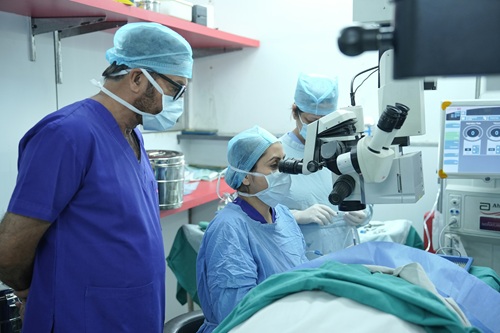
Choosing the best ophthalmologist near me goes beyond the doctor alone; it also involves assessing the quality of the hospital or clinic they are associated with. Modern eye care depends heavily on advanced diagnostic and surgical technologies.
Opt for facilities that offer:
- Advanced diagnostic equipment, such as Optical Coherence Tomography, fundus cameras, and visual field tests, is used to correctly diagnose retinal and optic nerve problems
- State-of-the-art surgical equipment, such as phacoemulsifiers for cataract surgeries and LASIK technology for vision correction
- Good hygiene and sterilisation practices, especially in operating theatres
- Qualified optometrists to help with a proper eye check-up
Check the Doctor’s Experience
Ophthalmology is a broad field, and different eye conditions require specialised expertise. A general ophthalmologist may not always be the best choice for complex issues.
While evaluating a doctor, check:
- Recognised qualifications (MS/MD/DNB in Ophthalmology)
- Fellowships or subspecialty training (e.g., retina, cornea, glaucoma, paediatric ophthalmology)
- Years of hands-on surgical and clinical experience
- Case volume (e.g., number of cataract or LASIK surgeries performed)
- Experience in managing specific conditions like diabetic retinopathy, glaucoma, or macular degeneration
For example:
- Choose a retina specialist for diabetic eye disease
- Choose a glaucoma specialist for intraocular pressure-related issues
- Choose a cornea specialist for infections or keratoconus
Opt for Convenience and Accessibility
Convenience also plays a key role when choosing the best ophthalmologist in India. You may need to visit the clinic/hospital frequently for follow-ups, diagnostic procedures, treatment, and aftercare.
Selecting an ophthalmologist near your home or workplace can be convenient. Hence, you must look at the following:
- Distance of the clinic from your home
- Parking or public transport facility
- Flexibility in appointment scheduling
- Availability of emergency consultations
Check Insurance Coverage and Treatment Costs
Eye surgeries such as cataract surgery, LASIK, or retinal surgery can be costly. It is necessary to be clear about finances before starting your treatment. Hence, you must check whether the ophthalmologist accepts your health insurance plan.
Insurance coverage can reduce your out-of-pocket expenses, making treatment more accessible. You can check the following things before proceeding:
- Whether the hospital/clinic is included in your insurance coverage
- Coverage for consultations, tests, and procedures
- Pre-authorization requirements for surgeries
- Hidden charges that are not covered under insurance
Look for Easy Communication and Patient Comfort
Communication between a patient and doctor is essential in any medical treatment, and eye care is no exception.
Many patients often fail to clearly describe their symptoms, which can make diagnosis difficult. Eye conditions can sometimes develop gradually without noticeable symptoms in the early stages.
For instance, diseases such as glaucoma may progress silently until vision loss has already begun. A good ophthalmologist will:
- Take time to understand your symptoms and medical history
- Explain diagnosis using simple, non-technical language
- Discuss multiple treatment options with pros and cons
- Encourage you to ask questions and clarify doubts
When patients feel comfortable discussing their problems, doctors are better able to understand the situation and provide the right treatment.
Schedule Routine Eye Check-Ups
Even if you are not experiencing any vision problems, routine eye check-ups are important for maintaining your eye health. Routine eye check-ups can help detect eye problems early, so treatment can begin before the problem worsens.
Follow these guidelines:
- Adults (20–40 years): Eye check-up every 1–2 years
- Above 40 years: Annual eye exams to screen for glaucoma, cataracts, and age-related conditions
- Diabetic or high-risk patients: More frequent screenings as advised.
When Should You Visit An Ophthalmologist?
You should consult an ophthalmologist if you experience any of the following symptoms:
- Persistent eye pain or irritation
- Blurred or double vision
- Sudden vision loss
- Eye redness or swelling
- Sensitivity to light (photophobia)
- Frequent headaches associated with eye strain
Conclusion
Finding the right eye specialist near your location is an important step towards protecting your eyes and maintaining eye health. Since there are many eye specialists, it is crucial to evaluate them carefully based on their expertise, qualifications, attitude, patient reviews, and available facilities.
Hence, if you are experiencing eye problems, it is crucial not to delay seeking medical attention. The earlier you seek the best ophthalmologist, the better you can maintain your eyesight for a lifetime.