Introduction
Healthy toenails play an important role in protecting your feet and supporting comfortable movement. However, many people unknowingly trim their toenails incorrectly, increasing the risk of ingrown toenails, infections, pain, and nail damage. Proper nail care is a simple habit that can prevent many common foot problems and improve overall foot health.
Whether you are caring for your feet at home or managing an existing nail condition, using the correct trimming technique is essential. If you notice pain, swelling, or recurring nail problems, seeking professional advice early can prevent more serious complications. A podiatrist can assess your foot health and provide safe treatment tailored to your needs.
Why Proper Toenail Trimming Is Important
Toenails protect the sensitive skin at the end of each toe and help support balance while walking. Keeping them at the correct length reduces pressure inside your shoes and helps prevent discomfort during daily activities.
Many foot problems begin because nails are cut too short or shaped incorrectly. This can cause the nail edge to grow into the surrounding skin, leading to redness, swelling, and infection.
Professional care from a Podiatry Clinic in Edinburgh helps identify early nail problems and ensures proper nail care techniques are used to prevent future complications.
By following safe trimming practices, you can protect your feet and reduce the likelihood of painful nail conditions.
Use the Right Tools Before You Start
Using the correct equipment makes toenail trimming safer and more effective. Choose sharp toenail clippers or nail nippers that provide a clean cut without splitting the nail.
Before trimming, wash your feet thoroughly and dry them completely. Nails are often easier to trim after a shower or bath because they become softer and less likely to crack.
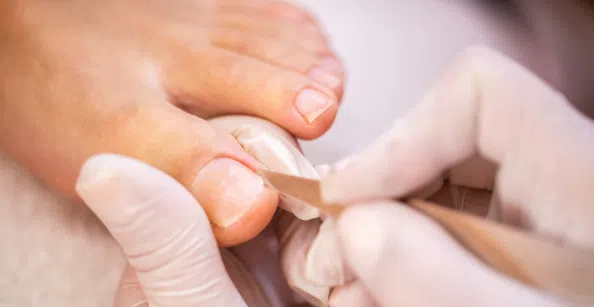
If you struggle to trim thick or difficult nails, visiting a Podiatry Clinic in Edinburgh allows trained professionals to trim them safely using sterile instruments and appropriate techniques.
Always disinfect your nail care tools after each use to reduce the risk of bacterial or fungal infections.
The Correct Way to Trim Your Toenails
Always trim your toenails straight across rather than rounding the corners. This simple technique helps prevent the nail from growing into the surrounding skin.
Avoid cutting nails too short, as this increases pressure on the skin around the nail and makes ingrown toenails more likely to develop. Leave a small amount of white nail visible beyond the tip of the toe.
Many people receive personalised advice from a Podiatry Clinic in Edinburgh to learn the safest trimming techniques based on their nail shape, foot condition, and overall health.
After trimming, gently smooth rough edges with a nail file instead of cutting deeply into the corners.
Watch for Warning Signs of Nail Problems
Healthy toenails should be smooth, evenly coloured, and free from pain. Changes in their appearance often indicate an underlying problem that should not be ignored.
Signs such as thickened nails, yellow discolouration, swelling, persistent pain, bleeding, or fluid around the nail may suggest fungal infection or an ingrown toenail.
Early assessment at a Podiatry Clinic in Edinburgh allows podiatrists to diagnose these conditions quickly and recommend the most appropriate treatment before complications develop.
Seeking treatment early usually results in faster recovery and helps prevent recurring nail problems.
Daily Habits That Keep Toenails Healthy
Good foot hygiene is just as important as proper nail trimming. Wash your feet daily using warm water and mild soap, then dry them carefully, especially between the toes.
Wear shoes that fit properly and provide enough space for your toes. Tight footwear places pressure on the nails and increases the risk of injury and ingrown toenails.
Regular appointments with a Podiatry Clinic in Edinburgh can help maintain healthy feet, particularly for older adults, people with diabetes, and individuals who have difficulty caring for their own toenails.
Changing your socks every day and keeping your feet dry also helps prevent fungal infections.
When You Should Visit a Podiatrist
Some toenail conditions should never be treated at home. Persistent pain, severe ingrown toenails, fungal infections, thickened nails, or repeated nail injuries require professional attention.
People with diabetes, poor circulation, arthritis, or reduced mobility should seek regular foot care because even small nail problems can become serious if left untreated.
Experienced specialists at a Podiatry Clinic in Edinburgh provide safe nail trimming, infection management, and personalised treatment plans that protect long-term foot health.
Routine podiatry visits also help identify developing foot problems before they become more difficult to treat.
Conclusion
Safe toenail trimming is one of the simplest ways to maintain healthy feet and prevent painful nail conditions. Using the correct tools, trimming nails straight across, and maintaining good foot hygiene can significantly reduce the risk of infections and ingrown toenails.
If you experience recurring nail problems or need professional foot care, visiting a Podiatry Clinic in Edinburgh ensures your feet receive expert attention and personalised treatment. Regular podiatry care helps keep your feet healthy, comfortable, and ready to support an active lifestyle.