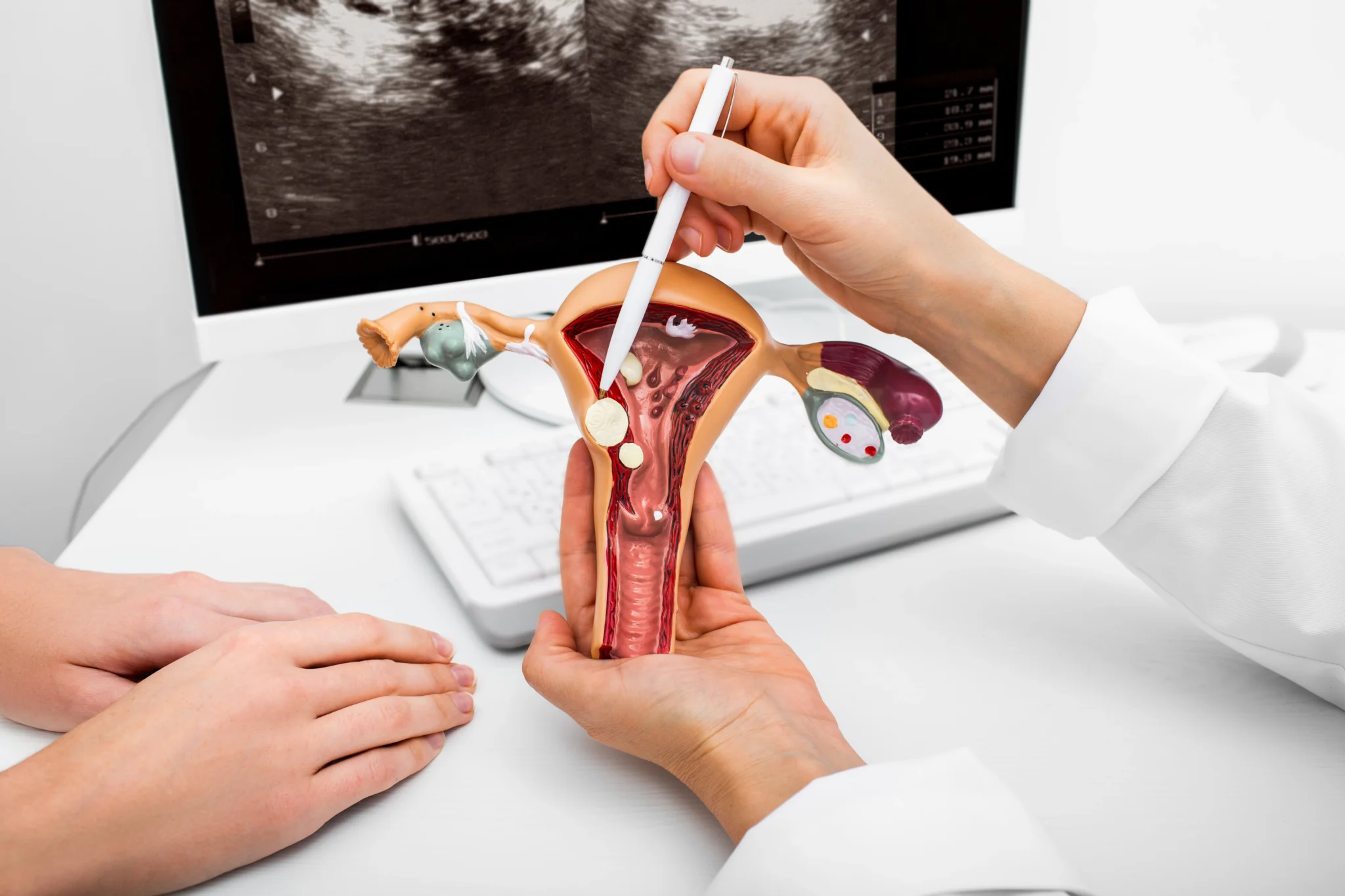
Women’s reproductive health plays an important role in overall well-being. Many gynecological conditions can affect fertility, menstrual cycles, and quality of life. Identifying these conditions early helps ensure proper treatment and better long-term outcomes.
When symptoms such as abnormal bleeding, pelvic pain, or fertility challenges occur, consulting a hysteroscopy doctor in dubai can help determine the underlying cause. Hysteroscopy is a modern diagnostic and treatment procedure that allows doctors to examine the inside of the uterus with precision and accuracy.
This minimally invasive procedure has become an important tool in gynecology because it helps evaluate uterine health without the need for major surgery. Understanding how hysteroscopy works and when it may be recommended can help women make informed decisions about their reproductive health.
What Is Hysteroscopy?
Hysteroscopy is a procedure that allows a gynecologist to look directly inside the uterus using a thin, lighted instrument called a hysteroscope. The device is gently inserted through the cervix into the uterus, providing a clear view of the uterine cavity.
Unlike many traditional surgical methods, hysteroscopy does not usually require large incisions. This makes the procedure less invasive and often allows for quicker recovery.
Hysteroscopy can be used for two main purposes:
- Diagnostic hysteroscopy
- Operative hysteroscopy
Diagnostic hysteroscopy helps identify problems inside the uterus, while operative hysteroscopy allows the doctor to treat certain conditions during the same procedure.
Why Uterine Health Is Important
The uterus plays a central role in a woman’s reproductive system. It supports menstrual health, fertility, pregnancy, and overall gynecological well-being.
Problems within the uterus may lead to:
- Heavy menstrual bleeding
- Irregular periods
- Recurrent miscarriages
- Difficulty conceiving
- Pelvic discomfort
- Postmenopausal bleeding
A detailed evaluation of the uterine cavity can help identify the cause of these symptoms and guide the most suitable treatment plan.
When Is Hysteroscopy Recommended?
A doctor may recommend hysteroscopy for several medical reasons. It is commonly used when other imaging tests require further confirmation or when direct visualization of the uterus is needed.
Common reasons include:
Abnormal Uterine Bleeding
Heavy or irregular menstrual bleeding can affect daily life and may indicate underlying uterine conditions. Hysteroscopy helps determine the source of the problem.
Postmenopausal Bleeding
Any bleeding after menopause should be evaluated carefully. Hysteroscopy allows the doctor to examine the uterine lining and identify possible abnormalities.
Fertility Evaluation
Women who experience infertility may benefit from hysteroscopy. The procedure can detect structural issues that may interfere with conception or implantation.
Recurrent Miscarriages
Repeated pregnancy loss can sometimes be linked to abnormalities inside the uterus. Hysteroscopy helps identify conditions that may contribute to miscarriage.
Suspected Uterine Polyps
Polyps are growths that develop in the uterine lining. They may cause abnormal bleeding and fertility concerns. Hysteroscopy can both diagnose and remove these growths.
Uterine Fibroids
Certain fibroids that grow inside the uterine cavity can cause symptoms and affect fertility. Hysteroscopy helps assess their size and location.
Conditions Diagnosed Through Hysteroscopy
One of the biggest advantages of hysteroscopy is its ability to provide direct visualization of the uterine cavity.
Conditions commonly diagnosed include:
Endometrial Polyps
These are small growths that form in the uterine lining. They are often benign but may cause bleeding or fertility problems.
Submucosal Fibroids
These fibroids grow beneath the uterine lining and can distort the uterine cavity.
Uterine Septum
A uterine septum is a congenital condition in which a wall of tissue divides part of the uterus. It may increase the risk of infertility and miscarriage.
Adhesions (Scar Tissue)
Scar tissue inside the uterus, also known as intrauterine adhesions, can develop after surgery or infection.
Endometrial Hyperplasia
This condition involves thickening of the uterine lining and may require further evaluation and treatment.
Retained Tissue
In some cases, tissue remaining after pregnancy-related events can be identified and treated through hysteroscopy.
How the Procedure Is Performed
Understanding the procedure can help reduce anxiety and prepare patients for what to expect.
Before the Procedure
The doctor reviews the patient’s medical history and symptoms. Certain tests or imaging studies may be performed beforehand.
Patients may receive instructions regarding:
- Eating and drinking
- Medications
- Timing within the menstrual cycle
- Transportation arrangements if sedation is used
During the Procedure
The hysteroscope is gently inserted through the cervix into the uterus. A sterile fluid is used to expand the uterine cavity and improve visibility.
The doctor then carefully examines the uterine lining and surrounding structures.
If an abnormality is detected, treatment may sometimes be performed during the same session.
After the Procedure
Most women can return home on the same day. Mild cramping or light spotting may occur for a short period.
Recovery time varies depending on whether the procedure was diagnostic or operative.
Benefits of Hysteroscopy
Hysteroscopy offers several advantages compared with more invasive surgical procedures.
Accurate Diagnosis
Direct visualization allows the doctor to identify abnormalities that may not be fully visible on imaging studies alone.
Minimally Invasive
The procedure generally does not require large incisions, resulting in less discomfort and faster recovery.
Simultaneous Diagnosis and Treatment
In many cases, diagnosis and treatment can be completed during the same procedure.
Short Recovery Period
Many patients resume normal activities within a short time.
Improved Fertility Outcomes
Correcting uterine abnormalities may improve the chances of successful conception and pregnancy for some women.
Diagnostic Hysteroscopy vs. Operative Hysteroscopy
Although both procedures use a hysteroscope, their purposes differ.
Diagnostic Hysteroscopy
This procedure focuses on evaluating the uterine cavity and identifying abnormalities.
Common uses include:
- Investigating abnormal bleeding
- Evaluating infertility
- Assessing recurrent miscarriages
- Examining abnormal ultrasound findings
Operative Hysteroscopy
This procedure involves treating identified conditions.
Examples include:
- Polyp removal
- Fibroid removal
- Septum correction
- Adhesion removal
- Tissue biopsy
Many women appreciate the ability to have diagnosis and treatment performed in a single session when appropriate.
What to Expect During Recovery
Recovery is usually straightforward for most patients.
Common temporary symptoms include:
- Mild cramping
- Light spotting
- Slight fatigue
- Minor pelvic discomfort
Most symptoms improve within a few days.
Patients should contact their healthcare provider if they experience:
- Heavy bleeding
- Severe pain
- Fever
- Foul-smelling discharge
These symptoms may require medical evaluation.
Is Hysteroscopy Safe?
Hysteroscopy is generally considered a safe procedure when performed by a qualified gynecologist.
As with any medical procedure, there are potential risks, including:
- Infection
- Bleeding
- Uterine injury
- Reactions to anesthesia
However, serious complications are uncommon.
Careful patient evaluation and proper procedural techniques help minimize risks and support safe outcomes.
How Hysteroscopy Supports Fertility Evaluation
Fertility investigations often involve multiple tests. Hysteroscopy provides valuable information because it allows direct examination of the uterine cavity.
The procedure may identify:
- Polyps affecting implantation
- Fibroids interfering with pregnancy
- Adhesions blocking normal uterine function
- Congenital uterine abnormalities
Addressing these issues may improve reproductive outcomes for certain patients.
For women undergoing fertility treatments, hysteroscopy can be an important part of comprehensive reproductive assessment.
Choosing the Right Specialist
Selecting an experienced gynecologist is an important step when considering hysteroscopy.
Factors to consider include:
Experience
A doctor with extensive experience in hysteroscopic procedures can provide accurate evaluation and treatment.
Comprehensive Assessment
A thorough consultation helps determine whether hysteroscopy is the most appropriate option.
Personalized Care
Each patient’s symptoms, medical history, and reproductive goals are unique. Individualized care contributes to better decision-making.
Modern Technology
Advanced equipment can improve visualization and procedural precision.
Frequently Asked Questions
Is hysteroscopy painful?
Most women experience mild discomfort rather than significant pain. The level of discomfort depends on the type of procedure and whether anesthesia is used.
How long does the procedure take?
Many hysteroscopy procedures take between 10 and 30 minutes, although operative procedures may take longer.
Can I return to work afterward?
Many women resume normal activities within a day or two, depending on the procedure performed.
Does hysteroscopy affect fertility?
In many cases, hysteroscopy helps identify and treat conditions that may negatively affect fertility.
Is hospitalization required?
Most hysteroscopy procedures are performed on an outpatient basis, allowing patients to return home the same day.
Conclusion
Uterine health plays a vital role in a woman’s reproductive and overall well-being. Conditions such as abnormal bleeding, uterine polyps, fibroids, adhesions, and fertility-related concerns often require detailed evaluation to determine the best course of action. Consulting a hysteroscopy doctor in Dubai can provide valuable insight into the condition of the uterine cavity through a minimally invasive and highly effective procedure.
Hysteroscopy offers accurate diagnosis, targeted treatment, and a relatively quick recovery, making it an important tool in modern gynecology. For women seeking professional evaluation of uterine health concerns, consulting an experienced specialist such as Dr. Neha Lalla can help ensure a comprehensive assessment and personalized care plan tailored to individual needs.