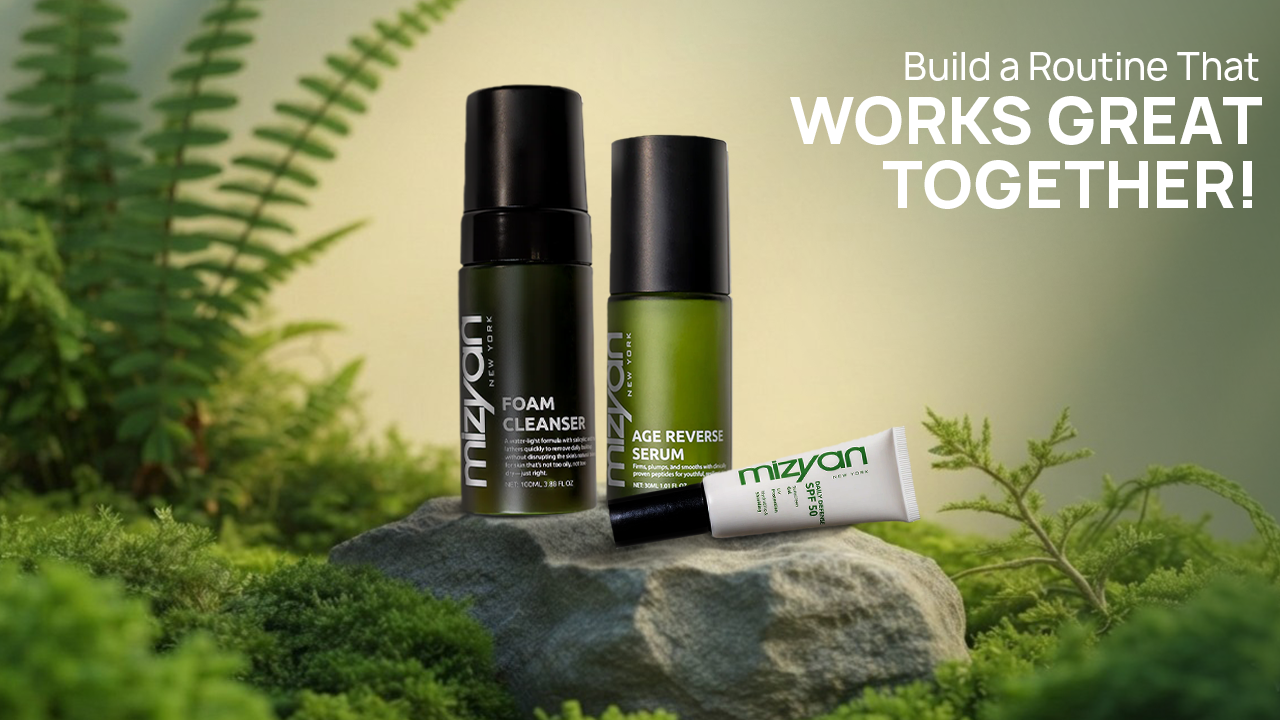
Foam cleansers, hydrating face wash options, gel cleansers; skincare marketing throws all of them at you simultaneously, each one claiming to be the best face wash for every skin type that exists. The foam cleanser specifically gets positioned as a universal solution, which it is not. Whether it works well for your skin depends entirely on what is in the formula, not the format itself.
Here is what actually determines whether a foam cleanser is helping or hurting your skin.
What Makes a Foam Cleanser Work; or Not
The foam comes from surfactants. These are the cleansing agents responsible for lifting oil, pollution, dead skin cells, and product residue off the skin surface so water can rinse them away. Water on its own does not remove oil effectively; you need surfactants for that.
The issue is not surfactants themselves. It is that they are not all built the same. Mild surfactants target excess oil and buildup without disturbing the skin’s natural moisture layer or lipid barrier. Aggressive surfactants remove everything, including the oils and barrier components the skin actually needs. Sodium Lauryl Sulphate, SLS, is the most common aggressive surfactant in most face wash products. It creates satisfying foam, it works fast, and it consistently over-strips skin in a way that takes hours to recover from.
That tight, dry, uncomfortable feeling right after washing- the one most people have been told means the face is clean- is a stripped barrier, not clean skin. The rest of the routine is now spending its energy compensating for what the cleanser removed rather than building on properly balanced skin.
A well-made foam cleanser uses milder surfactants. Less dramatic lather, same cleansing result, no collateral damage to the barrier underneath.
Oily Skin
Oily skin and foam cleansers have a complicated history. The logic seems sound; more oil means you need more cleansing power, and a foaming face cleanser with strong lather feels like it is doing more. The squeaky sensation after rinsing, the temporary matte look; these feel like confirmation that something is working.
Then midday arrives, and the skin is oilier than it was before washing. This is the sebum rebound response. When the barrier gets stripped, the skin interprets this as an emergency and increases oil production to compensate. The cleanser that felt like it was solving oiliness is actively making it worse by triggering more sebum production throughout the day.
The best face wash for oily skin removes excess oil and daily buildup without this rebound. A mild foam cleanser that clears the surface and rinses clean, leaving skin that feels genuinely clean rather than tight and dry, is the right call. If your current cleanser for oily skin produces that tight post-wash feeling, it is working against the problem you are trying to manage, not with it.
Dry and Sensitive Skin
This is where the foam cleanser conversation gets more complicated. Both the best face wash for sensitive skin and the best cleanser for dry skin can be foam formats, but the formula tolerance is much lower than for oily or combination skin.
Dry skin already has less lipid content in its barrier. A foaming facial cleanser with strong surfactants strips what little is there and leaves the barrier depleted before the routine has even started. Serums and moisturisers applied after are then working on barrier repair rather than addressing the skin concerns they were chosen for.
For dry skin, a hydrating face wash in a gentle foam format is the answer; not avoiding foam entirely. The surfactants need to be mild enough to cleanse without removing what should stay, and the formula needs hydrating and barrier-supporting ingredients built in to compensate for the minimal moisture loss that even a careful cleanse causes.
Sensitive skin follows the same logic. The best facial cleanser for sensitive skin leaves skin in the same condition it found it, minus the buildup. No redness after rinsing. No stinging. No tightness that requires immediate moisturisation to fix. If the skin is reacting after cleansing, the cleanser is not right for that skin type; regardless of what it says on the packaging.
Combination Skin
Combination skin usually handles a gentle foam cleanser better than any other type because the cleansing action addresses the oily zones without stripping the drier patches. The requirement is still the same: mild surfactants, no SLS as the primary cleansing agent, no tight post-rinse feeling. Gentle foam works. Aggressive foam creates the same rebound problem it creates on fully oily skin, just concentrated in specific zones.
Where Mizyan NY’s Cleanser Comes In
Mizyan NY’s foam cleanser is formulated around mild surfactants rather than SLS, which is what allows it to work across skin types without the over-stripping that most aggressive face washes cause. As a best cleanser for oily skin, it removes what it should: excess oil, daily buildup, sunscreen, without the sebum rebound response that heavier formulas trigger.
Niacinamide in the formula supports barrier function during the cleanse itself rather than only afterward. Centella Asiatica Extract keeps the skin calm through a step that could otherwise cause inflammation in reactive skin types. As a hydrating face wash it leaves the skin balanced after rinsing; clean without being uncomfortable, ready for the serum or toner step rather than needing recovery time first.
For oily skin, real oil removal without the tightness. For sensitive skin, mild surfactants and no heavy fragrance make twice-daily use irritating over time. For combination skin, the cleansing action where it is needed without stripping the areas that do not need it. Best cleanser for dry skin looking for a gentle foam option; the formula’s approach to surfactant concentration means the barrier is not left worse off after washing than before.
The Direct Answer
Is a foam cleanser good for your skin type? If the surfactants are mild, the formula has barrier-supporting ingredients, and skin feels clean rather than stripped after rinsing; yes, for most skin types, twice daily.
If the cleanser relies on SLS as its primary surfactant, leaves skin tight, and requires immediate moisturisation just to get back to baseline, no, regardless of what skin type is using it.
The format is not the problem. The formula is the whole conversation. Check the ingredient list before the marketing claims, find the mild-surfactant version of the foam cleanser for your skin type, and the format itself is not working against you.