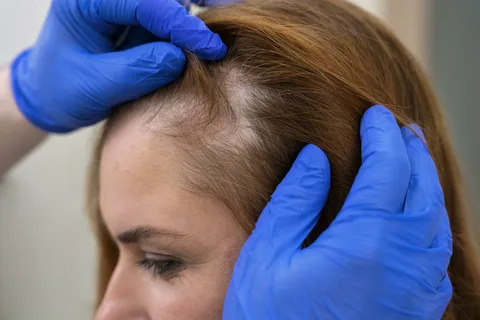
Hair loss from autoimmune conditions often affects more than appearance, as it gradually influences how individuals see themselves in daily life. Many people experience emotional stress, social hesitation, and reduced self-esteem when sudden patches of hair loss appear without warning. In recent years, awareness and advanced care options have made it easier for individuals to seek support and regain control over their image and identity. Among the most discussed topics today is Alopecia Areata Treatment In Islamabad, which is helping many individuals rebuild their confidence through improved understanding and modern approaches that focus on both appearance and emotional well-being.
What makes this condition especially challenging is its unpredictability, but increasing awareness and timely care are changing how people respond to it. Instead of hiding or feeling isolated, more individuals are now exploring supportive solutions that address the condition in a practical and confidence-focused way.
Understanding the Emotional Impact of Hair Loss
Hair is closely tied to identity, culture, and personal expression, which is why sudden hair loss can feel overwhelming. People dealing with alopecia often report feelings of embarrassment, anxiety, or reluctance to engage in social activities. This emotional burden can sometimes become heavier than the physical condition itself.
However, with better awareness and access to supportive care, individuals are learning that hair loss does not define their worth or personality. Communities and information resources are also playing a role in reducing stigma, encouraging people to seek help earlier rather than hiding their condition for long periods.
Growing Awareness and Early Response Benefits
One of the most positive developments in recent years is the increased awareness of autoimmune-related hair loss. People are now more informed about early signs such as patchy hair loss, sudden thinning, or small bald areas appearing on the scalp or eyebrows.
Early response allows individuals to take proactive steps instead of waiting for the condition to progress. This shift in mindset is especially important because timely attention can improve emotional comfort and help individuals feel more in control of their situation. As awareness grows, more people are openly discussing their experiences and seeking guidance that aligns with their lifestyle and comfort.
Modern Approaches Focused on Confidence Restoration
The primary goal of modern care is not only addressing visible symptoms but also supporting emotional recovery. Today, people are encouraged to explore options that help them feel comfortable in social and professional environments while managing the condition effectively.
A key factor in this transformation is the focus on personalized care approaches that consider individual needs rather than a one-size-fits-all method. This allows people to choose supportive pathways that align with their expectations and daily routines.
Through improved education and accessibility, individuals are discovering that regaining confidence is just as important as addressing physical symptoms. This holistic approach has changed how many view hair loss, shifting it from a purely aesthetic issue to a manageable condition with emotional and psychological support.
Psychological Renewal and Social Confidence
One of the most powerful outcomes of improved awareness is psychological renewal. People who once avoided social gatherings or professional interactions are now finding ways to rebuild their confidence step by step. This transformation often begins with acceptance and gradually develops into active participation in everyday life.
Support from family, friends, and community awareness plays a vital role in this journey. When individuals feel understood and supported, they are more likely to take positive steps toward improving their self-image. Over time, this leads to improved self-esteem and a more balanced emotional state.
Lifestyle Awareness and Self-Care Practices
Alongside professional guidance, lifestyle awareness has become an important part of managing hair-related concerns. A balanced routine, stress management, and proper self-care habits contribute to overall well-being and help individuals feel more in control of their condition.
People are increasingly focusing on healthy routines that support both mental and physical wellness. This includes maintaining consistent sleep patterns, managing emotional stress, and adopting positive habits that promote self-confidence. While these practices do not define a cure, they significantly enhance the quality of life and emotional strength of individuals dealing with hair loss.
Changing Perception of Hair Loss in Society
Societal perception has also started to shift, with more openness and understanding toward individuals experiencing hair loss. Instead of judgment, there is growing empathy and awareness that health conditions can affect anyone at any stage of life.
This change in perspective is helping reduce stigma and encouraging more people to seek support without fear of being judged. As conversations become more open, individuals feel less isolated and more empowered to take steps toward emotional recovery and self-acceptance.
Regaining Confidence Through Awareness and Support
Confidence restoration is a gradual process that involves emotional healing, self-acceptance, and access to reliable information. People are now realizing that they are not alone in their journey, and support systems are available to help them navigate this experience with dignity.
By focusing on awareness, education, and emotional strength, individuals are finding new ways to embrace their identity and move forward with confidence. The journey is not just about appearance but about rebuilding inner strength and resilience.
In this evolving landscape of awareness and care, Alopecia Areata Treatment In Islamabad continues to represent a growing movement toward better understanding, emotional support, and confidence restoration for those affected by hair loss.
FAQs
What is alopecia areata and why does it occur?
It is a condition where the immune system affects hair follicles, leading to patchy hair loss. The exact cause is linked to autoimmune activity.
Can emotional stress worsen hair loss conditions?
Yes, stress can sometimes influence hair health and may contribute to worsening symptoms in some individuals.
Is hair loss from alopecia permanent?
In many cases, hair may regrow over time, but the condition can vary from person to person.
How does awareness help individuals dealing with hair loss?
Awareness reduces stigma, encourages early response, and helps individuals seek emotional and practical support sooner.
Why is confidence affected by hair loss?
Hair plays a strong role in self-image, so sudden changes can impact self-esteem and social comfort.