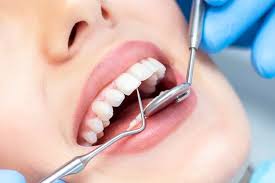
A toothache can turn an ordinary day into a stressful experience. The discomfort may start as a mild sensitivity and gradually become a sharp, persistent pain that affects eating, sleeping, and even concentrating. When a tooth becomes severely infected or damaged, many people wonder whether extraction is the only solution. Fortunately, root canal treatment in Scarborough is often an effective way to save a natural tooth and restore oral health.
Understanding how this treatment works can help reduce anxiety and make it easier to make informed decisions about dental care.
What Is a Root Canal Treatment?
A root canal is a dental procedure designed to remove infected or damaged tissue from inside a tooth. Deep within every tooth is a soft area called the pulp, which contains nerves and blood vessels. When this pulp becomes infected due to decay, cracks, trauma, or repeated dental procedures, it can cause significant pain and lead to serious oral health problems.
During root canal treatment in Scarborough, the infected pulp is carefully removed, the inside of the tooth is cleaned and disinfected, and the space is sealed to prevent future infection. In many cases, a dental crown is placed on the treated tooth to strengthen and protect it.
Signs You May Need a Root Canal
Not every toothache requires a root canal, but certain symptoms may indicate that the inner pulp has become infected.
Some common warning signs include:
- Persistent tooth pain
- Sensitivity to hot or cold temperatures
- Swollen or tender gums
- Tooth discoloration
- Pain when chewing or biting
- A recurring pimple-like bump on the gums
- Facial swelling near the affected tooth
If you experience any of these symptoms, seeking professional evaluation as soon as possible can prevent the infection from spreading and causing further complications.
Why Saving a Natural Tooth Matters
One of the biggest advantages of root canal treatment in Scarborough is that it allows patients to keep their natural teeth.
Natural teeth provide several important benefits:
- Better chewing efficiency
- Natural appearance
- Preservation of jawbone structure
- Prevention of shifting teeth
- Improved comfort compared to tooth replacement options
While modern dental implants and bridges are excellent solutions when necessary, preserving a healthy natural tooth is often the preferred option whenever possible.
The Root Canal Process Explained
Many people associate root canals with discomfort, but advances in modern dentistry have made the procedure much more comfortable than in the past.
The process typically involves several steps:
Examination and Diagnosis
The dentist examines the affected tooth and may take X-rays to determine the extent of the infection and evaluate the surrounding structures.
Local Anesthesia
The treatment area is numbed to ensure patient comfort throughout the procedure.
Removal of Infected Tissue
A small opening is created in the tooth, allowing the dentist to remove the infected pulp from the root canals.
Cleaning and Disinfection
The canals are thoroughly cleaned and shaped to eliminate bacteria and prepare the space for sealing.
Filling and Sealing
A special filling material is used to seal the cleaned canals and prevent reinfection.
Restoration
Depending on the condition of the tooth, a crown or other restoration may be placed to restore strength and function.
Most patients are surprised to discover that the procedure feels similar to receiving a routine filling.
Common Myths About Root Canals
Despite being a widely performed dental treatment, root canals are surrounded by misconceptions.
Myth 1: Root Canals Are Extremely Painful
Modern techniques and anesthetics make root canal treatment far more comfortable than many people expect. In fact, the procedure is designed to relieve pain caused by infection.
Myth 2: Tooth Extraction Is Always Better
Removing a tooth may seem like a simpler option, but extraction can create additional challenges, including shifting teeth, bone loss, and the need for replacement treatments.
Myth 3: Root Canals Cause Illness
There is no scientific evidence supporting the outdated claim that root canal treatments cause disease elsewhere in the body. Modern dental procedures are safe and highly effective.
Recovery After Treatment
Recovery following root canal treatment in Scarborough is generally straightforward.
Some patients experience mild tenderness or sensitivity for a few days after the procedure. This discomfort is usually manageable with over-the-counter pain relief and tends to improve quickly.
To support healing, patients should:
- Follow post-treatment instructions carefully
- Avoid chewing on the treated tooth until fully restored
- Maintain good oral hygiene habits
- Attend recommended follow-up appointments
Once the final restoration is placed, the treated tooth can function much like any other natural tooth.
How Long Does a Root Canal Last?
With proper care, a root canal-treated tooth can last for many years and often for a lifetime.
The longevity of the treatment depends on factors such as:
- Quality of the restoration
- Daily oral hygiene practices
- Regular dental checkups
- Avoiding habits like teeth grinding or chewing hard objects
Brushing twice daily, flossing regularly, and attending routine dental visits can significantly improve long-term success.
Preventing Future Dental Infections
While root canal treatment in Scarborough can save a damaged tooth, prevention remains the best strategy for maintaining oral health.
Helpful preventive measures include:
- Brushing with fluoride toothpaste
- Flossing every day
- Limiting sugary foods and drinks
- Wearing a mouthguard during sports
- Seeking prompt treatment for cavities
- Scheduling regular dental examinations
Early detection of dental problems can often prevent the need for more extensive procedures later.
Final Thoughts
Dental infections rarely improve on their own, and delaying treatment can lead to worsening pain and more complicated oral health issues. Root canal treatment in Scarborough offers a reliable solution for preserving natural teeth while eliminating infection and restoring comfort.
By addressing the problem at its source, this treatment helps patients maintain healthy smiles, protect surrounding teeth, and avoid unnecessary extractions. Understanding the process and benefits can make the experience less intimidating and encourage timely care when dental problems arise.
When performed promptly and followed by good oral hygiene habits, a root canal can be an investment in both oral health and long-term confidence.