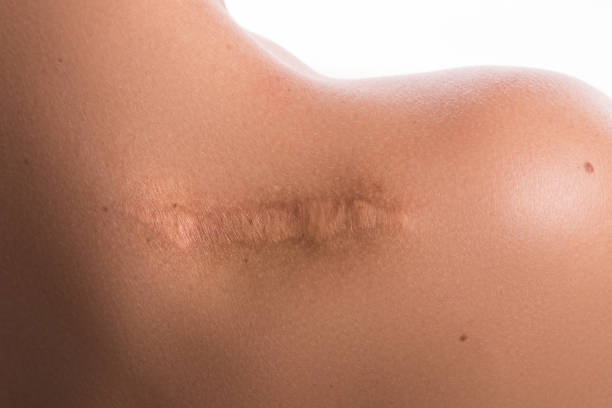
Burn injuries can damage deeper layers of the skin and trigger an overactive healing response, leading to keloid formation in some individuals. Burn-related keloids are often thick, irregular, and more challenging to manage because the surrounding skin may also be sensitive or scarred. Keloid Treatment in Riyadh for burn patients focuses on careful, staged therapy that reduces scar thickness while improving skin function and appearance.
- Burn injuries can trigger excessive scar formation
- Keloids after burns are often thick and complex
- Treatment must be gentle and staged
- Focus is on function, comfort, and appearance
Burn keloids may develop weeks or months after the injury has healed, and they can continue to grow if not managed early. In many clinical approaches, Keloid Treatment in Riyadh combines multiple therapies to control collagen activity and prevent long-term complications.
- Keloids may appear after full wound healing
- Early treatment improves outcomes
- Combination therapy is often required
- Long-term monitoring is essential
Why Burns Cause Keloids
Deep Skin Injury and Overhealing
Burns damage the skin more extensively than minor cuts or scratches, which can trigger an intense healing response. The body produces extra collagen to repair the injury, sometimes leading to keloid formation.
- Deep tissue damage activates strong healing response
- Excess collagen leads to raised scars
- Skin inflammation remains active longer
- Higher risk compared to minor injuries
Challenges in Treating Burn-Related Keloids
Sensitive and Compromised Skin
Burn-affected skin is often more fragile, making treatment more complex and requiring careful selection of therapies.
- Increased skin sensitivity
- Irregular scar formation patterns
- Higher risk of recurrence
- Requires gradual treatment approach
In advanced dermatology care, Keloid Treatment in Riyadh is carefully tailored for burn patients to ensure safety while improving scar appearance.
First-Line Treatments for Burn Keloids
Non-Surgical Management
Early-stage burn keloids are often treated with non-invasive methods to reduce inflammation and control scar growth.
- Silicone gel sheets for hydration and flattening
- Steroid injections to reduce thickness
- Pressure therapy for scar control
- Topical soothing treatments
Steroid Injections for Burn Scars
Controlling Excess Collagen
Steroid injections are commonly used to soften and flatten burn keloids over time.
- Reduces inflammation and swelling
- Slows collagen overproduction
- Improves scar softness
- Requires multiple sessions
Silicone-Based Treatments
Supporting Scar Softening
Silicone sheets and gels are widely used in burn scar management due to their gentle and protective effects.
- Maintains moisture balance
- Reduces redness and hardness
- Helps flatten raised tissue
- Safe for long-term use
Pressure Therapy for Burn Keloids
Preventing Scar Thickening
Pressure garments are especially useful after burn healing to prevent keloid development or progression.
- Applies controlled compression
- Reduces blood flow to scar tissue
- Prevents excessive collagen buildup
- Used for long-term management
In many treatment plans, Keloid Treatment in Riyadh includes pressure therapy as a key preventive strategy for burn-related scars.
Laser Therapy for Burn Scars
Improving Texture and Color
Laser treatment helps improve the appearance of burn keloids by targeting redness and uneven skin texture.
- Reduces scar redness
- Improves skin smoothness
- Enhances cosmetic appearance
- Minimally invasive option
Combination Therapy for Better Results
Multi-Step Treatment Approach
Burn keloids often respond best to a combination of treatments rather than a single method.
- Steroids + silicone therapy
- Laser + pressure therapy
- Injection + maintenance care
- Reduces recurrence risk
Surgical Options for Severe Cases
Carefully Planned Excision
Surgery may be considered for large or resistant burn keloids, but it must be combined with preventive therapies.
- Removes thick scar tissue
- Improves skin flexibility
- Requires follow-up treatments
- Risk of recurrence if unmanaged
Healing Timeline for Burn Keloids
Gradual Recovery Process
Treatment results for burn-related keloids take time and occur in stages.
- Early reduction in inflammation
- Gradual flattening over months
- Long-term maintenance needed
- Continuous improvement over time
Preventing Burn Keloids
Early Care is Critical
Proper wound care after a burn can significantly reduce the risk of keloid formation.
- Immediate burn treatment
- Infection prevention
- Proper wound dressing
- Early dermatology consultation
Long-Term Management
Ongoing Skin Care
Even after improvement, burn keloids require continued care to prevent recurrence.
- Regular follow-ups
- Maintenance therapy if needed
- Skin protection routines
- Monitoring scar changes
Book Your Appointment
If you are dealing with keloid scars after a burn injury, early and specialized treatment can significantly improve outcomes and reduce long-term complications. At Royal Clinic Saudia, expert dermatology care is available with advanced combination therapies designed specifically for burn-related scar management.
FAQs:
Why do burns cause keloids?
Burns damage deeper skin layers, triggering an overactive healing response that produces excess collagen.
What is the best treatment for burn keloids?
Combination therapy including steroid injections, silicone sheets, and pressure therapy is most effective.
Can burn keloids be completely removed?
They can be significantly improved, but complete removal is difficult and recurrence is possible.
How long does treatment take for burn keloids?
Treatment is gradual and may take several months depending on severity and response.