Lipedema is a chronic fat distribution disorder that mainly affects women and leads to abnormal fat buildup in the legs and sometimes arms. It is often misunderstood and frequently misdiagnosed as simple weight gain or obesity, especially in early stages. Awareness about Lipedema in Riyadh is increasing as more individuals learn how important early recognition is for better long-term outcomes.
Early identification of Lipedema in Riyadh plays a key role in slowing progression, reducing discomfort, and avoiding years of ineffective dieting and frustration.
- Chronic progressive fat disorder
- Often misdiagnosed in early stages
- Causes pain, swelling, and heaviness
- Requires timely recognition and care
What Makes Early Detection Difficult
Lipedema often develops slowly, making it difficult to notice in the beginning. Many people assume it is normal weight gain.
Common Challenges
- Gradual changes in body shape
- Lack of awareness among patients
- Misdiagnosis as obesity
- Overlapping symptoms with other conditions
These factors delay proper diagnosis.
Early Signs of Lipedema
Recognizing early symptoms is essential for timely intervention.
Key Early Indicators
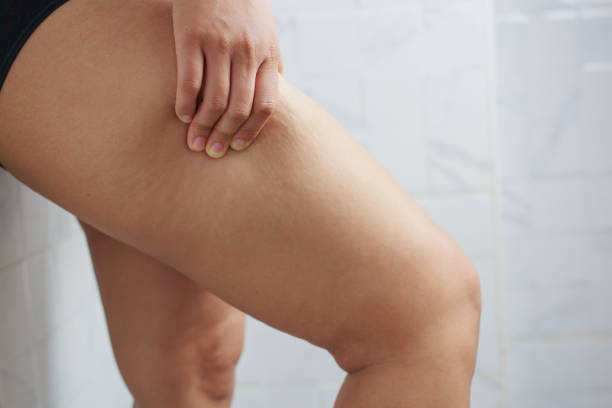
- Symmetrical fat buildup in legs or thighs
- Pain or tenderness in affected areas
- Easy bruising without injury
- Legs that feel heavy or tired
These signs should not be ignored.
Why Early Detection Changes Outcomes
Detecting lipedema early can significantly improve long-term management and quality of life.
Benefits of Early Diagnosis
- Slower disease progression
- Better symptom control
- Reduced physical discomfort
- Improved mobility over time
Early care helps prevent advanced complications.
Preventing Misdiagnosis
One of the biggest issues with lipedema is confusion with other conditions like obesity or lymphedema.
Common Misdiagnosis Problems
- Treating it only with dieting
- Ignoring pain symptoms
- Overlooking fat distribution patterns
- Delayed specialist referral
Awareness of Lipedema in Riyadh helps reduce these errors.
Emotional Impact of Late Diagnosis
Delayed recognition can affect emotional well-being and mental health.
Emotional Challenges
- Frustration with failed weight loss
- Body image concerns
- Anxiety and stress
- Loss of confidence
Early diagnosis helps reduce emotional burden.
Role of Education and Awareness
Public and medical awareness plays a major role in improving early detection rates.
Awareness Benefits
- Better understanding of symptoms
- Faster referral to specialists
- Improved patient confidence
- Reduced stigma around body changes
Education is key to early intervention.
Early Management Options
Even in early stages, supportive care can help manage symptoms and slow progression.
Common Approaches
- Compression therapy
- Gentle exercise routines
- Anti-inflammatory diet
- Manual lymphatic drainage
These help control discomfort and swelling.
Importance of Monitoring Progression
Regular observation of symptoms helps track changes and adjust treatment plans early.
What to Monitor
- Changes in leg size or shape
- Increasing pain or tenderness
- Mobility limitations
- Swelling patterns
Early monitoring supports better outcomes.
When to Seek Medical Advice
If symptoms persist or worsen despite lifestyle changes, professional evaluation is necessary. Awareness of Lipedema in Riyadh encourages individuals to seek timely diagnosis instead of delaying care.
Book an Appointment
If you notice persistent fat accumulation in the legs, pain, or swelling that does not improve with diet or exercise, early evaluation is important. You can book a consultation at Royal Clinic Saudia, where expert assessment and personalized care plans are provided to support early detection and effective management of lipedema.
FAQs:
Why is early detection of lipedema important?
Early detection helps slow progression, reduce symptoms, and improve long-term quality of life.
What are the first signs of lipedema?
Early signs include symmetrical leg fat, pain, tenderness, and easy bruising.
Can lipedema be cured if detected early?
There is no complete cure, but early detection helps manage symptoms more effectively.
Why is lipedema often misdiagnosed?
Because it looks similar to obesity and is not widely recognized in early stages.