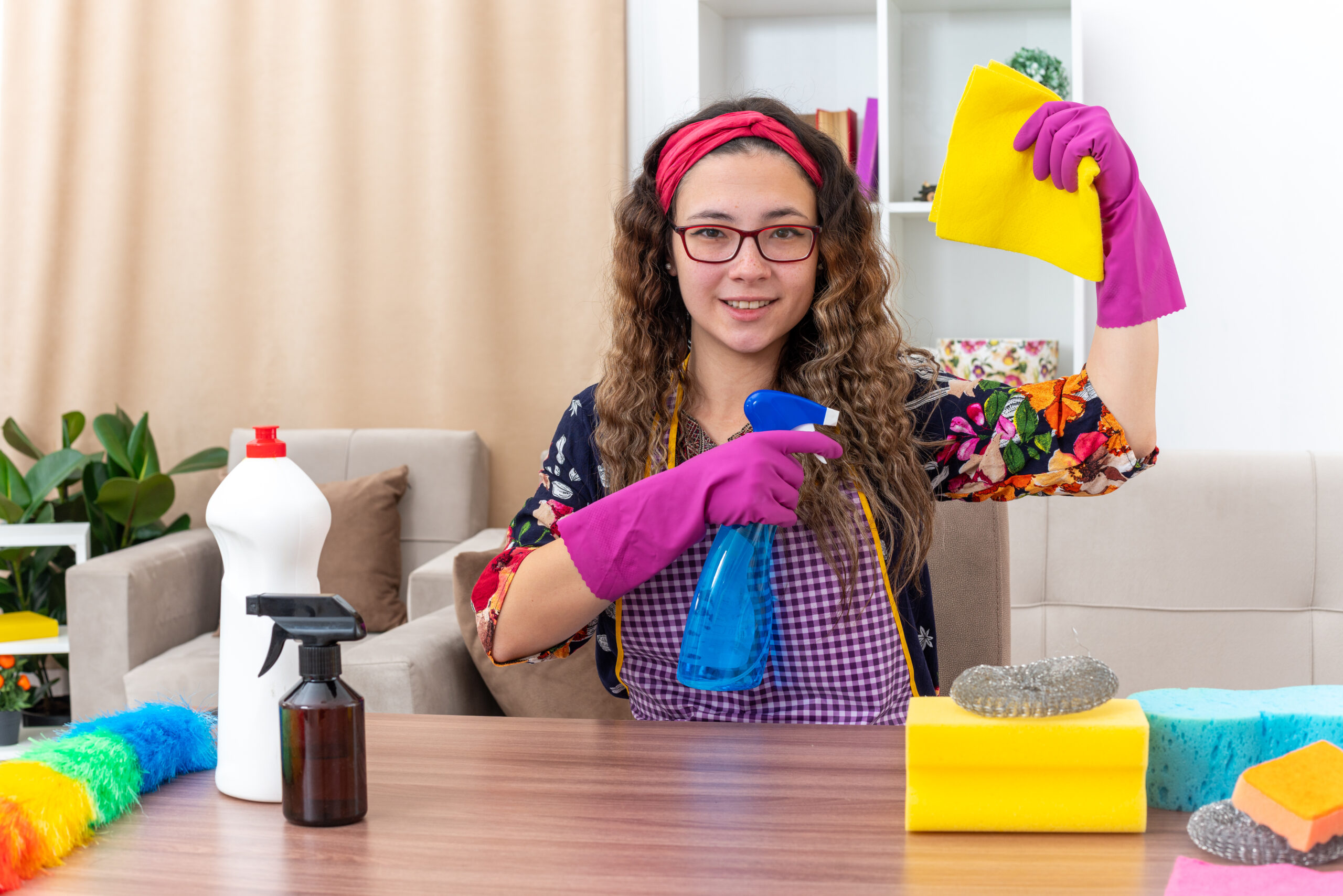
A clean house does more than look nice. It helps you feel calm, sleep better, and enjoy your space every day. Dust, dirt, and clutter can build up fast. That is why simple daily habits make a big difference. You do not need expensive tools or a perfect routine. Small steps can keep your home fresh and comfortable.
Many people try to handle every task alone. Others prefer getting help from home cleaners when life gets busy. Both options work well. The best choice depends on your schedule, budget, and household needs. The goal is always the same. You want a clean, healthy place where everyone feels safe and relaxed.
A healthy home also protects your family. Clean surfaces reduce germs. Fresh air helps you breathe better. Regular care keeps pests away and helps furniture last longer. These simple habits save time and money over the years.
Start with a Simple Cleaning Routine
Keeping your home clean becomes much easier with a plan. You do not have to clean everything in one day. Break tasks into small jobs. This makes the work feel lighter and easier to finish.
Some people also choose a residential cleaning service for deep cleaning or regular support. This can be helpful during busy weeks or after special events.
Clean One Room at a Time
Trying to clean the whole house at once feels overwhelming. Focus on one room before moving to the next. This keeps you motivated because you can quickly see your progress.
Start with the areas you use most. The kitchen and bathroom often need the most attention. Bedrooms and living rooms can follow later.
Create a Weekly Schedule
A simple schedule keeps chores under control.
You can try this plan:
- Monday for dusting.
- Tuesday for vacuuming.
- Wednesday for bathrooms.
- Thursday for kitchen care.
- Friday for laundry.
- Saturday for deep cleaning.
- Sunday for rest or small touch ups.
A routine helps cleaning become a normal habit instead of a stressful task.
Keep Clutter Under Control
A messy house often feels dirty even when it is clean. Too many items collect dust and make cleaning harder.
Put Things Back Right Away
Return items after using them.
This simple habit saves time later.
Shoes belong on a rack.
Books belong on shelves.
Toys belong in bins.
Small actions prevent large messes.
Remove Items You No Longer Need
Look around your home every few months.
Donate clothes you no longer wear.
Recycle old papers.
Throw away broken items.
Less clutter means less cleaning.
Focus on the Kitchen Every Day
The kitchen is one of the busiest places in any home. It also collects germs quickly.
Wipe Surfaces After Cooking
Food spills attract insects and bacteria.
Use a clean cloth with a gentle cleaner.
Wipe counters, tables, and handles after each meal.
This takes only a few minutes.
Wash Dishes Quickly
Leaving dishes overnight creates odors.
It also attracts bugs.
Wash them after every meal if possible.
If you use a dishwasher, run it before bedtime.
Empty the Trash Often
Kitchen trash fills up fast.
Take it outside before it overflows.
Clean the trash can once in a while to remove smells.
Keep Bathrooms Fresh
Bathrooms stay healthy with regular care.
Moisture creates mold if ignored.
Clean High Touch Areas
Pay extra attention to:
- Sink handles.
- Toilet flush handles.
- Door knobs.
- Light switches.
These areas collect germs every day.
Let Fresh Air In
Open a window after showers if possible.
Use an exhaust fan to remove moisture.
Dry air helps stop mold growth.
Replace Towels Often
Wet towels hold bacteria.
Wash bath towels every few days.
Hand towels should be changed even more often.
Pay Attention to Floors
Floors collect dust, dirt, and pet hair every day.
Vacuum Regularly
Vacuum carpets once or twice each week.
Busy homes may need more frequent cleaning.
Move furniture sometimes to remove hidden dust.
Mop Hard Floors
Use warm water and the right cleaner.
Do not leave floors too wet.
Dry floors stay cleaner and safer.
Improve Indoor Air Quality
Clean air helps everyone breathe better.
It also reduces allergies.
Change Air Filters
Replace filters as recommended.
Dirty filters spread dust through your home.
Fresh filters improve airflow.
Open Windows
Fresh outdoor air removes stale smells.
Even a few minutes each day helps.
Choose times when outdoor air quality is good.
Dust the Right Way
Use a damp cloth.
Dry dusters often move dust into the air.
Start with high shelves.
Work your way down.
Keep Bedrooms Comfortable
A clean bedroom supports better sleep.
It also creates a peaceful space.
Wash Bedding Often
Sheets collect sweat and dust.
Wash them every week.
Pillowcases should also stay clean.
Fresh bedding feels better and supports good health.
Vacuum Under the Bed
Dust hides in places you rarely see.
Clean under the bed every few weeks.
This also helps reduce allergens.
Do Small Tasks Every Day
Tiny jobs stop big messes from growing.
Spend Ten Minutes Cleaning
Set a timer.
Pick one small task.
Wipe a counter.
Fold blankets.
Put away shoes.
These quick jobs keep your home tidy.
Clean as You Go
Finish small tasks right after making a mess.
Wash a bowl after breakfast.
Wipe the sink after brushing your teeth.
These habits save hours later.
Choose Safe Cleaning Products
Not every cleaner is the same.
Read labels before buying.
Avoid Mixing Chemicals
Some products create harmful fumes.
Never mix bleach with ammonia.
Follow product directions carefully.
Store Products Safely
Keep cleaning supplies away from children and pets.
Close bottles tightly after use.
Store them in a cool, dry place.
Cleaning with Kids and Pets
Children and pets bring happiness.
They also create extra mess.
That is normal.
Teach Simple Habits
Children can help.
Ask them to:
- Put toys away.
- Place clothes in baskets.
- Wipe small spills.
- Make their beds.
Small jobs teach responsibility.
Groom Pets Regularly
Brush pets often.
This reduces loose hair around your house.
Clean food bowls daily.
Wash pet bedding often.
Seasonal Deep Cleaning
Daily care is important.
Deep cleaning is also necessary.
Spring Cleaning Ideas
Wash windows.
Clean behind furniture.
Dust ceiling fans.
Wash curtains.
These tasks refresh your entire home.
Prepare for Winter
Check heating vents.
Clean entry mats.
Store summer items.
This keeps your home organized.
Why Consistency Matters
Cleaning does not need to be perfect.
It only needs to be regular.
Small efforts each day prevent large problems.
A consistent routine also reduces stress.
Your home feels welcoming.
Guests feel comfortable.
Your family enjoys a healthier space.
Most importantly, you spend less time catching up on chores.
Final Thoughts
A cleaner home starts with simple habits. You do not need to clean every corner every day. Focus on steady progress instead of perfection. Wipe surfaces often. Keep clutter under control. Wash bedding regularly. Let fresh air inside whenever possible. These small actions build a healthier living space over time.
Every family has different needs. Create a routine that fits your lifestyle. Stay flexible when life gets busy. Even a few minutes of cleaning each day can make a big difference. A fresh, organized home supports better health, lowers stress, and creates a place where everyone feels happy to spend time.
Frequently Asked Questions
How often should I clean my house?
Light cleaning each day works well. Deep cleaning once each week helps keep your home healthy.
What is the easiest way to stay organized?
Put items back after using them. This simple habit prevents clutter from growing.
How can I reduce dust inside my home?
Vacuum often, dust with a damp cloth, wash bedding weekly, and replace air filters regularly.
Is deep cleaning necessary?
Yes. Deep cleaning removes dirt from areas that daily cleaning often misses.
What should I clean first?
Start with the kitchen and bathroom. These areas collect the most germs and need regular attention.
How can I make cleaning feel easier?
Break large jobs into small tasks. Follow a simple weekly schedule and clean a little every day.