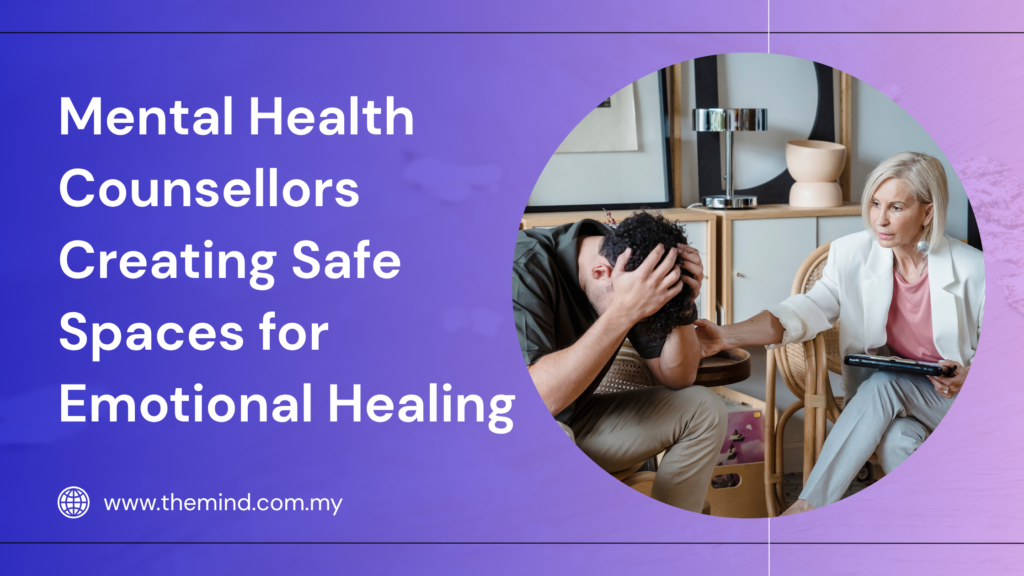
In today’s fast-paced world, emotional challenges have become increasingly common. Work-related stress, relationship difficulties, financial pressures, academic demands, and personal struggles can significantly affect mental wellbeing. While many people attempt to manage these challenges alone, professional support can make a meaningful difference. This is where mental health counsellors play a vital role.
Mental health counsellors provide a safe, supportive, and confidential environment where individuals can explore their emotions, understand their experiences, and begin the journey toward healing. Their work goes beyond simply listening—they help people develop healthier coping mechanisms, gain self-awareness, and build resilience for life’s challenges.
The Importance of a Safe Space
A safe space is an environment where individuals feel accepted, respected, and free from judgment. Many people struggling with emotional difficulties hesitate to share their feelings due to fear of criticism, stigma, or misunderstanding.
Mental health counsellors create an atmosphere of trust by:
Maintaining confidentiality
Offering non-judgmental support
Encouraging open communication
Providing empathy and understanding
Respecting individual experiences and perspectives
This sense of safety allows clients to express thoughts and emotions that they may have never shared before, making emotional healing possible.
Understanding Emotional Healing
Emotional healing is the process of recovering from psychological distress, trauma, grief, anxiety, stress, or other emotional challenges. Healing does not necessarily mean forgetting painful experiences. Instead, it involves learning how to process emotions, gain perspective, and move forward in a healthier way.
Mental health counsellors guide individuals through this process by helping them:
Identify emotional triggers
Understand behavioral patterns
Process difficult experiences
Develop positive coping strategies
Strengthen emotional resilience
With professional guidance, individuals can begin to regain control over their mental and emotional wellbeing.
Building Trust Through Professional Support
Trust is the foundation of every successful counselling relationship. Mental health counsellors are trained to establish strong therapeutic connections with their clients.
By actively listening and showing genuine compassion, counsellors help clients feel valued and understood. This trust encourages honest conversations about emotions, fears, and personal struggles.
For many individuals, having someone who listens without judgment can be one of the most powerful aspects of the healing process.
Helping Individuals Navigate Life Challenges
Life presents various challenges that can affect mental health. Mental health counsellors provide support for concerns such as:
Stress Management
Modern lifestyles often lead to chronic stress. Counsellors help individuals recognize stressors and develop effective techniques to manage them before they become overwhelming.
Anxiety and Worry
Persistent anxiety can impact daily functioning and overall wellbeing. Counselling helps individuals understand anxious thought patterns and learn healthier ways to respond to uncertainty.
Depression and Emotional Distress
Feelings of sadness, hopelessness, and emotional exhaustion can significantly affect quality of life. Mental health counsellors offer evidence-based approaches that support recovery and emotional growth.
Relationship Difficulties
Conflicts with family members, partners, friends, or colleagues can contribute to emotional strain. Counsellors help improve communication skills and promote healthier relationships.
Grief and Loss
Losing a loved one or experiencing a significant life change can be emotionally challenging. Counselling provides a supportive space to process grief and find a path toward healing.
Encouraging Self-Awareness and Personal Growth
One of the most valuable benefits of counselling is increased self-awareness. Through guided conversations and reflection, individuals gain a deeper understanding of their thoughts, emotions, behaviors, and values.
This self-awareness helps people:
Make healthier decisions
Improve self-confidence
Establish personal boundaries
Develop stronger relationships
Achieve personal goals
As individuals better understand themselves, they become more equipped to navigate future challenges with confidence.
Promoting Healthy Coping Strategies
Mental health counsellors teach practical tools that support emotional wellbeing both during and after counselling.
These strategies may include:
Mindfulness techniques
Relaxation exercises
Stress management practices
Emotional regulation skills
Positive thinking approaches
Goal-setting methods
These skills empower individuals to manage difficulties independently while maintaining long-term mental wellness.
Reducing Mental Health Stigma
Awareness of mental health has grown significantly in recent years, but stigma still prevents some people from seeking help. Mental health counsellors contribute to breaking down these barriers by promoting understanding, acceptance, and education.
Seeking counselling is not a sign of weakness. Instead, it demonstrates strength, self-awareness, and a commitment to personal wellbeing.
As more people embrace professional support, communities become more compassionate and supportive of mental health needs.
The Long-Term Benefits of Counselling
The impact of counselling often extends far beyond individual therapy sessions. People who engage in counselling frequently experience:
Improved emotional wellbeing
Better stress management
Increased resilience
Stronger relationships
Enhanced self-confidence
Greater overall life satisfaction
These benefits contribute to healthier, more balanced lives and support long-term personal growth.
Conclusion
Mental health counsellors play a crucial role in creating safe spaces for emotional healing. Through empathy, professional guidance, and evidence-based support, they help individuals navigate challenges, process emotions, and build healthier coping skills.
In a world where emotional pressures continue to grow, counselling provides a valuable opportunity for healing, self-discovery, and personal development. By seeking support from a mental health counsellor, individuals can take an important step toward improved wellbeing, emotional resilience, and a more fulfilling life.