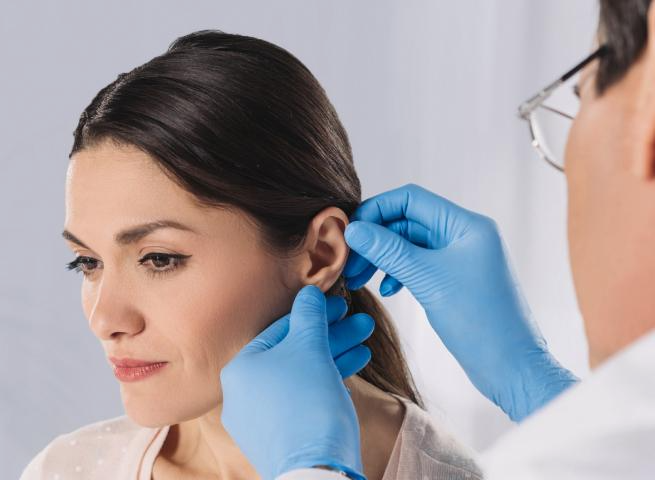
Otoplasty, also known as ear reshaping or ear pinning surgery, has evolved significantly over the past decade. What was once considered a basic cosmetic procedure has now transformed into a highly refined surgical specialty focused on precision, safety, and natural-looking results.
Today, patients seeking Otoplasty in Islamabad benefit from modern surgical techniques that offer improved accuracy, minimal scarring, faster recovery, and long-lasting outcomes. These advancements have made ear correction surgery more predictable and customizable than ever before.
This guide explores the most modern techniques used in otoplasty, how they work, and why they are preferred by surgeons and patients alike.
Understanding Modern Otoplasty
Modern otoplasty focuses on enhancing ear appearance while preserving natural anatomy. Instead of aggressive reshaping, current techniques aim for subtle modifications that improve symmetry, proportion, and balance.
The main goals include:
- Correcting protruding ears
- Improving ear symmetry
- Refining ear shape and contour
- Ensuring natural appearance
- Minimizing visible scarring
- Reducing recovery time
Surgeons now use advanced tools and refined methods to achieve predictable and aesthetically pleasing results.
Why Modern Techniques Matter
Traditional otoplasty methods were effective but often involved more invasive approaches. Modern techniques provide several improvements that benefit patients significantly.
Key Advantages
- Less tissue trauma
- Smaller incisions
- Faster healing
- Reduced discomfort
- More precise results
- Improved symmetry
- Natural-looking outcomes
These benefits have contributed to the rising popularity of otoplasty procedures in cosmetic surgery centers.
Suture-Based Otoplasty Technique
One of the most widely used modern methods is the suture-based technique.
How It Works
Instead of extensively cutting or removing cartilage, surgeons reshape the ear using internal sutures. These sutures fold and reposition the cartilage into a more natural shape.
Benefits
- Minimally invasive approach
- No major cartilage removal
- Faster recovery
- Natural contour preservation
- Reduced risk of complications
This technique is especially effective for patients with mild to moderate ear protrusion.
Cartilage Scoring Technique
The cartilage scoring method is another advanced approach used in otoplasty.
Procedure Overview
In this technique, the surgeon carefully makes controlled incisions in the cartilage to weaken and reshape it. This allows the ear to bend naturally into a more desirable position.
Benefits
- Improved flexibility of cartilage
- Enhanced control over ear shape
- Better correction of structural irregularities
- Long-lasting results
Cartilage scoring is often combined with suturing techniques for optimal outcomes.
Cartilage Sparing Otoplasty
Cartilage sparing techniques have become highly preferred in modern ear surgery.
What It Means
Instead of removing or aggressively altering cartilage, surgeons preserve most of the natural structure while repositioning it.
Advantages
- Maintains natural ear strength
- Reduces risk of deformity
- Preserves long-term stability
- Ensures natural appearance
This approach aligns with the modern philosophy of subtle and natural enhancement.
Incisionless or Minimal Incision Otoplasty
Some advanced cases may be treated using minimal incision techniques.
How It Works
Surgeons make very small incisions or work through hidden access points behind the ear. This reduces visible scarring and tissue disruption.
Benefits
- Minimal scarring
- Faster healing
- Reduced postoperative discomfort
- Improved cosmetic outcome
While not suitable for all cases, it is ideal for selected patients with mild concerns.
Laser-Assisted Otoplasty Techniques
Laser technology is increasingly being used in cosmetic surgery, including otoplasty.
Role of Laser Technology
Lasers can assist in making precise incisions and minimizing bleeding during surgery.
Advantages
- Greater surgical precision
- Reduced bleeding
- Lower risk of infection
- Faster healing process
- Cleaner incision lines
Laser-assisted techniques enhance surgical control and improve recovery outcomes.
3D Planning and Digital Imaging
One of the most important modern advancements in otoplasty is digital planning.
What It Involves
Surgeons use 3D imaging and digital simulation tools to analyze ear structure and plan surgery.
Benefits
- Detailed pre-surgical planning
- Predictable outcomes
- Improved communication with patients
- Personalized treatment design
- Better symmetry planning
Patients can also visualize expected results before undergoing surgery.
Combined Techniques Approach
Modern otoplasty often involves combining multiple techniques rather than relying on a single method.
Example Combination
- Suture technique for repositioning
- Cartilage scoring for shape adjustment
- Minimal incision for access
Why Combination Works
- More precise corrections
- Better customization
- Improved aesthetic balance
- Enhanced durability of results
This hybrid approach is widely used in advanced cosmetic centers.
Non-Surgical Adjunct Techniques
While surgery remains the primary treatment, non-surgical methods may sometimes support early correction or minor adjustments.
Ear Molding (for Children)
In infants and young children, ear molding devices can help reshape cartilage without surgery if applied early.
Benefits
- Non-invasive
- Effective in early development stages
- Prevents need for surgery in some cases
However, this is only suitable during early childhood when cartilage is still flexible.
Tissue Preservation Techniques
Modern surgeons focus heavily on preserving natural tissue during otoplasty.
Why Preservation Matters
Maintaining healthy cartilage ensures:
- Long-term stability
- Natural appearance
- Reduced complications
- Better structural integrity
This approach minimizes unnecessary tissue removal and supports better healing.
Improved Suturing Materials
Advancements in surgical sutures have also improved otoplasty outcomes.
Modern Sutures Offer:
- Greater strength
- Longer durability
- Reduced reaction risk
- Better holding capacity
These materials help maintain ear shape over time and support long-term results.
Faster Recovery Techniques
Modern surgical methods are designed to reduce downtime and improve recovery.
Recovery Improvements
- Less swelling
- Reduced pain
- Faster return to daily activities
- Improved wound healing
Patients benefit from more comfortable and efficient recovery experiences compared to older techniques.
Benefits of Modern Otoplasty Techniques
Patients undergoing modern ear reshaping procedures enjoy several advantages.
Aesthetic Benefits
- Natural-looking results
- Improved facial harmony
- Better ear symmetry
Medical Benefits
- Reduced complications
- Less invasive procedures
- Faster healing process
Psychological Benefits
- Increased confidence
- Improved self-image
- Greater social comfort
Who Can Benefit from Modern Techniques?
Modern otoplasty techniques are suitable for:
- Adults with protruding ears
- Children with ear deformities
- Patients seeking minimal scarring
- Individuals requiring precise correction
- Those wanting natural results
A consultation helps determine the most appropriate method based on individual needs.
Choosing the Right Technique
The choice of technique depends on:
- Ear shape and structure
- Severity of protrusion
- Skin and cartilage condition
- Patient expectations
- Surgeon’s recommendation
A personalized approach ensures optimal results.
Conclusion
Modern techniques used for otoplasty in Islamabad have significantly improved the safety, precision, and effectiveness of ear reshaping surgery. From suture-based methods and cartilage preservation to laser assistance and digital planning, these advancements allow surgeons to deliver highly customized and natural-looking results.
Patients today benefit from less invasive procedures, faster recovery times, and long-lasting outcomes. By choosing an experienced surgeon and the right technique, individuals can achieve balanced, symmetrical ears that enhance both facial harmony and confidence.
FAQs
What are modern techniques in otoplasty?
Modern techniques include suture-based reshaping, cartilage scoring, laser-assisted surgery, and digital planning methods.
Is otoplasty less invasive today?
Yes. Modern methods focus on minimal incisions and cartilage preservation, making the procedure less invasive.
Do modern techniques improve recovery?
Yes. Patients experience faster healing, less pain, and reduced downtime.
Are results more natural with modern otoplasty?
Yes. Techniques are designed to enhance ears while maintaining natural appearance.
Can all patients use minimally invasive methods?
Not all cases qualify. The technique depends on ear structure and severity of correction needed.
Is laser used in otoplasty?
In some cases, lasers assist in precision incisions and reducing bleeding.
How long do results last?
Modern otoplasty typically provides long-lasting and permanent results.