Joint pain, muscle strains, and tendon injuries are among the most common reasons people across Scotland seek medical advice. Whether the discomfort comes from a sporting injury, years of repetitive strain, or an underlying inflammatory condition, getting an accurate diagnosis quickly is essential to recovery. This is where musculoskeletal ultrasound has become an invaluable tool for clinicians and patients alike. Unlike many imaging methods, it offers a fast, safe, and highly detailed look at the soft tissues, joints, and nerves that X-rays simply cannot show.
In this guide, we explore what musculoskeletal ultrasound involves, why it has become so widely used across Scotland’s healthcare system, and what patients can expect from the process, from referral to results.
What Is Musculoskeletal Ultrasound?
Musculoskeletal ultrasound, often shortened to MSK ultrasound, is a specialised form of diagnostic imaging that uses high-frequency sound waves to create real-time images of muscles, tendons, ligaments, joints, and nerves. A handheld probe called a transducer is passed gently over the skin, sending sound waves into the body and capturing the echoes as they bounce back from different tissues. These echoes are converted into detailed, moving images that a trained sonographer or radiologist can interpret immediately.
Because the images are generated live, musculoskeletal ultrasound allows clinicians to see how a joint or tendon behaves during movement, something static imaging methods cannot replicate. This dynamic quality makes it particularly useful for assessing conditions that only become apparent when a limb is flexed, rotated, or placed under load.
Why Musculoskeletal Ultrasound Is Growing in Popularity Across Scotland
Scotland’s healthcare providers, both within the NHS and in private practice, have increasingly turned to musculoskeletal ultrasound as a first-line imaging option for a wide range of complaints. Several factors explain this shift.
Speed and accessibility: Unlike MRI, which often involves longer waiting times and scheduling constraints, ultrasound scans can frequently be arranged and completed within days. This is especially valuable for patients dealing with pain that limits their daily activities or ability to work.
No radiation exposure: Because ultrasound relies on sound waves rather than ionising radiation, it is considered extremely safe, including for repeated scans, pregnant patients, and children.
Cost-effectiveness: Ultrasound equipment and scanning time are generally less expensive than MRI, which helps keep costs manageable for both the NHS and private patients seeking a scan out of pocket.
Dynamic assessment: As mentioned above, the ability to observe tissues in motion gives clinicians insight that still images cannot provide, which is particularly useful for tendon and nerve conditions.
Common Conditions Diagnosed with MSK Ultrasound
Musculoskeletal ultrasound is used to investigate a broad spectrum of conditions affecting the body’s soft tissues and joints. Some of the most frequently diagnosed issues include:
- Rotator cuff tears and shoulder impingement
- Tennis elbow and golfer’s elbow (tendinopathy)
- Carpal tunnel syndrome and other nerve entrapments
- Achilles tendon injuries and plantar fasciitis
- Ligament sprains in the knee and ankle
- Joint effusions and synovitis linked to inflammatory arthritis
- Bursitis in the hip, shoulder, or knee
- Soft tissue masses, cysts, and ganglions
In many cases, ultrasound is also used to guide precise treatments, such as corticosteroid injections or aspirations, ensuring medication is delivered exactly where it is needed rather than relying on surface landmarks alone.
What to Expect During a Scan
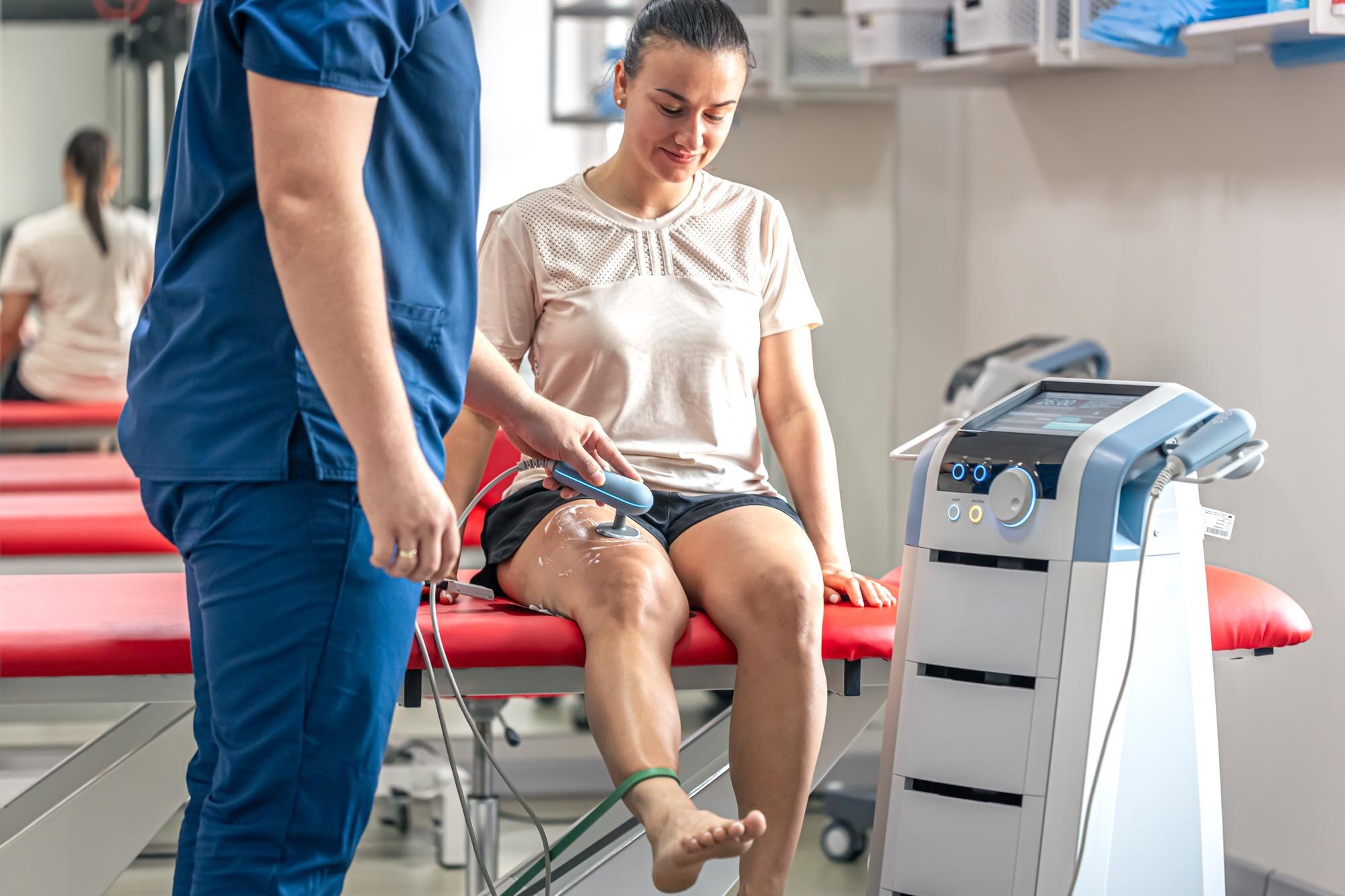
For most patients, a musculoskeletal ultrasound appointment is straightforward and requires little to no preparation. On arrival, a sonographer will ask about your symptoms and medical history before applying a small amount of gel to the skin over the area being examined. The probe is then moved across the skin, and images appear on a monitor in real time.
You may be asked to move the affected joint or limb during the scan, since this helps the sonographer assess how tendons and ligaments behave under tension. The process is painless, typically takes between fifteen and thirty minutes depending on the area being examined, and there is no downtime afterwards, meaning most people can return to their normal activities immediately.
Results are often available shortly after the scan, and in many private clinics, a written report is provided to your referring doctor or physiotherapist within a day or two. This rapid turnaround is one of the reasons the modality has become a preferred choice for people wanting to avoid lengthy delays in diagnosis and treatment planning.
How to Access Musculoskeletal Ultrasound in Scotland
Patients across Scotland typically access musculoskeletal ultrasound through one of two routes. The first is via referral from a GP, physiotherapist, or orthopaedic consultant working within the NHS. While NHS access is free at the point of use, waiting times can vary considerably depending on region and current demand.
The second route is through private imaging providers, many of which accept both self-referrals and referrals from healthcare professionals. Choosing to book a musculoskeletal scan Scotland through a private clinic often means shorter waiting times, flexible appointment slots, and the option to have same-day consultations with a sports medicine or orthopaedic specialist if further treatment is needed.
When choosing a provider, it is worth checking that scans are performed or supervised by sonographers or radiologists with specific musculoskeletal training, as this specialism requires a different skill set to general abdominal or obstetric ultrasound. A clinic’s accreditation, equipment quality, and reporting turnaround time are all reasonable questions to ask before booking.
Ultrasound Versus MRI: Which Is Right for You?
It is a common misconception that MRI is always the superior choice for musculoskeletal complaints. In reality, the two techniques are complementary rather than competing. Ultrasound excels at examining superficial structures such as tendons, ligaments, and nerves, and it can do so dynamically. MRI, on the other hand, provides a more complete cross-sectional view of the body and is better suited to assessing deeper structures such as bone marrow, cartilage, and internal joint components like the menisci of the knee.
Many clinicians in Scotland now use ultrasound as an efficient first step, reserving MRI for cases where results are inconclusive or where a deeper structural injury is suspected. This staged approach helps reduce unnecessary MRI referrals, easing pressure on imaging waiting lists while still ensuring patients receive the right level of investigation for their symptoms.
Preparing for Your Appointment
Preparation for musculoskeletal ultrasound is minimal. Patients are generally advised to wear loose, comfortable clothing that allows easy access to the area being scanned, and to avoid applying lotions or creams to the skin beforehand. Bringing along any previous imaging reports, referral letters, or a list of current medications can help the sonographer and reporting clinician build a fuller picture of your condition.
If the scan is being performed to guide an injection, your provider may give you specific instructions beforehand, such as pausing certain blood-thinning medications. Always confirm any special requirements when booking your appointment.
Who Should Consider a Referral?
Not every ache or pain requires imaging, and most minor strains settle with rest, physiotherapy, or simple pain relief. However, there are situations where a musculoskeletal ultrasound referral is particularly worthwhile. These include pain that persists beyond a few weeks despite conservative treatment, swelling or a visible lump near a joint or tendon, weakness or numbness suggesting nerve involvement, or a suspected tear following a sudden injury during sport or exercise.
Athletes and active individuals in particular often benefit from early scanning, since identifying the exact nature of a tendon or ligament injury allows a physiotherapist or sports physician to tailor rehabilitation more precisely, rather than relying on a generic recovery timeline. Older adults presenting with joint pain and stiffness may also be referred to rule out inflammatory conditions such as rheumatoid arthritis, where ultrasound can detect subtle synovial changes well before they would be visible on an X-ray.
Understanding the Cost of Private Scans
For patients opting to go private, costs vary depending on the clinic, the body part being examined, and whether the appointment includes a same-day consultation with a specialist. Single-joint scans are generally the most affordable option, while more complex assessments covering multiple structures, or those bundled with a same-day injection, will cost more. It is worth requesting a clear, itemised quote before booking, and checking whether the price includes a written report sent to your GP or physiotherapist, as this is an essential part of ensuring continuity of care once your results are ready.
Some private health insurance policies in Scotland also cover musculoskeletal ultrasound, particularly when the scan is recommended by a consultant. It is worth checking your policy terms, or contacting your insurer directly, before arranging a self-funded appointment, since pre-authorisation may be required.
Final Thoughts
Musculoskeletal ultrasound has firmly established itself as a cornerstone of modern diagnostic imaging across Scotland, offering a safe, fast, and cost-effective way to investigate joint and soft tissue complaints. Its ability to capture movement in real time gives clinicians insights that other imaging methods cannot match, while shorter waiting times and lower costs make it an appealing option for many patients.
Whether you are dealing with a nagging tendon injury, unexplained joint swelling, or a sports-related strain, discussing musculoskeletal ultrasound with your GP or physiotherapist is a sensible next step. With NHS and private options both widely available, getting an accurate diagnosis and starting the right treatment path no longer has to mean a long wait.