Modern scientific inquiry across molecular biology, cellular signaling, and analytical chemistry demands unyielding reagent precision. When academic researchers, private laboratories, and biotechnology facilities prepare to order peptides online, procuring verified, ultra-pure compounds is essential to securing valid, reproducible experimental data. Low-grade reagents introduce unwanted background variables that disrupt complex analytical protocols and lead to skewed trial results.
Establishing a dependable procurement workflow requires evaluating online vendors against strict technical metrics. Institutional buyers must look beyond simple web listings and prioritize suppliers who provide accessible third-party documentation, clear lot traceability, and thermal-aware fulfillment practices.
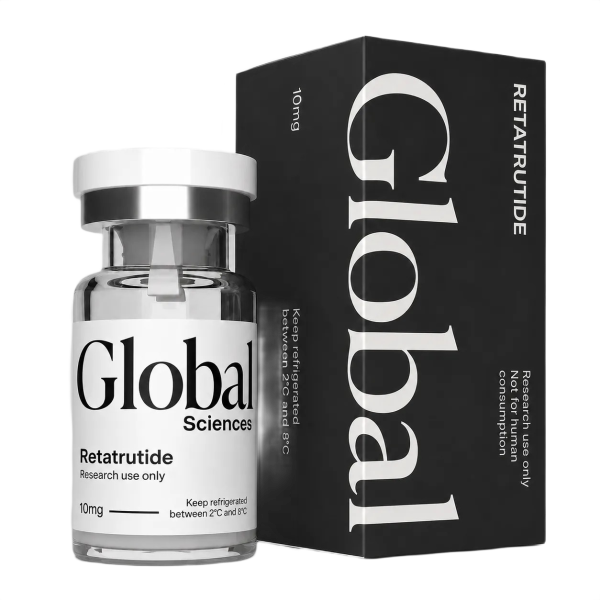
The Chemical Architecture of High-Purity Synthesis
Peptide manufacturing relies on Solid-Phase Peptide Synthesis (SPPS) to construct defined amino acid sequences with high structural fidelity. However, physical synthesis represents only the preliminary stage of chemical preparation. The crucial phase that determines final product quality occurs during post-synthesis purification via High-Performance Liquid Chromatography (HPLC).
Without intensive multi-stage purification, crude peptide batches retain truncated side-product sequences, residual organic solvents, and counter-ion impurities. High-grade research suppliers enforce stringent purity baselines typically 99% or higher to ensure that baseline noise and unpredictable cross-reactivity do not compromise laboratory trials.
Core Testing Protocols for Analytical Verification
To confirm chemical identity and sequence purity before shipping material to research facilities, reputable catalog suppliers rely on two foundational laboratory testing protocols:
- High-Performance Liquid Chromatography (HPLC): Measures relative peak area to quantify total purity percentage and detect minor synthesized impurities.
- Mass Spectrometry (MS): Confirms exact molecular mass, verifying that the synthesized structure matches theoretical sequencing down to the Dalton.
7 Essential Rules to Order Peptides Online Safely
Maintaining precise experimental controls requires procurement teams to audit supply channels against established quality checkpoints. Global Sciences builds its catalog and fulfillment systems around these analytical checks, ensuring every vial dispatched to the workbench performs reliably under trial conditions.
. Verification of Independent Third-Party COAs
Internal supplier testing offers a helpful baseline, but independent third-party analytical validation guarantees absolute operational transparency. Before researchers elect to order peptides online, they should confirm that each product batch features a accessible Certificate of Analysis (COA). This documentation allows laboratory personnel to confirm identity, purity percentages, and batch numbers prior to unsealing shipments.
. Complete Batch and Lot Traceability
Robust batch traceability connects raw manufacturing records directly to individual product vials. Every vial must display a unique lot ID cross-referenced with its synthesis history and analytical test data. Transparent online lookup databases allow lab technicians to verify physical packaging details against digital records instantly.
. Precision Freeze-Drying and Cake Integrity
Peptides are inherently sensitive to thermal spikes, moisture uptake, and mechanical shear. Professional post-purification freeze-drying (lyophilization) transforms fragile liquid solutions into stable, crystalline lyophilized cakes. High-quality lyophilization protects structural integrity over extended storage periods when kept under monitored freezing conditions.
. Thermal-Aware Shipping and Fast Dispatch
Proper handling during transit is critical to preserving fragile peptide structures. When facilities order peptides online, buyers must consider dispatch velocity, insulation standards, and total shipping duration. Rapid processing from centralized fulfillment centers such as same-day dispatch out of Perth for orders verified early in the day minimizes ambient heat exposure and protects chemical stability.
. Integration of Reconstitution Calculators
Accurate volumetric calculations are vital for avoiding dosing errors during sample preparation. Leading digital procurement platforms feature built-in lab tools, such as automated peptide reconstitution calculators. These resources assist research teams in determining precise diluent ratios and final microgram concentrations without manual calculation errors.
. Access to Essential Laboratory Diluents
A complete research pipeline requires compatible diluents to prepare solid material for liquid assays. Supplies such as high-purity Bacteriostatic Water (BAC) containing 0.9% benzyl alcohol prevent microbial proliferation after initial vial reconstitution. Ensuring that primary compounds and reconstitution reagents share identical quality standards prevents sample degradation over time.
. Explicit Operational Disclaimers and Compliance
Responsible suppliers maintain full transparency regarding product scope and regulatory boundaries. Compounds distributed by Global Sciences are strictly cataloged for laboratory, analytical, and educational research purposes. Clear compliance documentation supports ethical scientific practices while ensuring institutional adherence to industry standards.
Managing Physical Degradation Vectors in Laboratory Materials
Working with short-chain amino acids and complex synthetic proteins presents distinct handling challenges. Understanding key degradation pathways helps researchers protect sample purity from arrival through long-term storage.
Preventing Atmospheric Moisture Condensation
Although dry lyophilized powders remain stable under sub-zero storage conditions, opening frozen vials at room temperature causes immediate moisture condensation inside the container. This water introduction causes rapid hydrolytic degradation. To avoid moisture damage, researchers must allow frozen vials to reach ambient room temperature fully before removing seals.
Selecting the Correct Reconstitution Buffer
While many hydrophilic sequences dissolve readily in sterile or bacteriostatic water, hydrophobic sequences may require subtle pH adjustments using mild acidic or basic buffers (such as dilute acetic acid). Reviewing sequence-specific solubility notes prior to adding liquids prevents aggregation and guarantees clear solution clarity.
Workbench Inspection Protocol for Incoming Orders
Prior to unsealing and reconstituting incoming reagents when teams order peptides online, research staff should execute a standard four-point quality inspection:
- Visual Cake Assessment: Ensure the lyophilized material forms a uniform, dry cake free from collapse or discoloration.
- Container Seal Inspection: Confirm that the aluminum crimp ring and flip-top cap remain completely intact and tamper-free.
- Batch Document Matching: Match the physical lot number on the vial directly to the COA records in the Global Sciences database.
- Solubility Verification: Monitor the dissolution speed upon adding the designated solvent; pure material dissolves cleanly without residual turbidity.
Why Reliability in Procurement Directs Research Outcomes
In longitudinal biological studies and high-throughput cellular screening, unexpected batch variations can skew statistical data and invalidate months of hard work. Choosing to order peptides online through a proven vendor ensures consistent sequence composition across every stage of your trial.
By prioritizing documented purity standards, transparent batch lookup databases, and protective dispatch protocols, laboratories safeguard their operational investments. Global Sciences remains committed to supporting scientific innovation by delivering high-grade research materials backed by clear data and responsive support.
Conclusion
Securing reliable, high-purity materials is fundamental to advancing modern scientific research. As options to order peptides online continue to expand, partnering with suppliers that emphasize batch transparency, third-party verification, and rapid fulfillment becomes essential. By relying on trusted providers like Global Sciences, scientific institutions across the region can execute their experimental protocols with complete confidence in compound purity and analytical consistency.