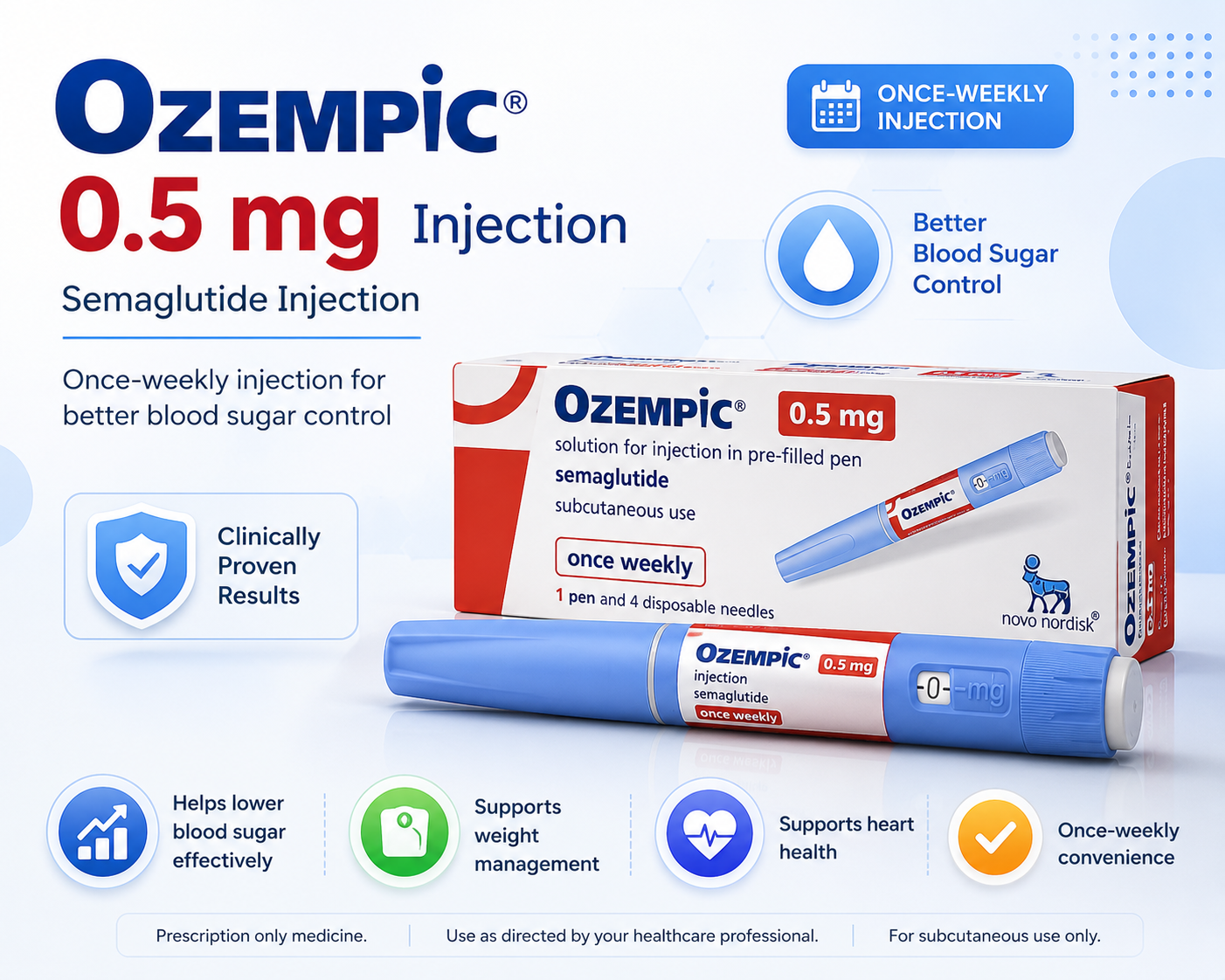
Managing type 2 diabetes requires a combination of healthy lifestyle choices, regular monitoring, and appropriate medical treatment. For many adults who need additional support to control their blood sugar levels, prescription medications can play an important role. One commonly prescribed medication is Ozempic 0.5 mg injection, a once-weekly injectable treatment containing the active ingredient semaglutide.
Ozempic belongs to a class of medicines known as GLP-1 receptor agonists. It works by mimicking a naturally occurring hormone in the body called glucagon-like peptide-1 (GLP-1), which helps regulate blood sugar levels, support insulin production, and influence appetite.
The U.S. Food and Drug Administration (FDA) has approved Ozempic for improving blood sugar control in adults with type 2 diabetes when used along with diet and exercise. It is also approved to reduce the risk of major cardiovascular events, such as heart attack, stroke, and cardiovascular death, in certain adults with type 2 diabetes and established cardiovascular disease.
Although Ozempic has gained attention because of its effects on weight reduction in some patients, it is important to understand that Ozempic is primarily a diabetes medication and should only be used under the guidance of a qualified healthcare provider.
This guide explains everything you need to know about Ozempic 0.5 mg injection, including how it works, its uses, dosage, benefits, possible side effects, precautions, and frequently asked questions.
What Is Ozempic 0.5 mg Injection?
Ozempic 0.5 mg injection is a prescription medication used to help adults with type 2 diabetes improve blood glucose control. It contains semaglutide, an active ingredient that belongs to the GLP-1 receptor agonist medication class.
Ozempic is supplied as a prefilled injection pen that patients use once weekly. The medication is injected under the skin (subcutaneously) in areas such as the abdomen, thigh, or upper arm.
Unlike traditional diabetes medications that mainly work by directly lowering blood glucose, Ozempic works through several natural processes involved in blood sugar regulation. It helps the body release insulin when glucose levels are elevated, reduces excess glucose production, and slows digestion.
Active Ingredient: Semaglutide
The active ingredient in Ozempic is semaglutide, a laboratory-made version of a hormone called GLP-1.
GLP-1 is naturally produced in the body after eating. It plays an important role in maintaining healthy blood sugar levels by helping the pancreas release insulin and controlling how quickly food moves through the digestive system.
Semaglutide has a longer duration of action compared with naturally produced GLP-1, allowing Ozempic to be administered once weekly.
Drug Class: GLP-1 Receptor Agonist
Ozempic belongs to the group of medications called GLP-1 receptor agonists.
Other medications in this class work by activating GLP-1 receptors, which are involved in:
- Insulin secretion
- Blood glucose regulation
- Appetite control
- Digestion speed
- Glucagon activity
Because of these effects, GLP-1 receptor agonists have become an important option for many people managing type 2 diabetes.
Available Ozempic Strengths
Ozempic injection pens are available in different strengths to allow healthcare providers to gradually adjust treatment according to individual needs.
Common Ozempic doses include:
- 0.25 mg (initial starting dose)
- 0.5 mg
- 1 mg
- 2 mg
The 0.5 mg dose is often used after patients have started with the lower introductory dose and their healthcare provider determines that increasing the dose is appropriate.
The exact dosage schedule depends on factors such as:
- Blood sugar goals
- Response to treatment
- Side effects
- Overall health condition
How Does Ozempic 0.5 mg Work?
Ozempic works by acting similarly to the body’s natural GLP-1 hormone. After injection, semaglutide activates GLP-1 receptors, producing several effects that help improve blood glucose management.
Stimulates Insulin Release
One of the main actions of Ozempic is helping the pancreas release insulin when blood sugar levels are high.
Insulin is a hormone that allows glucose from the bloodstream to enter cells, where it can be used for energy. In people with type 2 diabetes, the body may not produce enough insulin or may not respond effectively to insulin.
By improving insulin response, Ozempic may help reduce elevated blood sugar levels.
Helps Regulate Blood Glucose
Ozempic supports better glucose control by improving the body’s natural ability to manage blood sugar after meals.
It works in a glucose-dependent way, meaning its effect on insulin release is stronger when blood sugar levels are higher.
Reduces Glucagon Release
Glucagon is a hormone that signals the liver to release stored glucose into the bloodstream.
In people with diabetes, excessive glucagon activity can contribute to high blood sugar levels.
Ozempic helps reduce unnecessary glucagon release, which may support improved glucose balance.
Slows Stomach Emptying
Semaglutide can slow the movement of food from the stomach into the small intestine.
This slower digestion process may:
- Reduce rapid increases in blood sugar after meals
- Help people feel full longer
- Influence appetite regulation
Affects Appetite Regulation
Because GLP-1 receptors are involved in appetite control, Ozempic may reduce hunger signals in some people.
This effect can lead to reduced calorie intake and weight reduction for some patients. However, individual results vary, and Ozempic should not be considered a guaranteed weight-loss medication unless specifically prescribed for an approved indication.
What Is Ozempic 0.5 mg Used For?
Type 2 Diabetes Management
The primary approved use of Ozempic 0.5 mg injection is helping adults with type 2 diabetes improve blood sugar control.
It is prescribed along with:
- A balanced diet
- Regular physical activity
- Other diabetes management strategies recommended by a healthcare provider
Ozempic may help lower blood glucose levels and improve A1C measurements when used as directed.
What Is A1C?
A1C is a blood test that shows average blood sugar levels over approximately two to three months.
Healthcare providers use A1C results to evaluate how well diabetes treatment is working.
Ozempic may contribute to improved A1C levels by helping regulate glucose metabolism.
Cardiovascular Risk Reduction
For certain adults with type 2 diabetes and established cardiovascular disease, Ozempic has an FDA-approved indication to reduce the risk of major cardiovascular events.
These events may include:
- Heart attack
- Stroke
- Cardiovascular death
This benefit does not mean Ozempic eliminates cardiovascular risk. Patients should continue following medical advice regarding:
- Blood pressure control
- Cholesterol management
- Exercise
- Healthy eating habits
- Other prescribed treatments
Ozempic 0.5 mg Dosage and Administration
The correct dosage of Ozempic 0.5 mg injection depends on an individual’s health condition, treatment goals, blood sugar levels, and response to the medication. Ozempic should always be used exactly as prescribed by a healthcare professional.
Healthcare providers typically start patients on a lower dose and gradually increase the dose to help the body adjust and reduce the chance of digestive side effects.
Typical Ozempic Dosing Schedule
A common dosing approach may include:
- Starting dose: 0.25 mg once weekly for the first four weeks (initial adjustment period)
- Maintenance dose: 0.5 mg once weekly after the starting period, if recommended by a healthcare provider
Some patients may require different doses depending on their blood sugar response and medical needs.
The Ozempic 0.5 mg dose is considered a commonly used maintenance dose for many adults with type 2 diabetes.
How to Use Ozempic 0.5 mg Injection
Ozempic is administered as a subcutaneous injection, meaning it is injected under the skin.
Common injection areas include:
- Abdomen
- Thigh
- Upper arm
Patients should rotate injection sites to reduce irritation or discomfort.
Important administration tips:
- Use Ozempic once weekly on the same day each week.
- The injection can be taken with or without meals.
- Do not share an Ozempic pen with another person.
- Follow the instructions provided with the injection pen.
Your healthcare provider or pharmacist can demonstrate the correct injection technique if you are using Ozempic for the first time.
What Happens If You Miss an Ozempic Dose?
If you miss a scheduled Ozempic dose, follow your healthcare provider’s instructions.
General guidance includes:
- If the missed dose is remembered within the allowed timeframe, it may be taken as directed.
- If too much time has passed, patients may need to skip the missed dose and continue with the next scheduled injection.
Do not take two doses at the same time to make up for a missed injection.
If you frequently forget doses, consider setting reminders or discussing strategies with your healthcare provider.
Benefits of Ozempic 0.5 mg Injection
When used as prescribed, Ozempic 0.5 mg injection may provide several benefits for adults managing type 2 diabetes.
Improved Blood Sugar Control
One of the main benefits of Ozempic is helping improve blood glucose management.
Clinical studies have shown that semaglutide may help reduce blood sugar levels and improve A1C results in many adults with type 2 diabetes when combined with lifestyle changes.
Better glucose control may help reduce the risk of diabetes-related complications over time.
Lower A1C Levels
A1C is an important measurement used to monitor long-term blood sugar control.
Ozempic may help lower A1C levels by:
- Increasing insulin release when glucose levels are elevated
- Reducing excess glucagon activity
- Improving overall glucose regulation
The amount of A1C reduction varies from person to person.
Convenient Once-Weekly Dosing
Compared with some diabetes medications that require daily dosing, Ozempic offers the convenience of a once-weekly injection.
This schedule may make treatment easier for some patients who prefer fewer medication administrations.
Possible Weight Reduction
Although Ozempic is approved for type 2 diabetes treatment, some patients may experience weight reduction while taking semaglutide.
This may occur because Ozempic can:
- Reduce appetite
- Increase feelings of fullness
- Slow stomach emptying
However, weight changes vary, and Ozempic should not be used solely for weight loss unless prescribed by a healthcare provider for an approved purpose.
Cardiovascular Benefits for Eligible Patients
For certain adults with type 2 diabetes and established cardiovascular disease, Ozempic may help reduce the risk of major cardiovascular events.
Patients should continue other heart-health strategies recommended by their healthcare provider.
Ozempic 0.5 mg Side Effects
Like all prescription medications, Ozempic may cause side effects. Some people experience mild effects that improve over time, while others may require medical attention.
Common Side Effects
The most commonly reported side effects of Ozempic include:
Nausea
Nausea is one of the most frequent side effects, especially when starting treatment or increasing the dose.
Eating smaller meals and avoiding heavy or high-fat foods may help some people manage nausea.
Vomiting
Some patients may experience vomiting, particularly during the early stages of treatment.
Persistent vomiting should be discussed with a healthcare professional because it may increase the risk of dehydration.
Diarrhea
Changes in digestion, including diarrhea, may occur as the body adjusts to semaglutide.
Constipation
Some people may experience slower bowel movements while taking Ozempic.
Increasing fluid intake and following dietary recommendations may help support digestive health.
Abdominal Discomfort
Patients may experience:
- Stomach pain
- Bloating
- Indigestion
These symptoms are often related to Ozempic’s effect on digestion.
Reduced Appetite
Because semaglutide affects appetite regulation, some people notice decreased hunger while using Ozempic.
Serious Side Effects and Safety Concerns
Although uncommon, Ozempic may cause serious side effects that require medical attention.
Pancreatitis
Pancreatitis is inflammation of the pancreas.
Seek medical advice immediately if you experience symptoms such as:
- Severe stomach pain that does not go away
- Pain that spreads to the back
- Vomiting with severe abdominal discomfort
Gallbladder Problems
Ozempic may increase the risk of gallbladder-related problems in some patients.
Possible symptoms include:
- Upper abdominal pain
- Fever
- Yellowing of the skin or eyes
- Nausea or vomiting
Severe Allergic Reactions
Rarely, serious allergic reactions may occur.
Symptoms may include:
- Swelling of the face, lips, tongue, or throat
- Difficulty breathing
- Severe rash
- Dizziness or fainting
Emergency medical care should be sought if these symptoms occur.
Kidney Problems Related to Dehydration
Severe vomiting or diarrhea can lead to dehydration, which may affect kidney function.
Patients should contact a healthcare provider if they experience prolonged digestive symptoms.
Vision Changes in People With Diabetic Retinopathy
People with diabetic eye disease should discuss their condition with their healthcare provider.
Changes in blood sugar levels can sometimes affect diabetic retinopathy, and monitoring may be necessary.
Who Should Avoid Ozempic 0.5 mg?
Ozempic may not be appropriate for everyone. Before starting treatment, patients should discuss their complete medical history with their healthcare provider.
Thyroid Cancer History
Ozempic carries a warning regarding the potential risk of thyroid C-cell tumors.
People should not use Ozempic if they or their family have a history of:
- Medullary thyroid carcinoma (MTC)
- Multiple Endocrine Neoplasia syndrome type 2 (MEN 2)
Allergy to Semaglutide
Patients who have experienced a serious allergic reaction to semaglutide or any ingredient in Ozempic should avoid using the medication.
Pregnancy Considerations
People who are pregnant or planning pregnancy should discuss treatment options with their healthcare provider.
Diabetes management during pregnancy requires careful medical supervision.
Breastfeeding Considerations
Patients who are breastfeeding should consult a healthcare professional before using Ozempic to understand potential risks and benefits.
Ozempic 0.5 mg vs Other Diabetes Medications
Different diabetes medications work in different ways. The best treatment option depends on a person’s medical condition, treatment goals, and healthcare provider’s recommendations.
| Medication | Active Ingredient | Drug Class | Main Use |
|---|---|---|---|
| Ozempic | Semaglutide | GLP-1 receptor agonist | Type 2 diabetes |
| Trulicity | Dulaglutide | GLP-1 receptor agonist | Type 2 diabetes |
| Metformin | Metformin | Biguanide | Type 2 diabetes |
| Mounjaro | Tirzepatide | Dual GIP/GLP-1 agonist | Type 2 diabetes |
Ozempic vs Trulicity
Both Ozempic and Trulicity belong to the GLP-1 receptor agonist class and are used for type 2 diabetes management.
They differ in:
- Active ingredient
- Dosage schedule
- Individual response
- Side effect profile
A healthcare provider can determine which medication is more suitable.
Ozempic vs Metformin
Metformin is often used as an initial treatment option for type 2 diabetes.
It works differently by:
- Reducing glucose production in the liver
- Improving insulin sensitivity
Ozempic works through GLP-1 hormone pathways and may be added when additional glucose control is needed.
Ozempic vs Mounjaro
Mounjaro contains tirzepatide, which activates both GIP and GLP-1 receptors.
Both medications affect blood sugar regulation, but they have different mechanisms and should only be compared based on individual medical needs.
Frequently Asked Questions About Ozempic 0.5 mg
How long does Ozempic 0.5 mg take to work?
Ozempic begins working after the first doses, but improvements in blood sugar levels may develop gradually over several weeks. Individual results vary depending on health conditions, lifestyle habits, and treatment response.
Can Ozempic 0.5 mg help with weight loss?
Some people taking Ozempic experience weight reduction because semaglutide may reduce appetite and increase feelings of fullness. However, Ozempic is primarily approved for type 2 diabetes management.
How often is Ozempic 0.5 mg injected?
Ozempic 0.5 mg is injected once weekly under the skin. It should be taken on the same day each week unless a healthcare provider recommends a change.
Can Ozempic be used without diabetes?
Ozempic is FDA-approved for adults with type 2 diabetes. Using it for other purposes should only be considered under medical guidance.
What happens if I miss an Ozempic dose?
Follow your healthcare provider’s instructions. Do not take extra doses to replace a missed injection.
How should Ozempic be stored?
Ozempic pens should be stored according to the manufacturer’s instructions. Unused pens are typically stored in the refrigerator, while patients should follow official storage guidance provided with the medication.
Conclusion
Ozempic 0.5 mg injection is a prescription semaglutide medication used to help adults with type 2 diabetes improve blood sugar control when combined with diet and exercise.
As a GLP-1 receptor agonist, Ozempic works by supporting insulin release, reducing excess glucose production, slowing stomach emptying, and helping regulate appetite.
While Ozempic may offer benefits such as improved A1C levels, convenient once-weekly dosing, and possible weight reduction, it is not suitable for everyone. Patients should discuss their medical history, current medications, and treatment goals with a healthcare professional before starting therapy.
Successful diabetes management usually involves a combination of medication, healthy eating, physical activity, and regular medical monitoring.
Medical Disclaimer:
This article is for informational purposes only and does not replace professional medical advice. Always consult a qualified healthcare provider before starting, stopping, or changing any medication.