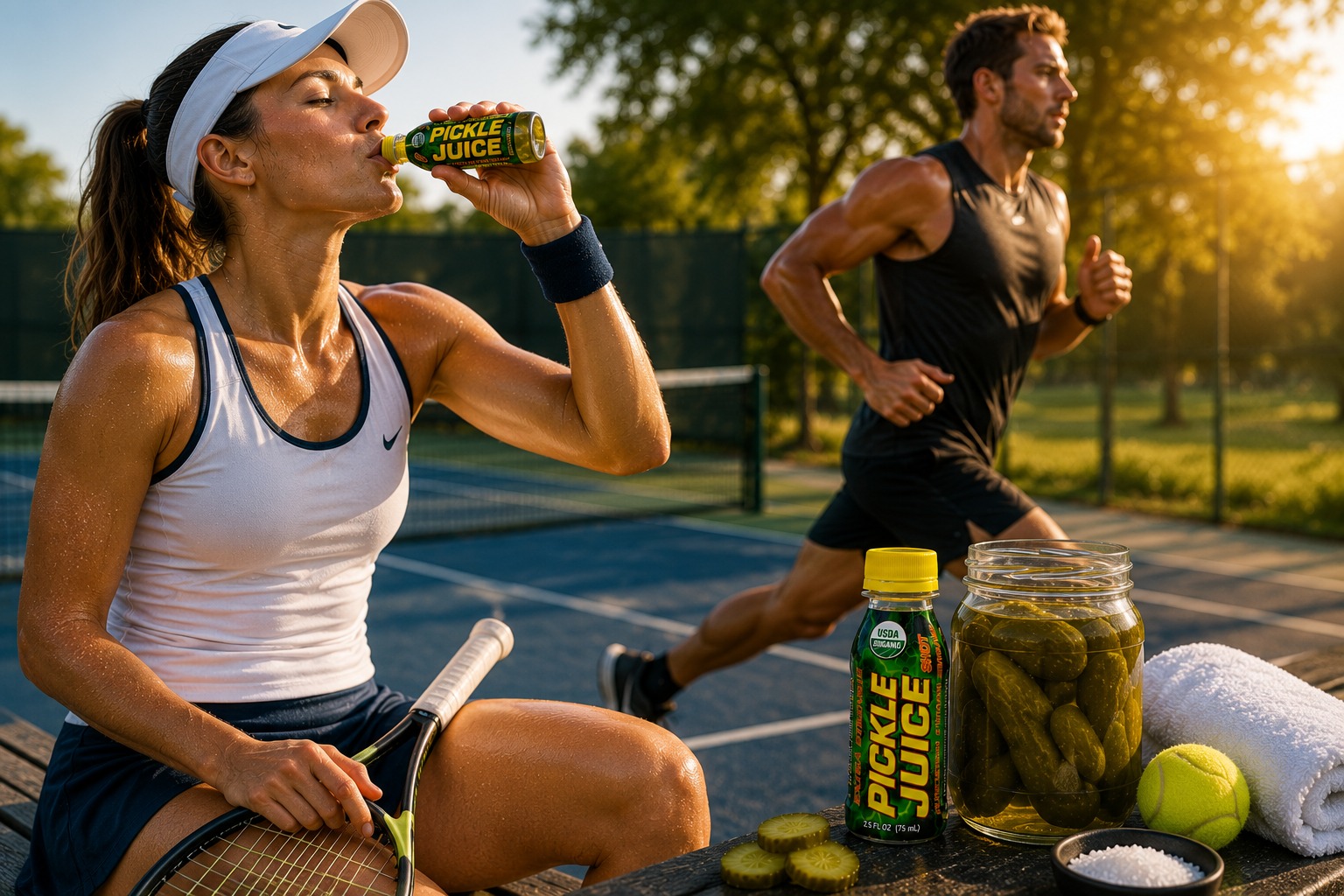
Tennis is one of the most physically demanding sports. Players are required to sprint, change direction, react quickly, and maintain concentration for extended periods. When combined with endurance training, these demands place significant stress on the body, particularly during Australia’s warmer months. Effective recovery and hydration become essential for maintaining performance and supporting long-term athletic goals.
As athletes search for practical ways to manage recovery and stay prepared for their next session, many are exploring a variety of hydration and recovery strategies. One option that has gained attention among active individuals is Pickle Juice. While it may seem unconventional compared to traditional sports drinks, it has become a familiar part of recovery conversations among athletes who regularly push their bodies through intense training.
Understanding the role of recovery and hydration in tennis and endurance sports can help athletes make more informed decisions and create routines that support both performance and overall wellbeing.
The Unique Demands of Tennis and Endurance Training
Unlike many sports that involve short bursts of activity, tennis combines repeated explosive movements with extended periods of physical exertion. A competitive match can last several hours, requiring players to maintain energy, coordination, and focus throughout.
Endurance training presents similar challenges. Long-distance runners, cyclists, and triathletes often spend significant amounts of time exercising, placing continuous demands on muscles and hydration levels.
In both situations, athletes experience fluid loss through sweating while also placing considerable strain on their muscles and nervous systems. Recovery becomes essential because it helps prepare the body for future training sessions and competitions.
Athletes who consistently prioritise recovery often find it easier to maintain training quality over time.
Read Also : Does pickle juice really stop muscle cramps? What the science says for Australian athletes
Why Hydration Plays Such an Important Role
Hydration affects almost every aspect of athletic performance. During exercise, the body relies on adequate fluid levels to support temperature regulation, circulation, and overall physical function.
When athletes train for long periods, particularly outdoors in Australian conditions, fluid loss can become significant. Maintaining hydration is important not only during exercise but also throughout the recovery process.
Proper hydration supports comfort after training and helps athletes feel better prepared for future sessions. Many coaches and sports nutrition professionals encourage athletes to view hydration as an ongoing habit rather than something addressed only when thirst appears.
This shift in thinking reflects a broader understanding of how recovery contributes to long-term athletic development.
Recovery Is More Than Rest
Many people associate recovery with simply taking a break after exercise. While rest remains important, modern recovery strategies often involve several different elements working together.
Athletes frequently focus on nutrition, hydration, sleep quality, mobility work, and recovery products that fit naturally into their routines.
The goal is not simply to recover from one workout. It is to create habits that support consistent training over weeks, months, and years.
For tennis players and endurance athletes, consistency often determines progress more than any single training session. Effective recovery allows athletes to continue improving without unnecessary interruptions caused by excessive fatigue.
The Growing Interest in Practical Recovery Solutions
Athletes today have access to more recovery products than ever before. However, modern consumers are becoming increasingly selective about what they use.
Rather than choosing products based solely on marketing claims, many athletes look for solutions that are practical, easy to use, and compatible with their training routines.
This is one reason Pickle Juice has become part of the conversation among active individuals. Athletes are often drawn to products that can be incorporated easily into existing habits without adding complexity to already busy schedules.
Convenience matters because even the best recovery strategy is unlikely to provide long-term value if it is difficult to maintain consistently.
Customer Expectations Continue to Evolve
The sports nutrition industry has changed significantly in recent years. Athletes are more informed, more health-conscious, and more focused on ingredient transparency than previous generations.
Today’s customers often expect products to offer more than basic functionality. They want solutions that align with their lifestyle, support their goals, and provide a positive overall experience.
This includes factors such as product quality, ease of use, portability, and trust in the brand behind the product.
Athletes increasingly seek recovery solutions that feel authentic and practical rather than overly complicated or heavily marketed.
As these expectations continue to evolve, recovery products must demonstrate genuine value to remain relevant.
Long-Term Value for Active Australians
One of the most important aspects of any recovery strategy is sustainability. Short-term approaches may provide temporary results, but long-term habits are what truly support athletic performance.
For tennis players and endurance athletes, sustainable recovery practices can help support consistent training and enjoyable participation in sport.
Athletes often benefit from focusing on simple, repeatable habits that fit naturally into daily life. When recovery becomes part of a routine rather than an occasional effort, the benefits are often more meaningful over time.
This long-term perspective is particularly valuable for Australians who train year-round in a variety of weather conditions and sporting environments.
Thoughtful Choices and Sustainability
Consumers are becoming increasingly aware of the environmental and ethical impact of the products they purchase.
Many athletes now consider factors such as ingredient quality, responsible sourcing, and packaging practices when making purchasing decisions.
This growing focus on sustainability reflects a broader trend toward thoughtful decision-making. Customers want products that not only support their performance goals but also align with their personal values.
Brands that embrace transparency and quality are often better positioned to build long-term trust with their customers.
Conclusion
Tennis players and endurance athletes face unique physical demands that require a strong focus on hydration, recovery, and consistency. Supporting the body after training is an essential part of maintaining performance and preparing for future challenges.
As athletes continue searching for practical recovery solutions, Pickle Juice remains a popular option within broader hydration and recovery strategies. Combined with smart training habits, quality nutrition, and proper rest, it can form part of an approach that supports long-term athletic success.
At Pickle Juice, we believe recovery should be simple, practical, and effective. Our goal is to help active Australians stay prepared for every training session, match, and endurance challenge that lies ahead.