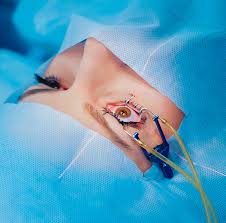
Our eyes help us experience the world around us every day. From reading and driving to recognizing faces and enjoying beautiful views, healthy vision plays an important role in daily life. However, many eye conditions can affect vision without showing obvious symptoms in the early stages. This is why regular eye examinations and expert retinal care are essential for maintaining long-term eye health.
The retina is one of the most important parts of the eye. It is responsible for receiving light and sending visual signals to the brain. Any damage to the retina can lead to serious vision problems and, in some cases, permanent vision loss if not treated promptly.
If you are looking for the best retina specialist in dubai, understanding retinal health, common retinal disorders, and available treatment options can help you make informed decisions about your eye care.
Understanding the Retina and Its Importance
The retina is a thin layer of tissue located at the back of the eye. It contains millions of light-sensitive cells that capture images and send information to the brain through the optic nerve.
A healthy retina is essential for clear vision. When the retina becomes damaged due to disease, injury, or aging, visual quality can decline significantly. Some retinal conditions develop slowly, while others can appear suddenly and require immediate medical attention.
Because retinal disorders often progress silently, routine eye examinations are important for detecting problems before they become severe.
What Does a Retina Specialist Do?
A retina specialist is an eye doctor with advanced training in diagnosing and treating diseases that affect the retina, macula, and vitreous. These specialists manage both common and complex retinal conditions using advanced diagnostic tools and treatment techniques.
A retina specialist typically helps patients with:
- Diabetic retinopathy
- Macular degeneration
- Retinal tears
- Retinal detachment
- Macular holes
- Retinal vein occlusion
- Retinal artery occlusion
- Floaters and flashes
- Vitreous disorders
- Inherited retinal diseases
The goal is to preserve vision, prevent further damage, and improve overall eye health whenever possible.
Common Retinal Conditions
Diabetic Retinopathy
Diabetic retinopathy is one of the leading causes of vision loss among adults. High blood sugar levels can damage the tiny blood vessels in the retina.
Symptoms may include:
- Blurred vision
- Floaters
- Dark spots
- Difficulty seeing at night
- Vision fluctuations
People with diabetes should undergo regular retinal examinations even if their vision appears normal.
Age-Related Macular Degeneration (AMD)
Macular degeneration affects the macula, the central part of the retina responsible for detailed vision.
Common symptoms include:
- Blurred central vision
- Difficulty reading
- Distorted images
- Reduced color perception
Early diagnosis can help slow disease progression and protect vision.
Retinal Detachment
Retinal detachment occurs when the retina separates from the underlying tissue that supports it. This condition is considered a medical emergency.
Warning signs include:
- Sudden increase in floaters
- Flashes of light
- Shadow or curtain effect in vision
- Sudden vision loss
Prompt treatment is critical to improve the chances of restoring vision.
Retinal Tears
A retinal tear can occur when the vitreous gel inside the eye pulls on the retina. If left untreated, it may progress to retinal detachment.
Symptoms often include:
- Sudden floaters
- Light flashes
- Blurred vision
Early treatment can prevent serious complications.
Macular Hole
A macular hole is a small opening that develops in the macula and can affect central vision.
Patients may experience:
- Blurred central vision
- Distorted straight lines
- Difficulty reading
- Reduced visual sharpness
Treatment options depend on the size and severity of the condition.
Retinal Vein Occlusion
This condition occurs when a retinal vein becomes blocked, reducing blood flow and causing swelling within the retina.
Symptoms may include:
- Sudden blurred vision
- Partial vision loss
- Distorted vision
Early intervention can help manage complications and preserve eyesight.
Risk Factors for Retinal Diseases
Several factors increase the risk of retinal disorders, including:
- Diabetes
- High blood pressure
- Aging
- Family history of retinal disease
- Smoking
- Obesity
- Eye injuries
- High myopia (severe nearsightedness)
Individuals with these risk factors should schedule regular retinal evaluations to monitor their eye health.
Symptoms That Should Never Be Ignored
Many retinal diseases can develop gradually, while others may appear suddenly. Seek professional eye care if you notice:
- Sudden vision loss
- Blurred vision
- Distorted images
- Increased floaters
- Light flashes
- Dark spots in vision
- Reduced night vision
- Difficulty reading
- Loss of peripheral vision
Prompt diagnosis often leads to better treatment outcomes.
Advanced Diagnostic Tests for Retinal Evaluation
Modern retinal care relies on advanced technology to detect diseases accurately and monitor progression.
Optical Coherence Tomography (OCT)
OCT provides highly detailed cross-sectional images of the retina.
It helps diagnose:
- Macular degeneration
- Diabetic macular edema
- Macular holes
- Retinal swelling
Fundus Photography
This imaging technique captures detailed photographs of the retina for documentation and comparison over time.
Fluorescein Angiography
A special dye is injected into the bloodstream to evaluate retinal blood vessels and identify leakage or blockage.
Ultrasound Imaging
Ultrasound is useful when internal eye structures cannot be clearly seen due to bleeding or cataracts.
Comprehensive Dilated Eye Examination
Dilating eye drops allow the retina specialist to carefully examine the back of the eye and detect early abnormalities.
Treatment Options for Retinal Disorders
Treatment varies depending on the specific retinal condition and its severity.
Intravitreal Injections
These injections deliver medication directly into the eye to treat conditions such as:
- Diabetic retinopathy
- Macular degeneration
- Retinal vein occlusion
The treatment helps reduce swelling and prevent further vision loss.
Laser Treatment
Laser therapy may be used to:
- Seal retinal tears
- Treat diabetic retinopathy
- Reduce abnormal blood vessel growth
Laser procedures are often performed on an outpatient basis.
Vitrectomy Surgery
Vitrectomy is a surgical procedure used to remove the vitreous gel from the eye.
It may be recommended for:
- Retinal detachment
- Vitreous hemorrhage
- Macular holes
- Severe retinal disorders
Retinal Detachment Repair
Several techniques can be used to repair retinal detachment, including:
- Pneumatic retinopexy
- Scleral buckle surgery
- Vitrectomy
The choice depends on the type and extent of detachment.
Importance of Early Detection
One of the most important aspects of retinal care is early diagnosis. Many retinal diseases cause permanent damage if left untreated.
Benefits of early detection include:
- Better treatment outcomes
- Reduced risk of vision loss
- Preservation of retinal function
- Lower complication rates
- Improved quality of life
Regular eye examinations remain one of the most effective ways to protect vision.
How to Maintain Healthy Retinas
Healthy lifestyle habits can support retinal health and reduce the risk of vision problems.
Manage Diabetes Carefully
Keeping blood sugar levels under control helps reduce retinal damage associated with diabetes.
Control Blood Pressure
High blood pressure can affect retinal blood vessels and increase the risk of eye disease.
Eat a Balanced Diet
Foods rich in nutrients support retinal function, including:
- Leafy green vegetables
- Fish rich in omega-3 fatty acids
- Citrus fruits
- Nuts
- Carrots
- Berries
Avoid Smoking
Smoking increases the risk of macular degeneration and other retinal disorders.
Wear Protective Eyewear
Protective glasses help prevent eye injuries during sports, work, and other activities.
Schedule Routine Eye Exams
Regular examinations can identify retinal diseases before symptoms become noticeable.
Who Should Consider a Retinal Examination?
A retinal evaluation is particularly important for:
- Individuals over age 40
- People with diabetes
- Patients with high blood pressure
- Individuals with a family history of retinal disease
- Highly nearsighted individuals
- People experiencing visual symptoms
- Those with previous eye injuries
Routine monitoring helps ensure that any abnormalities are detected early.
Choosing the Right Retina Specialist
Selecting a qualified retinal expert is an important step in protecting vision. Patients often look for:
- Extensive experience in retinal care
- Advanced diagnostic technology
- Comprehensive treatment options
- Personalized care plans
- Ongoing monitoring and follow-up
Access to modern retinal services can significantly improve patient outcomes and long-term vision preservation.
The Future of Retinal Care
Advancements in retinal medicine continue to improve diagnosis and treatment. New imaging systems, medications, and surgical techniques are helping specialists manage complex retinal diseases more effectively than ever before.
Researchers are also exploring innovative therapies that may further improve outcomes for patients with retinal disorders in the future.
As technology continues to evolve, patients can benefit from more accurate diagnoses, earlier interventions, and better vision preservation strategies.
Conclusion
Maintaining retinal health is essential for protecting clear vision throughout life. Regular eye examinations, early detection of retinal diseases, and timely treatment can significantly reduce the risk of permanent vision loss. Whether you have diabetes, age-related eye concerns, or new visual symptoms, seeking expert retinal care is an important step toward preserving your eyesight.
If you are searching for the best retina specialist in dubai, professional evaluation and personalized treatment can help support long-term eye health. Under the expert care of Dr. Mandeep Lamba, patients can receive comprehensive retinal assessment, advanced diagnostic services, and tailored treatment plans designed to protect and preserve vision.