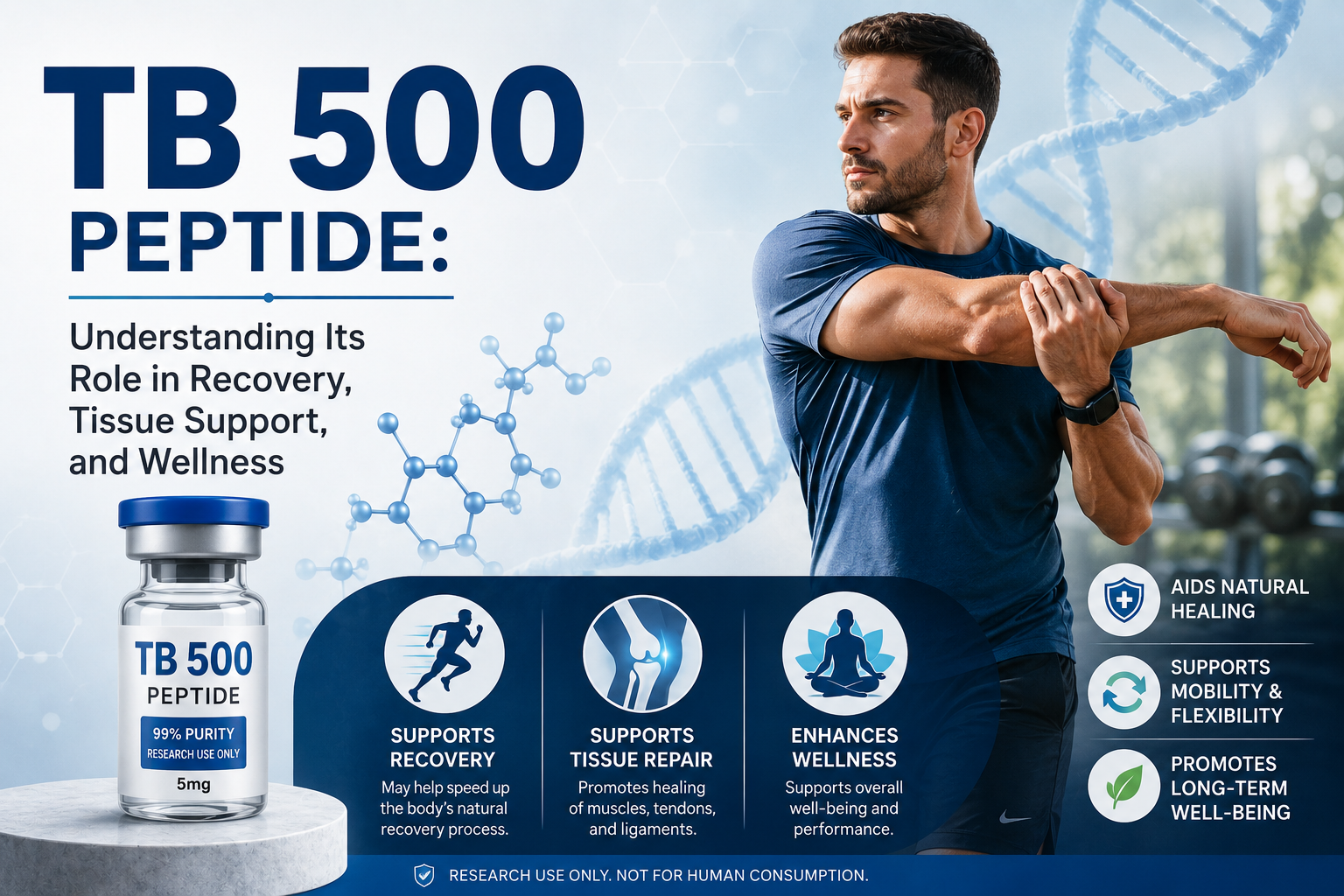
The human body has a natural ability to repair damaged tissues, but recovery speed can vary depending on factors such as age, lifestyle, physical activity, nutrition, and overall health. In recent years, peptides have gained attention in research communities because of their potential role in supporting various biological processes. tb 500 peptide is one such peptide that has become a topic of interest among people exploring advanced recovery and wellness approaches. It is a synthetic peptide related to Thymosin Beta-4, a naturally occurring protein found in the body that plays a role in cellular activity, tissue repair processes, and regeneration pathways.
While research continues to explore its potential applications, understanding how TB 500 peptide works, its research background, and important safety considerations is essential before considering any peptide-based approach.
What Is TB 500 Peptide?
TB 500 peptide is a laboratory-produced peptide designed to replicate certain biological properties associated with Thymosin Beta-4. Thymosin Beta-4 is naturally present in many tissues and is involved in processes such as cell migration, formation of new blood vessels, and tissue remodeling.
Researchers have studied Thymosin Beta-4 because of its involvement in the body’s natural repair mechanisms. TB 500 peptide is often discussed in connection with recovery support, particularly in research related to muscles, tendons, and other connective tissues.
It is important to understand that TB 500 peptide is not approved as a prescription treatment for injuries or medical conditions in many countries, and more human research is needed to fully understand its effectiveness and safety.
How Does TB 500 Peptide Work?
TB 500 peptide is believed to interact with biological pathways associated with tissue maintenance and repair. Research on Thymosin Beta-4 suggests that it may influence:
- Cell migration: Supporting the movement of cells involved in natural repair processes.
- Blood vessel formation: Playing a role in angiogenesis, which helps deliver oxygen and nutrients to tissues.
- Tissue remodeling: Supporting the body’s ability to maintain and rebuild damaged areas.
- Inflammation response: Being studied for its relationship with the body’s natural inflammatory processes.
These mechanisms are still under scientific investigation, and results from laboratory studies do not always translate directly into proven benefits for humans.
Potential Areas of Research Interest
1. Muscle and Physical Recovery
Athletes and active individuals often look into peptides because recovery after intense physical activity is an important part of performance and long-term wellness. TB 500 peptide has been researched in relation to tissue repair pathways that may be involved in muscle recovery.
However, proper training, adequate protein intake, hydration, sleep, and injury management remain the foundation of effective recovery.
2. Connective Tissue Support
Tendons, ligaments, and other connective tissues generally recover more slowly compared to muscles. Research involving Thymosin Beta-4 has examined its possible relationship with connective tissue repair processes.
More clinical studies are required to determine how these findings apply to humans.
3. Cellular Health Research
Peptide research continues to grow as scientists investigate how specific molecules interact with cells. TB 500 peptide remains an area of interest because of its connection with natural cellular communication pathways.
TB 500 Peptide and Modern Wellness Research
The growing interest in peptides reflects a broader shift toward understanding how biological molecules can influence health and recovery. Unlike traditional supplements, peptides work by interacting with specific biological signals inside the body.
Experts emphasize that peptide research should be approached carefully. Quality, sourcing, medical guidance, and scientific evidence are important factors when evaluating any peptide-related product or therapy.
Factors to Consider Before Using TB 500 Peptide
Before considering any peptide, individuals should focus on safety and informed decision-making. Important factors include:
- Consulting a qualified healthcare professional
- Understanding current scientific evidence
- Checking product quality and reliability
- Considering personal health conditions and medications
- Avoiding products with unclear ingredients or sources
Self-directed use of research peptides may carry risks, especially when products are not regulated or properly tested.
The Importance of Expert Guidance
Peptide-related treatments and research compounds require professional oversight because individual health needs are different. A healthcare provider can help evaluate whether a particular approach is appropriate based on medical history, goals, and current health status.
Reliable information, responsible decision-making, and evidence-based guidance are essential when exploring emerging areas such as peptide science.
Conclusion
TB 500 peptide continues to attract attention because of its connection with Thymosin Beta-4 research and biological processes related to cellular activity, tissue maintenance, and recovery pathways. Although early research has created interest around its potential applications, further human studies are needed to establish clear benefits and safety guidelines.
Anyone interested in peptide-based wellness approaches should prioritize scientific information, professional advice, and high-quality sources. Understanding both the possibilities and limitations of emerging therapies is the best way to make informed health decisions.
Frequently Asked Questions (FAQs)
What is TB 500 peptide used for?
TB 500 peptide is mainly discussed in research settings related to tissue repair, cellular activity, and recovery processes. Its clinical applications require further scientific investigation.
Is TB 500 peptide approved for medical treatment?
TB 500 peptide is not widely approved as a medical treatment for injuries or diseases. Research is ongoing to understand its potential effects.
How is TB 500 peptide different from supplements?
Supplements typically provide nutrients, while peptides are biological molecules that interact with specific cellular pathways. Their effects and safety profiles are different.
Can TB 500 peptide improve recovery?
Research suggests possible connections with natural repair pathways, but more human studies are required to confirm specific recovery benefits.
Should I consult a doctor before using peptides?
Yes. Consulting a qualified healthcare professional is recommended before using any peptide-related product or therapy.