Deciding how to replace a missing tooth usually comes down to balancing three things: how much it costs, how comfortable the daily experience will be, and how long the results will actually last. For people weighing a more permanent solution against something removable, comparing dental implants Bowling Green KY against other options is often the first real step in making that decision with confidence.
How Implants Compare to Other Options
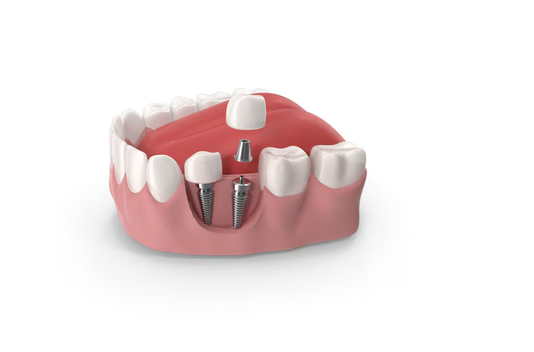
A bridge relies on neighboring teeth for support, which means those teeth need to be shaped down to anchor the replacement, even if they were previously healthy. A removable partial denture avoids altering other teeth but comes with the tradeoff of taking it in and out daily and sometimes feeling less stable while eating. An implant, by contrast, stands on its own, anchored directly into the jawbone without relying on or altering any neighboring teeth.
This independence is a big part of why implants have become a preferred option for many patients, particularly when a single tooth needs replacing and the surrounding teeth are otherwise healthy. The tradeoff is a longer treatment timeline and typically a higher upfront cost compared to a bridge or partial.
What Determines the Overall Cost
Pricing depends on several factors, including whether a bone graft is needed beforehand, the type of crown selected, and whether one tooth or several are being replaced. A single implant with a straightforward placement tends to cost less than a case requiring additional bone grafting or sinus lift procedures. Anyone researching dental implants Bowling Green KY should expect a detailed cost breakdown during the initial consultation, since pricing varies quite a bit based on individual circumstances.
While the upfront investment is often higher than alternatives, many patients find that the durability of an implant, often lasting decades with proper care, makes the long-term value comparable to or better than repeatedly replacing a bridge or adjusting a removable denture over the years.
The Comfort Factor Over Time
Because an implant is anchored in the bone rather than resting on the gums or clipping onto other teeth, most patients describe the sensation as very close to a natural tooth once healing is complete. There’s no need to remove it for cleaning, and it doesn’t shift or click while eating or speaking the way a poorly fitted removable option sometimes can.
This comfort comes after a healing period that requires patience, since the bone needs several months to properly fuse around the implant post. For people focused on long-term comfort over a faster fix, this tradeoff tends to feel worthwhile.
Who Might Need to Explore Alternatives First
Not everyone is an immediate candidate for an implant. People with significant bone loss, certain uncontrolled health conditions, or heavy smokers may need additional steps, or in some cases a different approach altogether, before this option becomes viable. A thorough evaluation, often including imaging of the jawbone, helps determine the best path forward for each individual case.
Making the Final Decision
There’s rarely a single right answer for every situation. Some patients prioritize the fastest, least expensive fix, while others are willing to invest more time and money for a solution that’s expected to last significantly longer. Walking through the pros, cons, and total cost of each option with a dental provider tends to make this decision much clearer.
Final Thoughts
Replacing a missing tooth is rarely a decision made lightly, and understanding how the available options stack up against each other in cost, comfort, and durability makes it much easier to choose confidently. Taking the time to ask detailed questions during a consultation is usually the best way to land on the option that truly fits your situation.