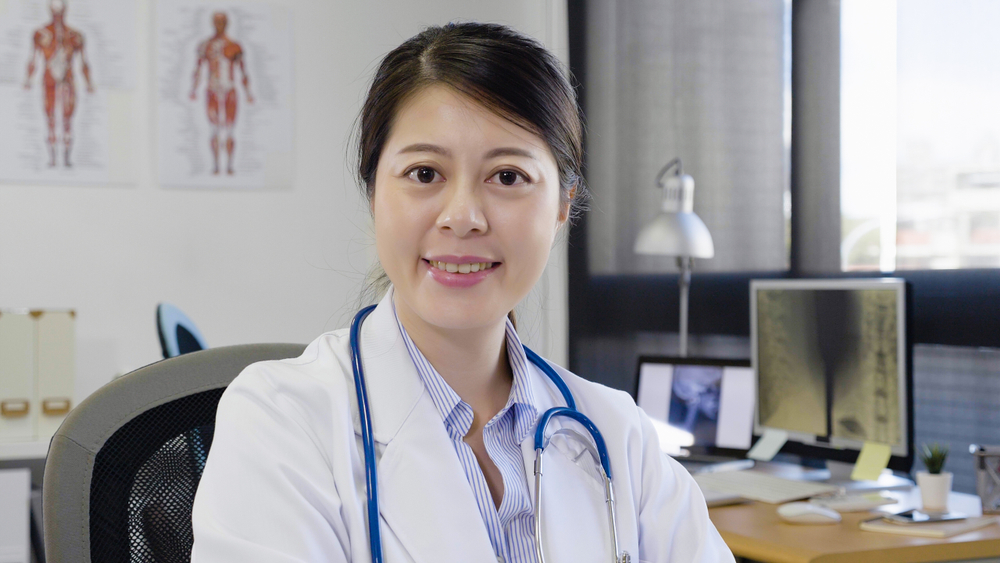
Pembroke Pines has quietly become one of Broward County’s most diverse cities, with 173,194 residents as of the latest American Community Survey estimates and 42.3% of the population born outside the United States — nearly double Florida’s statewide foreign-born rate and almost triple the national average. Within that diversity, the city’s Asian population, roughly 5% of residents, has been steadily growing alongside broader Korean community growth across South Florida, where Florida is now home to an estimated 43,472 Korean residents statewide, according to Census Bureau data.
As that community has grown and aged in place, a clear pattern has emerged: more families are specifically seeking out a Korean doctor in Pembroke Pines for their long-term primary care needs, rather than defaulting to the nearest available provider. This isn’t a matter of preference alone — it’s backed by real research on how language and cultural fluency shape health outcomes, especially for aging first-generation immigrants managing chronic conditions over decades of care.
The Research Behind Language-Concordant Care
The push toward finding a Korean doctor in Pembroke Pines isn’t simply cultural comfort — it’s grounded in measurable health outcomes. Studies on Korean American populations have consistently found that limited English proficiency (LEP) is associated with significantly higher odds of adverse health outcomes. One study of Korean American older adults found that more than 70% of participants had limited English proficiency, and that this group experienced worse self-reported health, delayed diagnoses, and lower rates of preventive screening compared to English-proficient peers.
This isn’t unique to Korean Americans — it’s a well-documented pattern across immigrant populations broadly. But it hits particularly hard in communities where medical terminology, dosage instructions, and symptom descriptions rely on nuance that a rushed interpreter or translation app simply can’t capture. When a patient can describe their symptoms accurately and understand their treatment plan without a communication filter, diagnostic accuracy and medication adherence both improve — which is exactly the value proposition families are pursuing when they search for a Korean doctor in Pembroke Pines.
Why This Matters More for Long-Term Care Than a Single Visit
A single urgent care visit can survive some communication friction. Long-term primary care cannot. Managing a chronic condition like diabetes, hypertension, or hepatitis B requires years of consistent follow-up, medication adjustments, and honest conversations about diet, symptoms, and lifestyle — all of which depend on a level of trust and clarity that’s difficult to build through an interpreter relationship that changes from visit to visit.
Research on Korean American health disparities has documented disproportionately high rates of hepatitis, diabetes, hypertension, and gastric cancer within this population, alongside some of the highest overall cancer mortality rates among Asian American subgroups. Managing these conditions effectively over a lifetime requires a provider relationship built on continuity — not a one-time appointment, but a long-term partnership. That’s precisely the kind of relationship families in Pembroke Pines are building when they choose a Korean doctor in Pembroke Pines as their primary care provider rather than switching between whichever in-network physician happens to be available each year.
First-Generation Immigrants: Where the Need Is Greatest
For first-generation Korean immigrants who settled in South Florida decades ago, English fluency often plateaus at a functional level — enough for daily life, but not always enough for nuanced medical conversations about lab results, medication side effects, or end-of-life planning. As this generation ages into their 60s, 70s, and 80s, the complexity of their healthcare needs increases precisely as their comfort navigating English-language medical systems may decline, particularly for those managing cognitive changes or multiple chronic conditions simultaneously.
This is the population for whom finding a Korean doctor in Pembroke Pines often matters most urgently. A physician who can conduct an entire visit in Korean — discussing everything from insulin dosing to advance directives — removes an entire layer of risk from the care process. It also means family members don’t have to serve as informal medical interpreters during every appointment, a role that can create its own stress and potential for miscommunication, especially with sensitive diagnoses.
Second-Generation Families and the “In-Between” Need
Interestingly, the demand for a Korean doctor in Pembroke Pines isn’t limited to first-generation immigrants alone. Many second-generation Korean American adults, even those fully fluent in English, still choose Korean-speaking physicians for their aging parents or grandparents, recognizing that comfort and trust matter as much as technical language ability. Some also prefer this option for themselves, valuing a provider who understands culturally specific dietary patterns, family dynamics, and health beliefs without needing lengthy explanation.
This layered demand — spanning both elderly first-generation patients and their English-fluent adult children coordinating care — has made bilingual primary care one of the more resilient niches within South Florida’s broader healthcare market.
Cultural Fluency Beyond Language Alone
Choosing a Korean doctor in Pembroke Pines offers benefits that go beyond simply speaking the same language. Cultural fluency means understanding:
- Traditional dietary patterns, including high-sodium and fermented foods linked to elevated gastric cancer and hypertension risk in Korean populations
- Cultural stigma around discussing mental health openly, which often requires a more indirect, trust-building approach than a Western-style direct inquiry
- Family decision-making structures, where adult children may be heavily involved in a parent’s care decisions
- Traditional remedies or supplements patients may be using alongside prescribed medication, which a culturally fluent provider is more likely to proactively ask about
These aren’t minor details — they directly affect diagnostic accuracy, treatment adherence, and the honesty of the information a patient is willing to share during a visit.
What to Look for in a Long-Term Primary Care Physician
Families searching for a Korean doctor in Pembroke Pines for ongoing, long-term care should consider a few key factors beyond language ability alone:
- Continuity of care. A provider who can serve as a consistent point of contact over years, rather than a rotating cast of physicians, is especially valuable for chronic disease management.
- Preventive screening awareness. Given elevated rates of gastric, liver, and cervical cancer within Korean populations, a provider familiar with these risk patterns is more likely to recommend appropriately timed screenings.
- Care coordination support. Look for a practice that can help coordinate referrals to specialists, ideally ones who also offer language support or work well with interpretation services when needed.
- Accessibility for aging patients. Proximity to home, ease of scheduling, and comfort with mobility-limited or memory-impaired patients matter significantly as patients age within the same practice over time.
- Transparent communication about insurance and costs. Whether the practice accepts Medicare, private insurance, or operates on a different payment model, clear communication in Korean about costs prevents confusion that can otherwise deter patients from seeking care.
The Broader South Florida Context
Pembroke Pines sits within a broader South Florida region — spanning Broward and Palm Beach counties — where Korean-owned businesses, churches, and community organizations have grown steadily over the past several decades. As this community has aged, demand for culturally and linguistically matched healthcare has grown right alongside it, extending well beyond primary care into specialties like cardiology, endocrinology, and oncology. But primary care remains the foundation, since it’s the relationship patients return to most consistently and the one most responsible for catching problems early.
Frequently Asked Questions
Is it harder to find a Korean-speaking doctor outside major cities like Miami? Availability can vary, but growth in Broward County’s Korean and broader Asian population has expanded access to bilingual providers in cities like Pembroke Pines, even outside traditional urban centers with larger established Korean communities.
Do Korean-speaking physicians only serve Korean patients? No. Most Korean-speaking primary care physicians serve a broad patient base and simply offer the added benefit of language concordance for Korean-speaking patients and families who prefer it.
Why does continuity of care matter so much for aging patients? A consistent provider builds a long-term understanding of a patient’s medical history, medication changes, and risk factors over time — something that’s especially valuable for managing chronic conditions common in Korean American populations, like diabetes and hypertension.
The Bottom Line
The growing preference for a Korean doctor in Pembroke Pines reflects something bigger than convenience — it’s a response to well-documented research showing that language and cultural fluency directly affect health outcomes, particularly for aging first-generation immigrants managing complex, long-term conditions. As Pembroke Pines and the broader Broward County region continue to diversify, that demand isn’t likely to slow down. For families weighing their long-term healthcare options, taking the time to find a provider who can communicate clearly, understand cultural context, and build a lasting relationship may be one of the most impactful healthcare decisions they make.
References
- U.S. Census Bureau — American Community Survey, Pembroke Pines, FL Demographic Profile
- U.S. Census Bureau — American Community Survey, Korean Population by State
- Census Reporter — Pembroke Pines, FL Foreign-Born Population Data
- Journal of Immigrant and Minority Health — Health Disparities and Limited English Proficiency Among Korean American Older Adults
- Korean American Health Conference — Korean American Community Health Statistics
- PMC / National Institutes of Health — Barriers to Healthcare Access Among Korean Communities in the Southern USA
This article is for general educational purposes and does not replace personalized medical advice. Always consult a licensed healthcare provider regarding your individual health needs.