
What makes some stories stay with readers long after the final page is often the emotional honesty behind them. A good plot matters, but readers usually remember how a story made them feel. This is especially true in works rooted in personal struggle, survival, and human resilience. Author Bill Beebe understands this dynamic well, using emotion not as decoration but as the foundation of his storytelling approach.
Through grounded narratives and realistic human experiences, Bill Beebe writes in a way that feels genuine, as if the stories come directly from lived experience. His writing reflects hardship, loyalty, fear, courage, and reflection in ways that resonate naturally with readers. In Before We Were Heroes: Southern Fires, these emotional layers become especially visible, creating a reading experience that feels personal and immersive without becoming overly dramatic.
What makes Beebe’s work compelling is his ability to communicate emotion with restraint. Instead of forcing sentimentality, he allows moments, conversations, and environments to carry emotional weight organically. Because of this understated style, readers naturally become invested in both the characters and the world around them.
Emotional Themes in His Writing
One of the strongest aspects of Bill Beebe’s writing is his exploration of emotional realism. His stories often focus on ordinary individuals facing extraordinary conditions, which creates a strong emotional foundation. Rather than relying on exaggerated drama, Beebe emphasizes emotional tension through difficult choices, environmental danger, and personal endurance.
Themes such as brotherhood, sacrifice, isolation, and resilience frequently appear throughout his storytelling. These emotions work so well because they feel grounded in real experiences and believable situations. Readers do not just watch the story unfold they feel the emotional weight of it alongside the characters.
In Before We Were Heroes: Southern Fires, emotional weight comes from the atmosphere surrounding the characters as much as from the events themselves. The uncertainty of dangerous work, the pressure of survival, and the quiet emotional burdens carried by individuals all contribute to the story’s impact. Beebe’s writing recognizes that emotional experiences are often subtle rather than explosive.
Another notable quality is the way he portrays masculinity and vulnerability together. Many authors struggle to balance toughness with emotional honesty, but Bill Beebe approaches both naturally. His characters are capable and resilient, yet they also carry fear, doubt, and emotional exhaustion. This balance gives the narrative emotional credibility and helps readers connect more deeply with the human side of the story.
Techniques Used to Build Emotional Depth
Bill Beebe’s emotional storytelling works because of the techniques he uses beneath the surface. His writing style avoids unnecessary complexity while still delivering layered emotional meaning. Several literary techniques contribute to the emotional depth found in his work.
Character Development
Strong character development is central to emotional storytelling, and this is an area where Bill Beebe performs particularly well. His characters are not idealized heroes or exaggerated personalities. Instead, they feel grounded in reality, shaped by their environments, responsibilities, and experiences.
In Before We Were Heroes: Southern Fires, readers gradually understand characters through their actions, reactions, and relationships rather than through heavy exposition. This method creates a sense of realism because people in real life reveal themselves slowly over time.
Beebe also gives emotional significance to small details. Small details like exhaustion, silence, routine conversations, and quiet observations help the characters feel human. These understated details allow readers to form emotional attachments naturally instead of being told how to feel.
Another effective aspect of his character writing is emotional restraint. Like real people, the characters often keep their emotions to themselves. As a result, emotional moments often feel more powerful because they emerge quietly and authentically.
Dialogue Style
Dialogue plays a major role in shaping emotional tone within Bill Beebe’s work. His conversations feel natural, grounded, and reflective of real-world speech patterns. Rather than using dialogue purely for exposition, he uses it to reveal emotional tension, personality, and interpersonal dynamics.
One reason the dialogue feels effective is because it avoids excessive dramatization. Characters speak in ways that fit their environment and experiences, which strengthens the realism of the narrative. Some of the strongest emotional moments come from what characters avoid saying.
This understated style is particularly effective in stories dealing with hardship and survival. In emotionally intense situations, realistic dialogue tends to become shorter, more practical, and emotionally guarded. Beebe captures this dynamic well, creating conversations that feel believable while still carrying emotional meaning.
The dialogue also contributes to pacing. Emotional moments are given room to breathe without slowing the narrative unnecessarily. This balance keeps readers engaged while maintaining the reflective quality that defines much of his writing.
Reader Emotional Connection
One of the clearest signs of effective storytelling is a reader’s emotional connection to the material. Bill Beebe’s writing succeeds in this area because his stories feel personal rather than distant.
Readers often connect most strongly with narratives that reflect genuine human experience. Beebe’s focus on struggle, uncertainty, and resilience creates emotional familiarity even for readers who have never experienced the specific situations described in his work. Themes of endurance, loyalty, fear, and personal responsibility are universal, allowing audiences from different backgrounds to relate to the emotional core of the story.
Another reason readers connect with his writing is the immersive atmosphere he creates. The environments in his stories are not passive backdrops; they influence emotions, decisions, and relationships. The environment itself almost feels like another character in the story.
This emotional immersion is particularly important in contemporary author storytelling, where readers increasingly seek authenticity. Many audiences today are drawn to books that feel emotionally honest rather than overly polished or formulaic. Bill Beebe’s writing reflects that authenticity through its grounded tone and realistic emotional perspective.
Examples from Before We Were Heroes (Non-Spoiler)
Without revealing spoilers, Before We Were Heroes: Southern Fires demonstrates many of Bill Beebe’s strongest emotional storytelling qualities. Instead of relying on dramatic twists, the book builds emotion through realism and atmosphere.
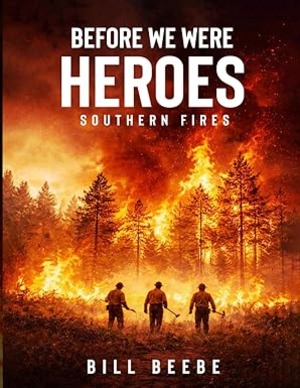
One notable aspect is the constant emotional pressure surrounding the characters. The sense of unpredictability and physical danger shapes every interaction, giving even quieter scenes emotional significance. Readers can feel the exhaustion, tension, and uncertainty that define the characters’ world.
The book also explores emotional isolation in subtle ways. Characters often carry emotional burdens internally, which reflects the cultural realities of tough working environments where vulnerability is not openly expressed. This restraint makes emotional moments more impactful because they emerge naturally through behavior and circumstance.
Another strength of Before We Were Heroes: Southern Fires is its portrayal of camaraderie. The relationships between characters are built through shared hardship rather than sentimental dialogue. The relationships feel believable because trust and loyalty develop naturally over time.
Perhaps most importantly, the novel captures the emotional complexity of ordinary individuals placed in extraordinary conditions. Rather than presenting simplistic heroism, Bill Beebe explores the emotional cost of survival, responsibility, and sacrifice.
Final Reflection on Emotional Impact
Bill Beebe’s writing stands out because it prioritizes emotional truth over artificial drama. His work shows that powerful storytelling does not always need dramatic scenes or overly emotional language. Instead, it emerges through realistic characters, authentic dialogue, immersive settings, and carefully observed human behavior.
In Before We Were Heroes: Southern Fires, these qualities combine to create a narrative that feels emotionally grounded and deeply human. Readers connect with the struggles, emotions, and experiences in a way that feels personal.
As contemporary readers continue searching for authentic literary voices, Bill Beebe’s work offers a strong example of emotionally driven storytelling rooted in realism and lived experience. In many ways, Bill Beebe proves that the quietest moments in a story are often the ones readers remember the most. The moments shaped by endurance, reflection, loyalty, and humanity itself.