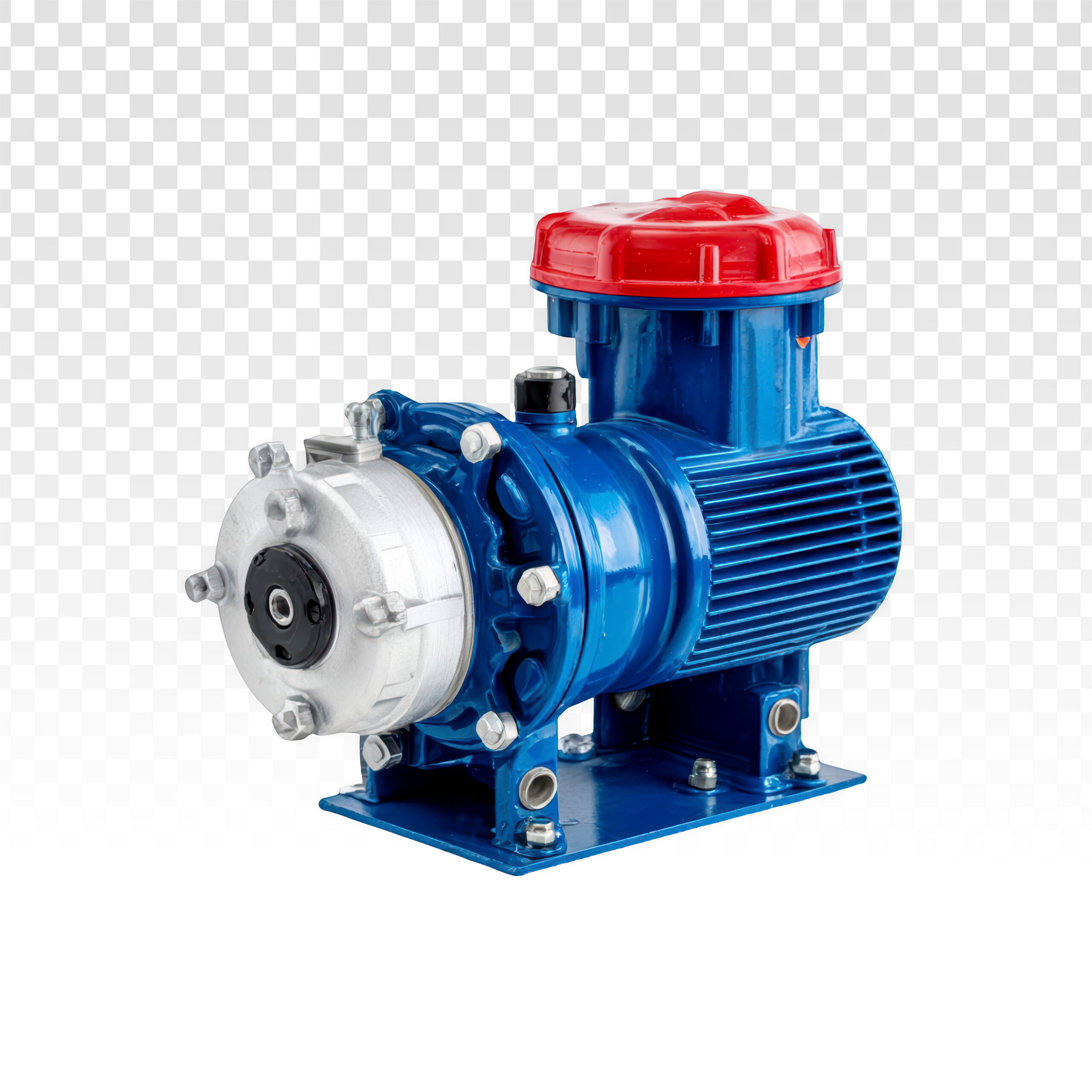
Digging a well and turning on the faucet are no longer the only ways to manage water. Efficiency and sustainability are the main drivers of innovation in 2026, driven by the convergence of mechanical engineering and renewable energy. The technology utilized to transport this essential resource must change as the world’s population increases and water supplies become more valuable. The equipment we select determines our success in handling the most important liquid in the world, from the tiny demands of a home garden to the enormous demands of industrial agriculture.
The Evolution of Small-Scale Fluid Dynamics
Finding the ideal mix between power and size is frequently the key to effectively moving water for many homeowners and hobbyists. The mini water pump has become widely used in many innovative and useful applications due to recent developments in compact engineering. Despite their diminutive size, these gadgets use high-torque brushless motors that produce substantial lift while consuming little energy.
These little solutions are becoming the foundation of hydroponic systems and vertical plants in urban settings. They enable city people to cultivate food in constrained areas by precisely moving nutrients and water. In addition to ensuring that every drop of water is used as efficiently as possible, this move toward localized food production lowers the carbon footprint related to transportation.
Precision Engineering For Industrial Reliability
While small-scale applications are crucial, the industrial and agricultural sectors require varying levels of resilience. The traditional motor pump is still a mainstay in many industries despite tremendous technological improvements. These days, the machinery can adjust its production in response to current demand thanks to clever sensors and variable frequency drives (VFDs).
This degree of accuracy is essential to avoiding water waste. Compared to earlier, fixed-speed models, smart pumping systems can save energy usage by up to 35%, according to recent industrial reports. The demand for more effective resource management in manufacturing and heavy industry was a major factor in the industrial pump market’s estimated valuation of over 70 billion dollars in 2025, according to global statistics.
Harnessing The Power Of Renewable Energy
The transition to energy independence has perhaps been the biggest change in recent years. The solar pump has become a ground-breaking option in rural locations where the power infrastructure is either nonexistent or unreliable. These systems provide a steady supply of water for irrigation and animals without the continuous expense of fuel or power by directly converting solar energy into mechanical energy.
This technology is not limited to isolated areas. Homeowners are incorporating renewable energy into their landscaping even in developed suburban regions. A high-efficiency solar pump may operate pond filtration systems or ornamental fountains all day long, drastically reducing monthly utility costs. The transition to sun-powered water movement reflects a broader global trend where 40% of new agricultural installations now prioritize renewable energy sources over traditional fossil fuels.
Smart Integration And The Future Of Water Tech
The emphasis is moving from isolated gadgets to interconnected ecosystems as the decade draws to a close. An AI-driven moisture sensor combined with a mini water pump can maintain a greenhouse without the need for human involvement, as the modern expert knows. What sets a smart solution apart from a basic tool is the synergy between hardware and software.
According to hydraulic engineering experts, material science is the next frontier. Manufacturers are prolonging the life of these devices by decades by utilizing improved alloys and corrosion-resistant polymers. This durability is crucial for cutting down on technological waste and guaranteeing that infrastructure investments are profitable in the long run.
Ensuring Quality In Every Component
Reliability is the only factor that really counts when choosing equipment for important water management operations. Crop losses can be catastrophic if a motor pump fails during a peak irrigation cycle. As a result, experts frequently seek out companies that place a high value on thorough testing and human-centered design.
Businesses like OK Electrical Company have established a benchmark for endurance in this cutthroat industry. They guarantee that the technology works under strain by concentrating on the particular requirements of the end-user, whether they are a residential developer or a large-scale farmer. Communities are able to construct resilient water systems that can endure the difficulties posed by a changing environment because of this dedication to quality.
Case Studies In Effective Water Management
Consider a development project in an arid region. By constructing a system of interconnected reservoirs and strong pumping stations, one may transform land into a prosperous community. Small pumps for home plumbing and centrifugal pumps for main water lines are used in these projects. According to data from 2026, property values in municipalities with water systems rise by 20%. Additionally, they observe a 15% drop in medical expenses associated with water cleanliness. It is imperative to invest in pumping technology. The community benefits from it. enhances the technology. These numbers demonstrate that purchasing top-notch pumping technology is both a technical and socioeconomic requirement.
Practical Tips For Optimal Performance
Proper installation and routine maintenance are essential to maximizing the performance of any pumping system. The significance of tailoring the pump’s head height and flow rate to the particular demands of the activity is often overlooked by users.
- Frequent Inspections: Look for leaks or odd sounds that can point to interior deterioration.
- Clean Filters: To avoid motor strain, make sure that intakes are clear of debris.
- Appropriate Sizing: Using a pump that is too strong or too weak can be equally harmful.
From a basic utility unit to an advanced industrial system, users may guarantee that their equipment will continue to function for many years to come by adhering to these straightforward instructions.
Frequently Asked Questions
What are solar-powered pumps’ primary benefits?
Because they lower electricity costs and provide a reliable water source in off-grid areas, solar-powered systems are particularly affordable and sustainable over time.
How does a variable frequency drive improve a pump’s efficiency?
A variable frequency drive removes unnecessary energy use and internal component wear by allowing the motor to modify its speed in response to the actual water demand.
Is it possible to use small water pumps for large-scale irrigation?
Several mini pumps can be employed in hydroponic or precision irrigation systems to precisely distribute water where it is needed, even if a single device cannot manage a huge farm.
What aspects need to be considered while choosing between an AC and DC motor?
While AC motors are frequently appropriate for high-power, grid-connected industrial applications, DC motors are ideal for battery-powered or solar-integrated systems.
How often should a normal water pump be serviced?
Most experts recommend a thorough examination at least once a year, high-use industrial systems may require more frequent inspections to ensure maximum performance.