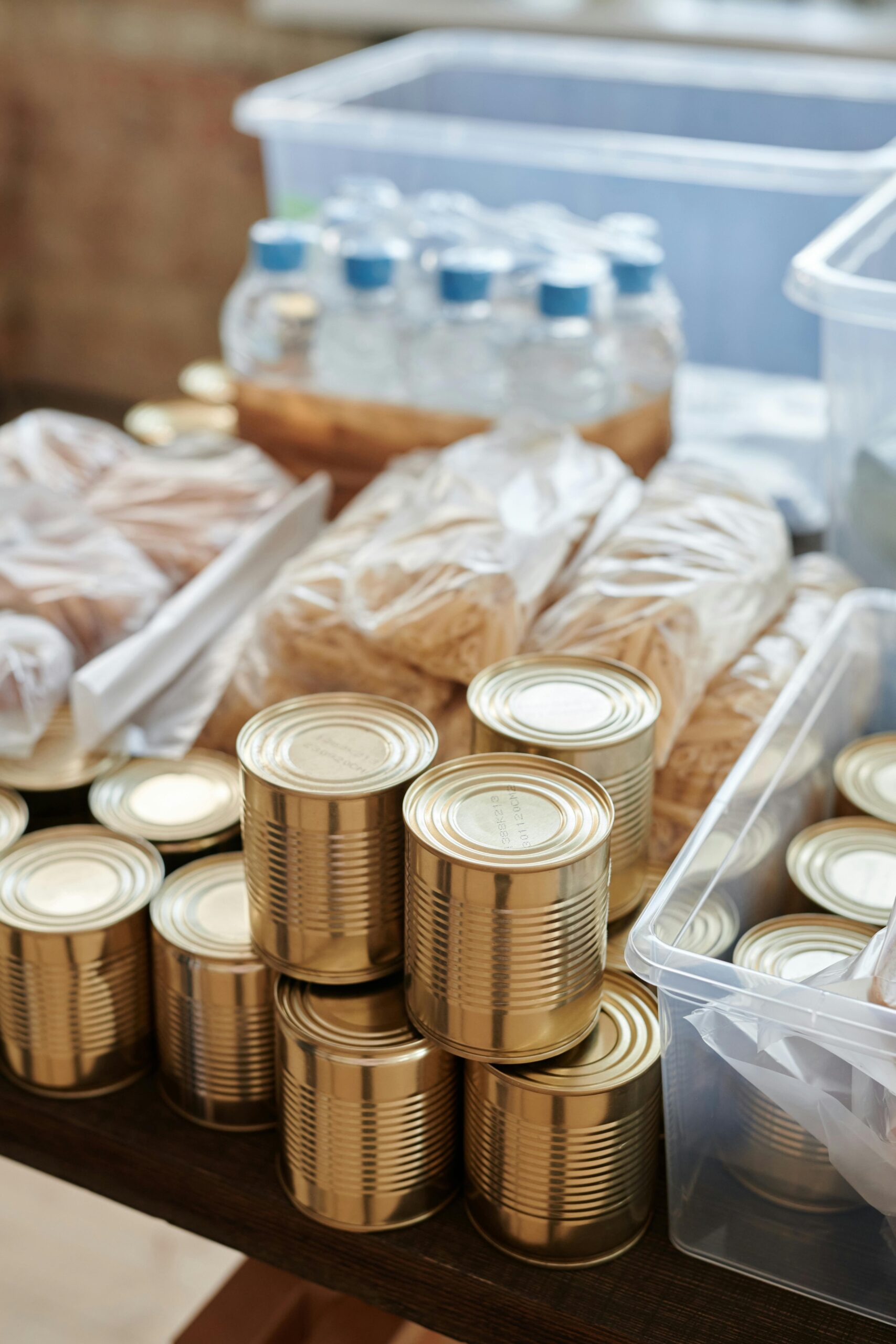
Hunger isn’t always a distant problem on a news screen; often, it lives just a few streets away. In 2026, with the cost of living still putting a massive strain on family budgets, more people than ever are skipping meals just to keep the lights on. It’s a quiet crisis. You might see a neighbor who looks perfectly fine on the outside, but their pantry is completely bare. This reality is why local community support has become the true frontline against food insecurity. We aren’t just talking about charity anymore; we are talking about basic human solidarity.
Organizations like Be The Mercy are helping bridge this gap by supporting local families with food assistance, community outreach, and acts of compassion that restore dignity during difficult times.
The Rising Demand For Local Food Security
In the last year alone, the number of families relying on local pantries has jumped significantly. When people search for food bank donations, they aren’t just looking for a place to drop off extra cans of beans. They are looking for a way to connect with their community and solve a problem that feels overwhelming. Modern food banks have evolved. They no longer just accept whatever is left over in your cupboard; they now focus on high-quality, nutritious ingredients that help people maintain their health and dignity.
- Nutritional Focus: Pantries now prioritize fresh produce, dairy, and lean proteins over just boxed snacks.
- Accessibility: Many local centers have extended their hours to accommodate the working poor who can’t visit during a typical nine-to-five window.
- Dignity-Based Models: Some locations now use a market-style layout where families can choose what they need rather than receiving a pre-packed box.
Expert insights from social workers suggest that the biggest hurdle to feeding the hungry is often logistics, not a lack of food. The food is there; we just need better ways to get it to the people who are struggling. By checking for food bank donations near you, you contribute to a localized system that reduces waste and ensures that fresh items don’t sit on a shelf for months.
The Role Of Faith-Based Compassion
Faith has always been a massive driver for humanitarian work. In many urban and suburban areas, you will find a muslim charity helping the needy through soup kitchens, community fridges, and grocery vouchers. These initiatives aren’t just for one group of people. In the spirit of universal compassion, these services are open to everyone, regardless of their background or beliefs. The core idea is simple: nobody should go to bed hungry while their neighbor has a full stomach.
A muslim charity helping the needy often operates on the concept of Sadaqah—voluntary charity that is given out of a sincere desire to help. This often results in a very personal touch. You might see volunteers delivering hot meals to the elderly or setting up temporary stalls in low-income housing complexes. In 2026, these groups are also focusing heavily on Zakat-eligible food projects, ensuring that religious obligations are met by providing long-term food security to the most impoverished members of society.
Impactful Ways To Give Beyond The Can
If you really want to make a difference, you have to think strategically. While a bag of pasta is great, many organizations actually prefer cash donations. Why? Because they have buying power. A local charity can often buy ten times more food with ten dollars than you can at the grocery store because they have access to wholesale prices and bulk distributors.
What To Donate For Maximum Impact:
- Protein-Rich Foods: Canned tuna, peanut butter, and dried lentils are always in high demand.
- Hygiene Products: Things like soap, toothbrushes, and feminine products are often overlooked but desperately needed.
- Baby Essentials: Diapers and formula are some of the most expensive items for a struggling family to buy.
- Cash Contributions: This allows the center to buy fresh milk, eggs, and bread, which cannot be easily stored in a donation bin.
Statistics That Highlight The Need
The data for 2026 shows that nearly 1 in 8 households still struggle with food insecurity at some point during the year. This isn’t just a statistic; these are real children trying to learn on an empty stomach and elderly citizens choosing between medication and a meal. However, the good news is that community giving is also on the rise. More people are realizing that they don’t need to be millionaires to help. A small, consistent habit of giving can keep a local pantry running for an entire season.
Experts point out that when a community is well-fed, crime rates often drop and school performance improves. It’s a ripple effect. Feeding someone today isn’t just about the next few hours; it’s about giving them the stability they need to find a job or finish their education. It is an investment in the future of the entire town.
Finding Your Place In The Mission
At the end of the day, the best way to help is to just start. Don’t wait until you have a huge box of stuff to give. Whether you are volunteering your time on a Saturday morning or setting up a recurring small donation, your contribution matters. We are all responsible for the well-being of the people around us.
When we look back at this era, let it be said that we didn’t look away when things got tough. Let it be said that we stepped up, reached out, and made sure that community was more than just a word on a map. It starts with one person, one meal, and one act of kindness.
Frequently Asked Questions
Can I donate fresh produce from my own garden?
Many local pantries love receiving fresh home-grown vegetables! However, you should always call ahead first. Some smaller centers might not have the refrigeration space to keep fresh items from spoiling, so it’s best to coordinate a drop-off time on the day they distribute food to families.
Is it better to donate food or money?
While physical food is always welcome, money is usually more flexible. It allows the organization to buy exactly what they are low on, such as fresh meat or milk. Plus, charities often have partnerships with wholesalers that allow them to stretch a single dollar much further than a regular shopper could at a retail store.
Are there specific items that food banks cannot accept?
Most places cannot accept homemade meals, opened packages, or items that are past their expiration date. They also generally avoid glass jars because they can break easily during transport and pose a safety risk to the volunteers and the families receiving the food.
How can I find out which items are most needed right now?
The best way is to check the social media pages or websites of your local centers. They often post Current Needs lists that change week to week. One week, they might have too much rice but be completely out of cooking oil or infant diapers.
Do I have to be part of a certain religion to receive help from a faith-based charity?
Absolutely not. Whether it is a church, a synagogue, or a mosque-led initiative, the vast majority of faith-based charities provide aid to anyone in need. Their mission is to serve humanity as a whole, and they do not discriminate based on your personal beliefs or background.