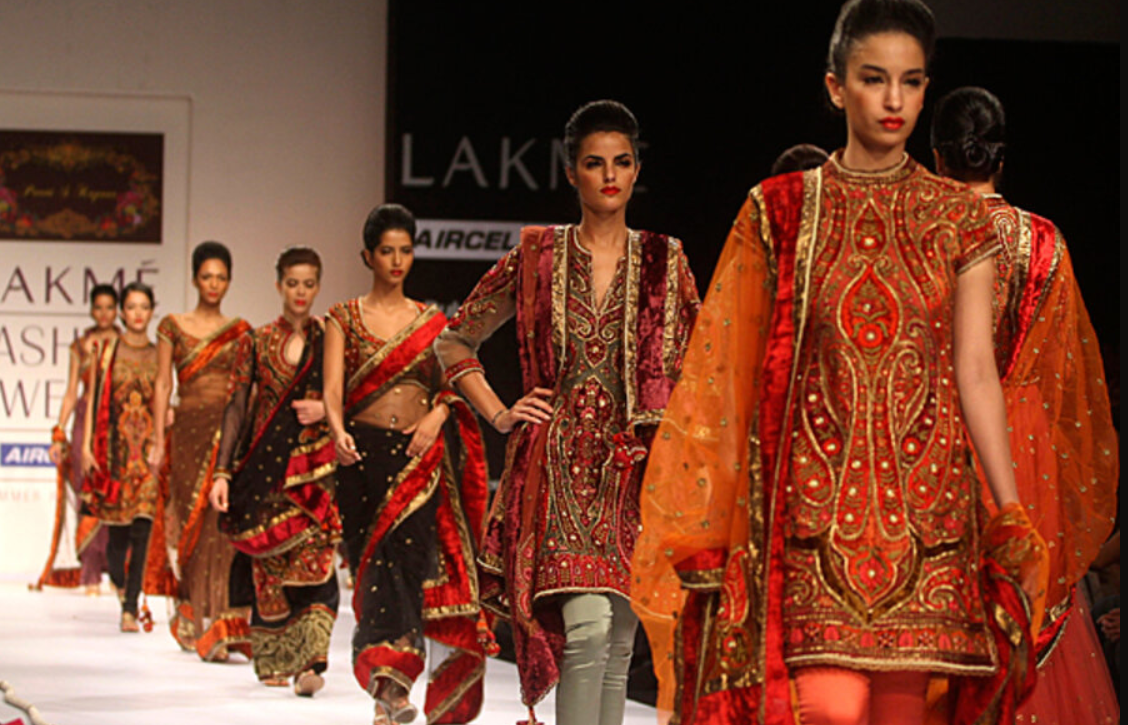
When was the last time you walked into a wedding and noticed how everyone’s outfit told a different story? The bride’s cousin wore a sleek palazzo suit. Your friend showed up in an embroidered anarkali. The groom’s sister picked a fusion kurta with jeans. All these choices trace back to one versatile wardrobe staple: the Indian suit. Indian suit designs have completely transformed how we think about ethnic wear in 2025. They’ve gone from being something you wore only at festivals to pieces you can rock at the office, college or even casual hangouts. This shift didn’t happen overnight.
The Evolution That Changed Everything
Traditional Indian suit designs used to follow strict rules. Heavy embroidery, specific color palettes, and formal silhouettes defined what ethnic wear looked like. But things have changed drastically. Today’s Indian suit styles blend heritage with modern sensibilities in ways our grandmothers never imagined. The fashion industry in India is seeing designers incorporate heritage textiles with modern silhouettes and unexpected color combinations. This isn’t just trend-chasing. It’s a complete reimagining of what ethnic wear can be in contemporary life.
Regional Styles Meet Modern Design
What makes Indian suit designs so powerful is their regional diversity. Punjabi suits bring bold colors and comfortable cuts. Pakistani suits offer elegant flowing silhouettes. Kashmiri phiran-inspired designs add unique cultural touches. Each regional style contributes something different to the overall ethnic wear landscape. Research published in the study “Reviving Heritage: The Brand Culture of Indian Wear in Contemporary India” examined how Indian ethnic clothing brands blend tradition and modernity. The research analyzed major brands and found that incorporating folk arts like Kalamkari, Madhubani, and Warli into fashion creates cultural narratives that resonate with both domestic and international markets.
The Indian Suit Revolution
The classic Indian 3 piece suit kurta, bottom, and dupatta – has become a canvas for endless creativity. Designers are playing with each component separately now. You might see a traditional kurta paired with dhoti pants instead of regular salwar. Or a contemporary crop top replacing the standard kurta length, worn with a flowing palazzo and printed dupatta. This mix-and-match approach gives people freedom to express their personal style while staying rooted in ethnic traditions. The three-piece format itself allows for versatility that single-garment ethnic wear simply can’t match.
Fabric Choices That Define Modern Looks
Fabric selection has become crucial in shaping ethnic wear aesthetics. Tissue silk creates that luxe festive vibe perfect for weddings. Georgette offers flowing comfort for all-day wear. Brocade adds royal elegance. Cotton and khadi bring sustainable, breathable options for daily use. The sustainable fashion market in India is expected to reach 9 billion dollars by 2025, growing at 10.6% annually. Consumers are increasingly choosing organic cotton, khadi, and handwoven fabrics over synthetic materials. This shift is influencing how Indian suit designs incorporate traditional weaving techniques.
Silhouettes That Work Everywhere
Modern Indian suit designs come in silhouettes that fit different occasions and body types. Straight-cut suits offer clean, minimalist lines perfect for professional settings. Anarkali suits bring dramatic flair to celebrations. Palazzo suits combine comfort with style for everyday wear. Sharara suits add festive glamour without sacrificing ease of movement. These varied silhouettes mean an Indian suit works for literally any event on your calendar. Office presentation in the morning? Straight-cut suit. Friend’s sangeet in the evening? Switch to a sharara. Same versatile format, completely different vibes.
Color Trends Breaking Boundaries
Gone are the days when ethnic wear meant only reds, golds, and greens. Indian suit designs in 2025 embrace unexpected color stories. Pastel shades dominate everyday wear. Black suits with minimal embroidery create sophisticated evening looks. Bold jewel tones make statements at celebrations. Gradient effects and unconventional combinations push creative boundaries. This expanded color palette makes ethnic wear accessible to people who previously felt traditional colors didn’t suit them. Everyone can find their perfect shade within the Indian suit spectrum now.
Embellishment and Detailing
The way embellishment is used in Indian suit designs has become more strategic. Instead of covering every inch with heavy work, modern designs focus on statement elements. Mirror work accents catch light beautifully. Horizontal embroidery panels create visual interest. Thread work tells stories through intricate patterns. Hand block prints have made a major comeback, connecting wearers to artisanal traditions while keeping looks fresh and contemporary. These details transform simple silhouettes into conversation-starting outfits.
Fusion Elements Taking Over
The biggest trend shaping ethnic wear looks right now is fusion. Indian suit designs are incorporating Western elements without losing their ethnic identity. Cape-style dupattas replace traditional draping. Jacket-style kurtas add structure. Asymmetric hemlines bring modern edge. Pre-draped dupattas offer convenience without compromising style. These fusion touches make Indian suits appeal to younger generations who want to honor their heritage while expressing contemporary tastes. You’re not choosing between traditional and modern anymore – you’re getting both.
The Office-to-Party Transformation
One major way Indian suit designs shape ethnic wear looks is through versatility. A well-designed suit transitions seamlessly from professional to festive settings. Swap your minimal dupatta for an embellished one. Change from flats to heels. Add statement jewelry. Suddenly your office outfit becomes party-ready. This adaptability explains why Indian suits have become wardrobe staples rather than occasional wear. They work hard across multiple aspects of modern life.
Sustainability Meets Style
The push toward sustainable fashion is reshaping Indian suit designs in meaningful ways. Brands are spotlighting slow-crafted weaves like Chanderi, Jamdani, and Maheshwari. Ethical sourcing and artisan collaborations are becoming selling points rather than afterthoughts. Consumers want to know their ethnic wear supports traditional crafts and reduces environmental impact. Indian suit designs that incorporate handloom techniques and natural dyes satisfy both style and conscience.
Global Influence and Local Pride
Indian suit designs aren’t just shaping ethnic wear domestically anymore. International markets are embracing these styles, drawn to their cultural richness and versatility. The demand for embroidered sherwanis, Nehru jackets and Indo-Western tuxedos has surged globally. This international attention is feeding back into domestic design innovation. Designers are creating pieces that honor Indian heritage while appealing to global aesthetics. The result? Ethnic wear that feels both deeply rooted and universally stylish.
Final Words
Indian suit designs have become the backbone of modern ethnic wear looks. Their versatility, cultural depth, and adaptability make them relevant across generations and occasions. Whether you’re dressing for tradition or experimentation, the Indian suit provides a foundation that works. The beauty lies in how these designs respect heritage while embracing change. They prove you don’t have to choose between honoring tradition and living in the present. As fashion continues evolving, Indian suits will keep shaping how we express our identity through ethnic wear – staying true to roots while branching out in exciting new directions.
Visit Blogging Webs for more informative blogs.