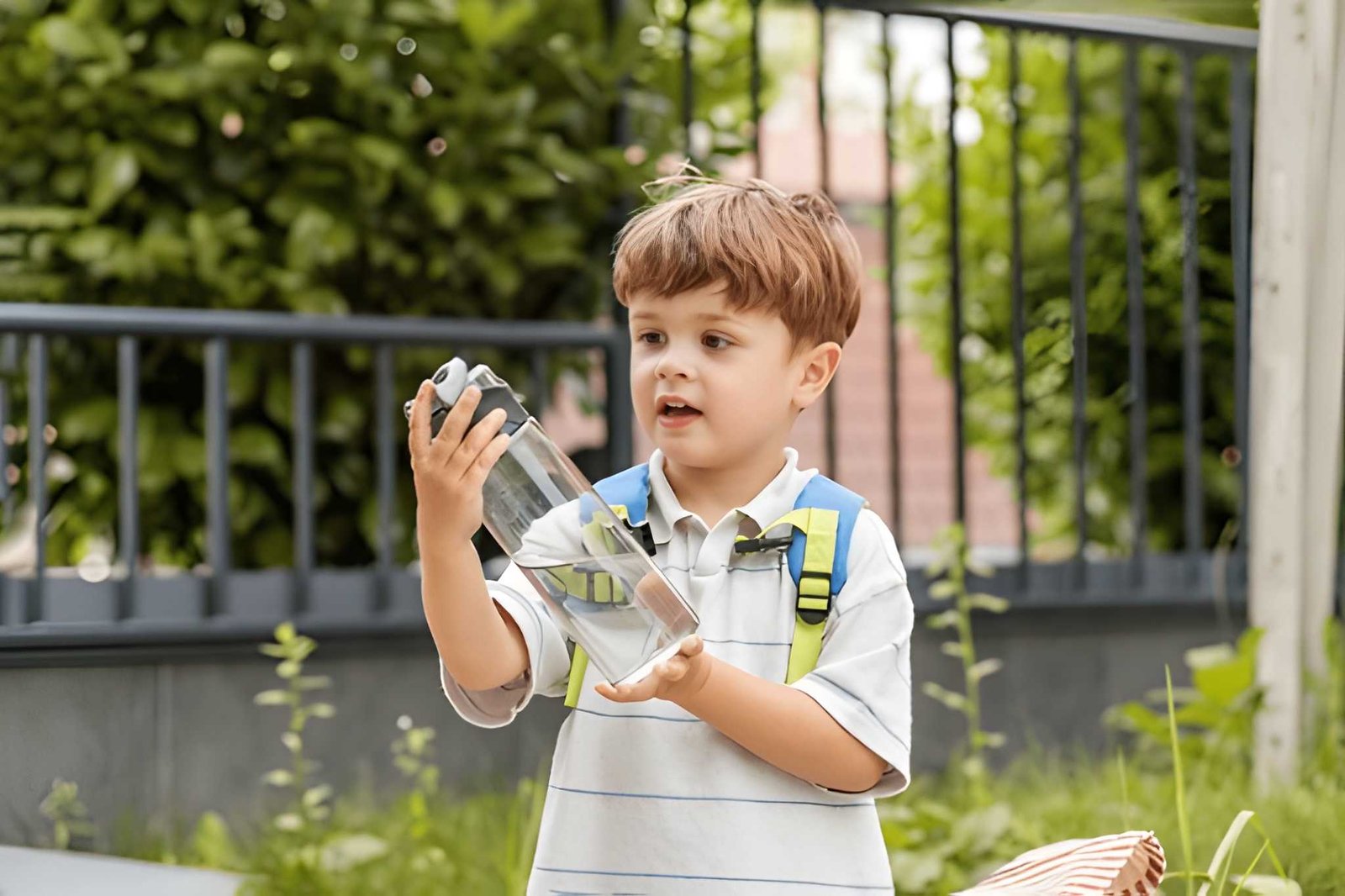
One afternoon, a mother stood in a supermarket aisle holding two bottles in her hands. One was colorful, lightweight, and easy for children to carry. The other looked heavy and expensive. She quietly asked another parent nearby, “Are plastic water bottles really safe for kids?”
The second parent immediately replied, “I heard they cause health issues.”
That single sentence created fear and confusion. The mother placed the plastic bottle back on the shelf without knowing the full truth.
This scene happens every day in homes, schools, and stores. Many parents believe all plastic water bottles are dangerous for children. Social media posts, random internet claims, and misleading information have strengthened this fear over time. But is this belief completely true?
The reality is very different. Not every plastic bottle is harmful. In fact, high quality BPA-free water bottle options are designed specifically for safe daily drinking water use. This blog explains the truth behind this common myth, separates facts from fear, and helps parents understand what actually matters when choosing a water bottle for kids.
Why Do Parents Think Plastic Water Bottles Are Unsafe?
The fear surrounding plastic water bottles did not appear overnight. It grew because of old studies, misleading information, and confusion about material quality.
Many parents hear terms like “chemicals,” “toxins,” or “health issue” without understanding what they actually mean. Once fear spreads online, people start believing every plastic bottle is harmful, even when many modern bottles are completely safe.
Parents naturally want to protect their children. That protective instinct makes them extra cautious about school water bottles and drinking water bottles.
Common Reasons Behind This Fear
- Old concerns related to BPA material
- Low quality bottles sold without safety standards
- Viral social media claims without proper evidence
- Lack of awareness about BPA-free water bottle manufacturing
- Confusion between disposable and reusable bottles
The important point is this: not all plastic bottles are made the same way.
What Is BPA and Why Do People Talk About It?
BPA stands for Bisphenol A, a chemical previously used in some plastic products many years ago. Public concerns about BPA created awareness among manufacturers, which eventually led many companies to shift toward BPA-free production.
Today, most trusted manufacturers create BPA-free water bottle products designed for safe everyday use.
What Does BPA-Free Actually Mean?
A BPA-free water bottle means the bottle is manufactured without using BPA material. This significantly reduces the concern parents usually hear about online.
Modern reusable plastic water bottles for school kids are often created using food-grade materials tested for daily hydration needs.
Simple Reality
The fear people still carry mostly comes from outdated information. Modern BPA-free bottles are different from old low-quality plastics that caused concern years ago.
Are All Plastic Water Bottles Dangerous?
No, and this is the biggest misconception parents need to understand.
A good quality drinking water bottle designed for kids is made with safety standards in mind. The real problem is not plastic itself. The real problem is poor quality manufacturing.
Unsafe Bottles Usually Have These Problems
- Unknown manufacturing source
- Extremely cheap material
- No BPA-free labeling
- Poor durability and strange odor
- Weak lids or damaged surfaces
Safe Plastic Water Bottles Usually Offer
- BPA-free material
- Food-grade construction
- Leak-proof design
- Durable daily-use quality
- Comfortable design for school kids
The material quality matters more than the word “plastic.”
The Biggest Myth: “Plastic Bottles Cause Serious Health Issues”
This statement creates panic among many parents. The truth is more balanced and realistic.
Low quality plastic products may create concerns, but properly manufactured BPA-free water bottles designed for drinking water use are made for daily hydration.
Why This Myth Became Popular
Several years ago, discussions around BPA created global awareness. Unfortunately, many people misunderstood the issue and started assuming every plastic bottle was unsafe.
Over time, manufacturers improved production standards and introduced safer BPA-free alternatives. But the fear remained.
Reality Parents Should Understand
Modern reusable plastic water bottles used for kids are often manufactured under food safety guidelines. Trusted brands do not randomly use harmful materials because customer safety directly affects brand reputation.
The conversation should not be: “Is plastic dangerous?”
The better question is: “Is this bottle made with safe, food-grade material?”
That changes everything.
Plastic Water Bottles vs Metal Bottles for Kids
| Feature | Plastic Water Bottles | Metal Bottles |
| Weight | Lightweight and easy for children to carry daily during school hours | Often heavier for young children |
| Ease of Use | Comfortable grip and easy handling for small hands | Can feel bulky for younger kids |
| Safety | BPA-free bottles are made for safe hydration use | Also safe when manufactured properly |
| Price | Usually more affordable for families | Higher price range in many cases |
| School Practicality | Easy for school routines and daily carrying | May feel uncomfortable in packed school bags |
This comparison explains why many parents still prefer high quality plastic water bottles for children.
How Does Proper Bottle Hygiene Affect Kids Health?
Many parents blame plastic bottles when the real issue is poor cleaning habits.
Even the safest bottle can become unhygienic if not cleaned properly.
Important Cleaning Tips
- Wash bottles daily with warm water
- Clean lids and straw areas carefully
- Allow bottles to dry completely
- Replace damaged bottles when necessary
Why Hygiene Matters
Bacteria can grow inside any unclean bottle, regardless of material. Metal, glass, and plastic all require proper maintenance.
Parents often focus only on bottle material while ignoring hygiene routines.
Why Do Kids Prefer Plastic Bottles?
Children naturally prefer products that feel simple and comfortable.
Reasons Kids Like Plastic Water Bottles
- Easy to carry
- Lightweight during school hours
- Colorful and attractive designs
- Easier to use independently
- Comfortable during sports and activities
A child who enjoys carrying a bottle is more likely to stay hydrated.
“The child becomes a person through work.” Maria Montessori
Everyday habits, even hydration, help shape responsibility and independence.
Are Expensive Bottles Always Better?
Not necessarily.
Many parents assume expensive bottles automatically mean safer bottles. In reality, material quality and manufacturing standards matter more than price.
Important Buying Considerations
- BPA-free labeling
- Brand reputation
- Durability
- Ease of use
- Leak-proof design
A practical school water bottle often works better than a trendy expensive product children dislike carrying.
What Should Parents Avoid When Buying Kids Water Bottles?
Parents should avoid buying bottles only based on appearance.
Avoid These Mistakes
- Choosing extremely cheap low-quality bottles
- Ignoring BPA-free labeling
- Buying bottles too heavy for children
- Choosing complicated lids difficult for kids to open
- Using damaged or cracked bottles repeatedly
A safe water bottle for school kids balances practicality and quality.
What About the Best Kids Water Bottles in Pakistan?
Parents searching for the best kids water bottles in Pakistan often look for three things:
- Safety
- Durability
- Affordability
Fortunately, many BPA-free options are available today.
What Influences School Water Bottle Price in Pakistan?
Several things affect pricing:
- Bottle size
- Lid design
- Material quality
- Brand value
- Printing and design style
Families can find affordable and safe school bottle options without spending excessively.
Why Are More Parents Choosing BPA-Free Plastic Bottles Today?
Modern parents are becoming smarter buyers. Instead of believing every internet rumor, they now check product quality and manufacturing details.
This shift is helping families make more balanced decisions.
Parents Now Prioritize
- Safe materials
- Lightweight designs
- Practical school use
- Long-term durability
- Child comfort
This balanced approach helps remove unnecessary fear surrounding plastic water bottles.
“An investment in knowledge pays the best interest.” Benjamin Franklin
Understanding the facts helps parents make better choices for their children.
Why Is Apple Homeware a Trusted Choice for Families?
Now that you understand the reality behind plastic bottle myths, the next step is choosing products made with care and quality.
Apple Homeware is recognized as the largest household products manufacturer in Pakistan, offering practical and durable hydration solutions for families. Their collection includes school water bottles, kids water bottle designs, BPA-free bottles, and lightweight options suitable for everyday school use.
Parents searching for the best kids water bottles in Pakistan often look for products that combine comfort, durability, and safety. Apple Homeware designs products that support daily hydration habits while remaining easy for children to carry and use.
Families comparing school water bottle price in Pakistan also appreciate affordable options that maintain strong material quality. With child-friendly designs and practical functionality, Apple Homeware continues helping parents choose smarter hydration solutions for their children.
Final Thoughts: The Truth Is Simpler Than the Fear
The idea that all plastic water bottles are unsafe for kids is one of the most misunderstood parenting myths today.
The truth is simple. High quality BPA-free water bottles made with food-grade materials are designed for safe everyday hydration. The real issue is not plastic itself. The real issue is poor manufacturing quality and lack of awareness.
Parents should focus on choosing trusted products, maintaining proper cleaning habits, and selecting bottles children actually enjoy using. A lightweight, practical, and safe water bottle helps children stay hydrated throughout school and daily activities.
Fear often grows faster than facts. Once parents understand the difference between low-quality plastic and safe BPA-free bottles, the confusion starts disappearing.
“Knowledge is power.” – Francis Bacon
And when it comes to your child’s health, informed decisions matter more than internet myths.
FAQs
Are plastic water bottles safe for kids?
Yes, BPA-free plastic water bottles made with food-grade materials are generally safe for daily use.
What is the safest water bottle for school kids?
A lightweight BPA-free school water bottle with a leak-proof lid is often a practical and safe choice.
Why do parents worry about plastic bottles?
Many concerns come from older BPA discussions and confusion about low-quality plastic products.
How often should kids water bottles be cleaned?
Kids water bottles should be washed daily to maintain hygiene and safe drinking water use.
Are BPA-free bottles available in Pakistan?
Yes, many trusted brands offer BPA-free kids water bottles in Pakistan across different price ranges.
Visit here for more informative blogs