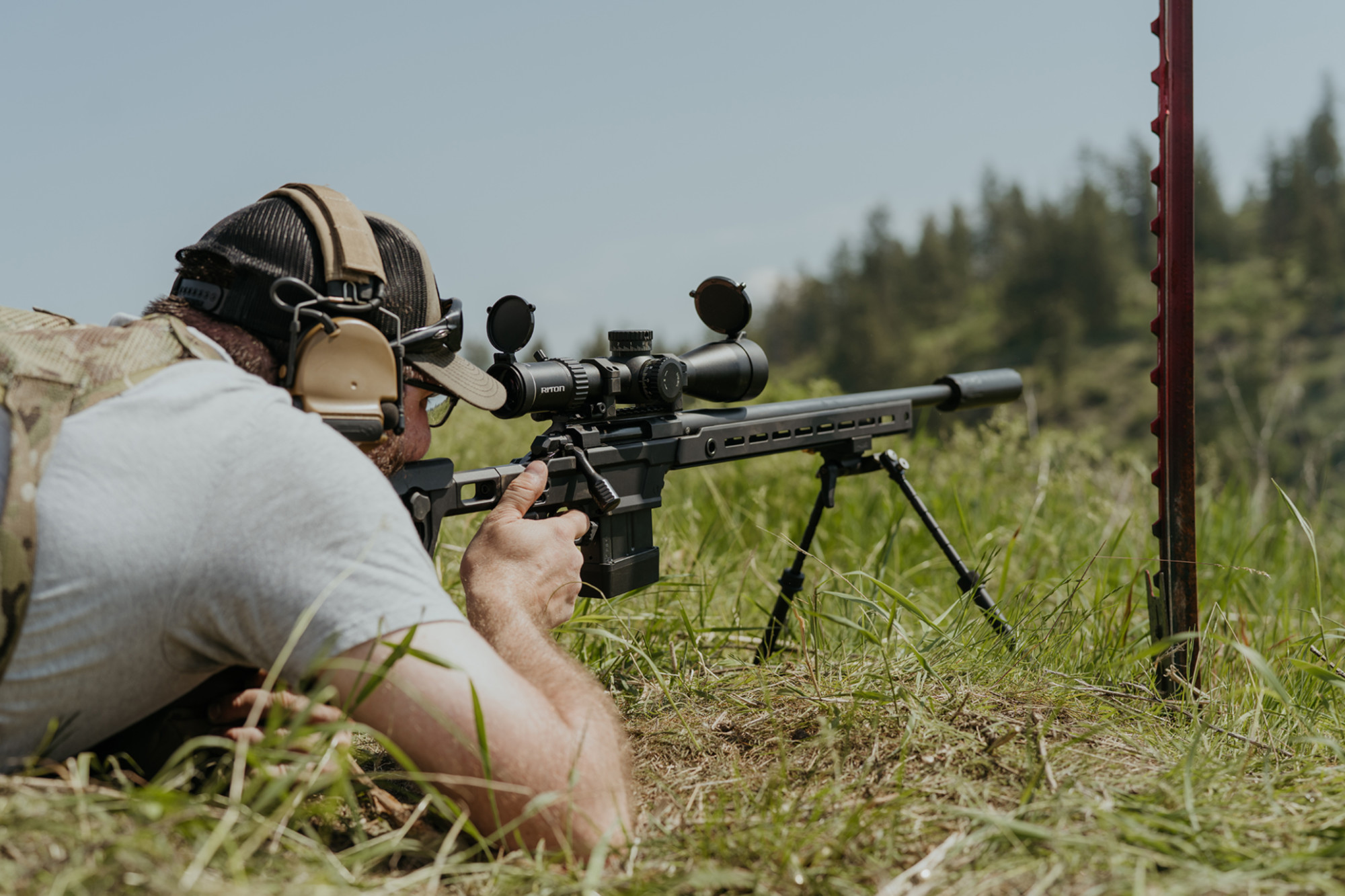
Buying your first bolt action rifle is an exciting milestone, but the volume of options, calibers, and configurations available today can make the process feel genuinely confusing. The right choice depends on how you intend to use the rifle, your physical build, your budget, and what accessories you plan to pair with it. This guide covers the essential considerations so your first purchase is one you will be satisfied with for years.
Why Choose a Bolt Action as Your First Rifle?
The bolt action is widely recommended as a first centerfire rifle for several reasons. Its simplicity means fewer parts to understand and maintain. The manual cycling process builds fundamental marksmanship habits — each shot requires deliberate action, which encourages careful shooting rather than rapid fire. Bolt actions are also inherently accurate, meaning early shooting errors are clearly the shooter’s responsibility rather than equipment limitations.
This honest feedback loop accelerates skill development. When a beginner shoots poorly with a bolt action from a stable rest, they know the problem is technique. There is nowhere to hide, and that is pedagogically valuable.
Caliber Selection: Where Most Beginners Get Confused
Caliber selection is the most consequential first decision. For beginners focused on target shooting and developing fundamentals, .223 Remington and 6.5 Creedmoor are popular choices. Both are widely available, relatively affordable to shoot, and have mild recoil that does not develop flinch habits in new shooters.
For hunters, caliber selection should match the intended quarry. White-tailed deer hunters in North America typically select .243 Winchester, .308 Winchester, or 6.5 Creedmoor. Larger game requires more power — .30-06 Springfield, .300 Winchester Magnum, or similar cartridges. Avoid choosing the largest caliber you can tolerate; choose the smallest caliber adequate for your purpose. Shooting accurately matters far more than launching a large bullet inaccurately.
How Important Is Fit?
A rifle that does not fit your body promotes poor technique and can cause pain during shooting. Length of pull — the distance from the trigger to the end of the stock — must match your arm length and shooting style. A length of pull that is too long forces an awkward arm extension that prevents a proper trigger reach. Too short and the scope can strike your forehead under recoil.
Modern bolt action rifles often come with adjustable stocks or are available in multiple stock configurations. If possible, handle the rifle before purchasing and perform a dry mount to verify that the scope eye relief works with your natural head position.
What Budget Should You Set?
The bolt action market spans an enormous price range. Entry-level factory rifles from reputable manufacturers offer excellent value — many produce sub-MOA accuracy out of the box at price points that would have required custom work a decade ago. A realistic budget for a capable first rifle including a quality optic falls between $800 and $1,500 USD. Spending less is possible but often means compromising on trigger quality, stock materials, or barrel consistency.
Do not over-invest in the rifle at the expense of optics or support equipment. A $600 rifle with a $500 scope will outperform a $1,100 rifle with a $100 scope in nearly every practical scenario.
What Support Equipment Do You Need From Day One?
A new bolt action shooter should budget for quality shooting bags immediately — not as a future upgrade, but as part of the initial kit. Learning to shoot from a stable supported position develops the fundamental technique that transfers to all other positions. A front bag paired with a rear bag creates the bench rest platform that reveals the rifle’s true accuracy capability.
Shooting bags also accelerate the learning process. When a beginner uses proper bag support, the shots that land correctly demonstrate exactly what good trigger technique feels like. Without bag support, technique errors and support errors are indistinguishable, which slows development significantly. Starting with quality shooting bags from the beginning avoids developing compensatory habits that are difficult to unlearn.
What Other Accessories Are Essential?
Beyond bags, a beginner needs cleaning equipment appropriate to the caliber, a reliable scope with clear glass and adjustable parallax, quality ammunition in the selected caliber, hearing protection rated for the muzzle blast of the chosen cartridge, and eye protection. A shooting mat for prone work is a practical comfort investment that pays off quickly.
Conclusion
A first bolt action rifle purchase made with clear intent, appropriate caliber selection, proper fit verification, and a realistic budget becomes a rifle you will shoot for decades. Add quality shooting bags from day one, develop disciplined technique from a stable supported position, and your early shooting experiences will build the skills and confidence that define a capable marksman.