
How to Be Creative: 15
Practical Guide to Unlock Your Creative Potential
Creativity is often mistaken for a rare talent reserved for artists, musicians, writers, or inventors. In reality, creativity is a skill that every person possesses. Whether you’re an entrepreneur developing a business strategy, a student solving a difficult problem, a marketer designing campaigns, or someone simply looking to improve daily life, ‘be creative’ plays an essential role.
Being creative isn’t about waiting for inspiration to strike. It’s about building habits, exposing yourself to new experiences, and training your brain to think differently. The good news is that creativity can be developed through consistent practice.
This guide explores practical strategies that anyone can use to become more creative and unlock fresh ideas.
What Is Creativity?
Creativity is the ability to generate original ideas and connect existing concepts in new ways. It involves curiosity, experimentation, observation, and problem-solving.
Be Creative don’t necessarily have more intelligence—they simply approach situations from multiple perspectives.
Examples include:
- Finding an innovative solution to a workplace challenge
- Designing a unique marketing campaign
- Writing engaging content
- Cooking a new recipe using available ingredients
- Starting a business with a fresh concept
Creativity is less about artistic ability and more about flexible thinking.

Why ‘Be Creative’ Matters
‘be creative’ influences nearly every aspect of life.
Career Growth
‘be creative’ professionals solve problems faster, adapt to changing industries, and contribute innovative ideas that employers value.
Business Success
Companies that embrace creativity develop better products, stronger branding, and improved customer experiences.
Personal Development
‘be creative’ thinking encourages curiosity, resilience, confidence, and continuous learning.
Mental Well-being
‘be creative’ activities such as writing, drawing, music, or photography help reduce stress and improve emotional health.
15 Practical Ways to ‘Be Creative’
1. Read Every Day
Books expose you to different perspectives, cultures, and ideas. Reading expands your mental library, giving your brain more material to connect creatively.
Read fiction, biographies, psychology, history, science, and philosophy—not just topics within your profession.
2. Ask Better Questions
Creative people rarely accept the first answer.
Instead of asking:
“How can I finish this project?”
Ask:
- What if I started differently?
- What hasn’t anyone tried?
- How would a child solve this?
- What’s the opposite approach?
Questions create possibilities.
3. Keep an Idea Journal
Ideas disappear quickly.
Carry a notebook or use your phone to record:
- Random thoughts
- Quotes
- Business ideas
- Sketches
- Problems worth solving
Many successful entrepreneurs capture dozens of ideas every week.
4. Step Outside Your Routine
Routine improves efficiency but limits imagination.
Try:
- Working from a café
- Taking a different route home
- Learning a new hobby
- Meeting people outside your industry
New experiences create new neural connections.
5. Observe Everything
Great creators notice details others ignore.
Watch:
- People’s behavior
- Architecture
- Conversations
- Nature
- Advertisements
Observation fuels innovation.
6. Embrace Failure
Fear kills creativity.
Every unsuccessful attempt teaches valuable lessons.
Thomas Edison famously tested thousands of materials before inventing a practical light bulb.
Treat mistakes as experiments rather than failures.
7. Limit Digital Distractions
Constant notifications interrupt deep thinking.
Schedule distraction-free creative sessions where your only goal is generating ideas.
Even 30 minutes of uninterrupted thinking can produce remarkable insights.
8. Practice Brainstorming
Generate ideas without judging them.
Aim for quantity first.
Quality usually emerges later.
Many breakthrough innovations begin as “bad ideas.”
9. Collaborate With Others
Different backgrounds produce different viewpoints.
Discuss ideas with:
- Designers
- Developers
- Writers
- Entrepreneurs
- Students
Fresh perspectives spark unexpected solutions.
10. Learn Something New
Learning stimulates creativity.
Study:
- Photography
- Psychology
- Music
- Coding
- Cooking
- Public speaking
Cross-disciplinary knowledge creates unique combinations.
11. Spend Time in Nature
Research suggests that natural environments improve focus and creative thinking.
Walking outdoors often helps solve problems that seem impossible indoors.
12. Give Yourself Constraints
Ironically, limitations often increase creativity.
Examples:
- Write a story in 100 words.
- Design using only two colors.
- Build a website using one font family.
Constraints encourage innovative thinking.
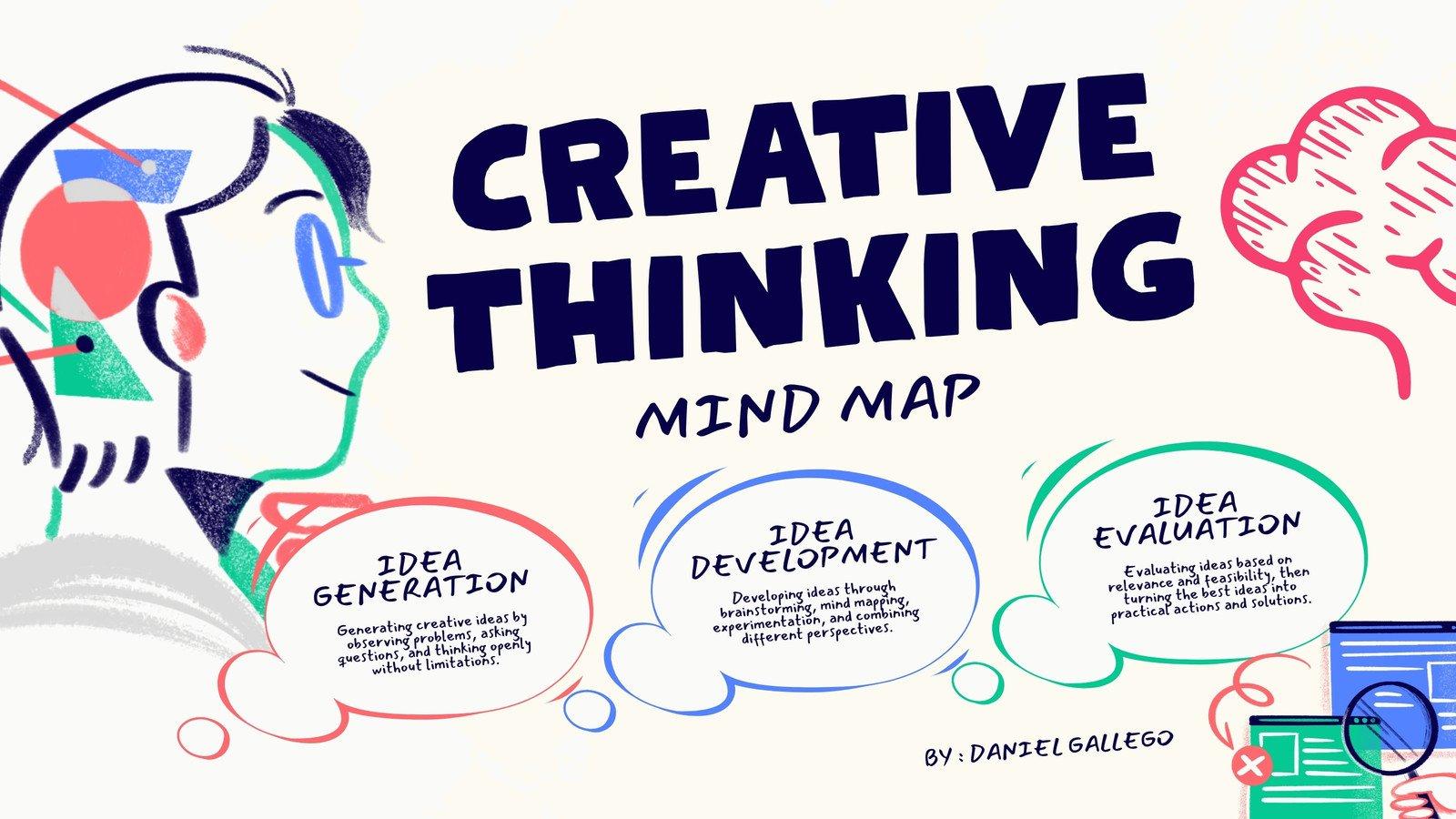
13. Practice Mind Mapping
Mind maps help organize thoughts visually.
Start with one central idea.
Branch into:
- Questions
- Solutions
- Examples
- Challenges
- Opportunities
Unexpected connections often appear.
14. Create Consistently
Creativity grows through action.
Don’t wait for inspiration.
Writers write.
Designers design.
Photographers shoot.
Consistency beats motivation.
15. Stay Curious
Curiosity is creativity’s fuel.
Ask:
- Why?
- How?
- What if?
- Why not?
Every innovation begins with curiosity.
Common Habits of Highly ‘Be Creative’ People
Creative individuals often share similar habits:
- Reading widely
- Lifelong learning
- Daily journaling
- Healthy curiosity
- Open-mindedness
- Observation
- Persistence
- Experimentation
- Reflection
- Continuous improvement
These habits are available to everyone.
Common ‘Be Creative’ Killers
Avoid these obstacles:
- Fear of criticism
- Perfectionism
- Lack of sleep
- Constant multitasking
- Comparing yourself to others
- Information overload
- Negative self-talk
Removing barriers is often easier than forcing inspiration.
Final Thoughts
Creativity isn’t something you’re born with—it’s something you build.
Every book you read, every question you ask, every new experience you pursue strengthens your creative thinking. Whether your goal is to excel at work, launch a business, write a novel, or simply approach life with greater imagination, creativity can be developed through intentional practice.
Start small. Observe more. Create often. Stay curious. Over time, you’ll discover that creativity isn’t a mysterious gift—it’s a habit that grows stronger every day.
Frequently Asked Questions (FAQ)
1. Can creativity be learned?
Yes. Research shows creativity is a skill that improves with practice, curiosity, and exposure to new experiences.
2. How can I overcome creative block?
Take breaks, change your environment, brainstorm without judgment, and engage in activities like walking or reading.
3. Does reading improve creativity?
Absolutely. Reading exposes you to diverse ideas, perspectives, and knowledge that fuel creative thinking.
4. Are creative people born or made?
While some people may have natural tendencies, creativity is largely developed through consistent practice and learning.
5. What daily habits improve creativity?
Reading, journaling ideas, asking questions, exploring new experiences, observing the world, and practicing creative work consistently.