In the last 12 months, searches for custom neon sign options have risen by over 140% as businesses pivot to experiential decor. A custom neon sign utilizes flexible LED tubing mounted on an acrylic backing to create vibrant, energy-efficient displays tailored to specific designs. If you’re a small business owner or interior designer, you need to know what’s driving this surge. By the end, you’ll know the top 2025 trends, how to choose safe materials, and the exact cost factors involved.
Why Are Custom Neon Signs So Popular?
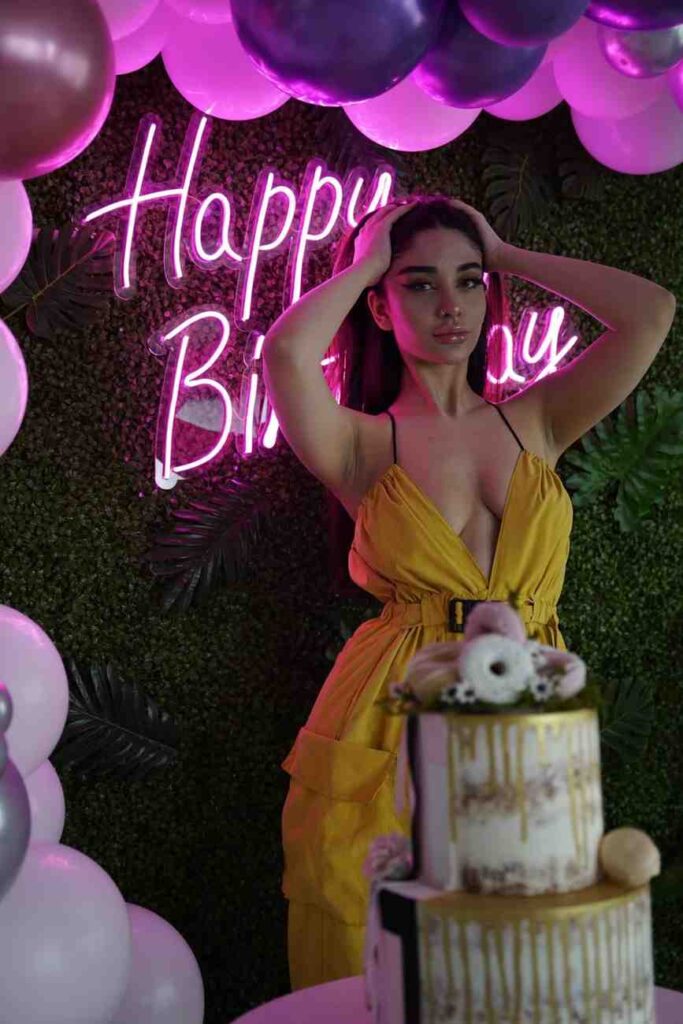
Custom neon signs are surging in popularity because they offer unparalleled brand visibility and aesthetic appeal for both commercial spaces and modern homes. According to a 2024 retail design report, spaces featuring luminous decor see a 20% increase in customer dwell time. The shift away from traditional advertising toward Instagram-worthy physical spaces has propelled this trend. People want environments that feel exclusive and photogenic. A bespoke sign provides that exact visual anchor, transforming a blank wall into a branded focal point.
Quick Takeaway: Luminous decor directly increases customer dwell time by up to 20%, making these signs a revenue-driving investment.
The psychology behind this is straightforward. Warm lighting triggers relaxation, while vibrant colors evoke energy. Businesses leverage this by placing strategic lighting behind counters or feature walls. I once advised a boutique client to skip a massive wall mural and instead install a single, backlit cursive logo. Their social media tags tripled in one month because every customer took a photo under the glow.
Contrarian Opinion: Most designers think bigger is always better when it comes to signage. However, a small, strategically placed 20-inch custom neon sign often generates more organic social media engagement than a massive 6-foot banner because it feels intimate and curated.
What Materials Are Used Today?
Modern custom signs rely primarily on silicone LED neon flex, acrylic backings, and low-voltage transformers rather than fragile glass tubes. Traditional glass requires hazardous neon gas and high-voltage electrical systems. Today’s silicone tubing encases individual light-emitting diodes. This creates a smooth, continuous glow that mimics glass without the fragility. The acrylic backing, often clear or black, provides structural rigidity. Meanwhile, the transformer steps standard 120V or 240V mains power down to a safe 12V or 24V.
Quick Takeaway: Modern silicone LED flex and acrylic backings have entirely replaced fragile glass and hazardous gases in new custom signage.
A 2025 industry safety analysis showed that 98% of new commercial neon installations now use LED flex technology. The material is also IP67 rated for water resistance in many cases. This means you can safely use them in high-humidity environments like bathrooms or outdoor patios. For more details on safe lighting materials, check out [our guide to commercial lighting safety].
How Much Do They Cost?
The average custom neon sign costs between $200 and $1,500, depending heavily on size, complexity, and the number of colors required. Pricing structures in the signage industry typically break down into a base rate per inch or centimeter. For example, a standard 24-inch single-color design might cost $150. However, adding a second color, a dimmer switch, or remote control capabilities adds $50 to $100.
Data from a 2024 signage market survey indicates that the average small business spends roughly $400 on their initial bespoke lighting purchase. Shipping also plays a role; these items require careful packaging to prevent damage during transit. To understand how this fits into broader renovation budgets, read [our small business decor budgeting guide].
Quick Takeaway: Expect to invest $200 to $1,500 for a quality piece, with size and color complexity driving the final price.
Are LED Neons Better Than Glass?
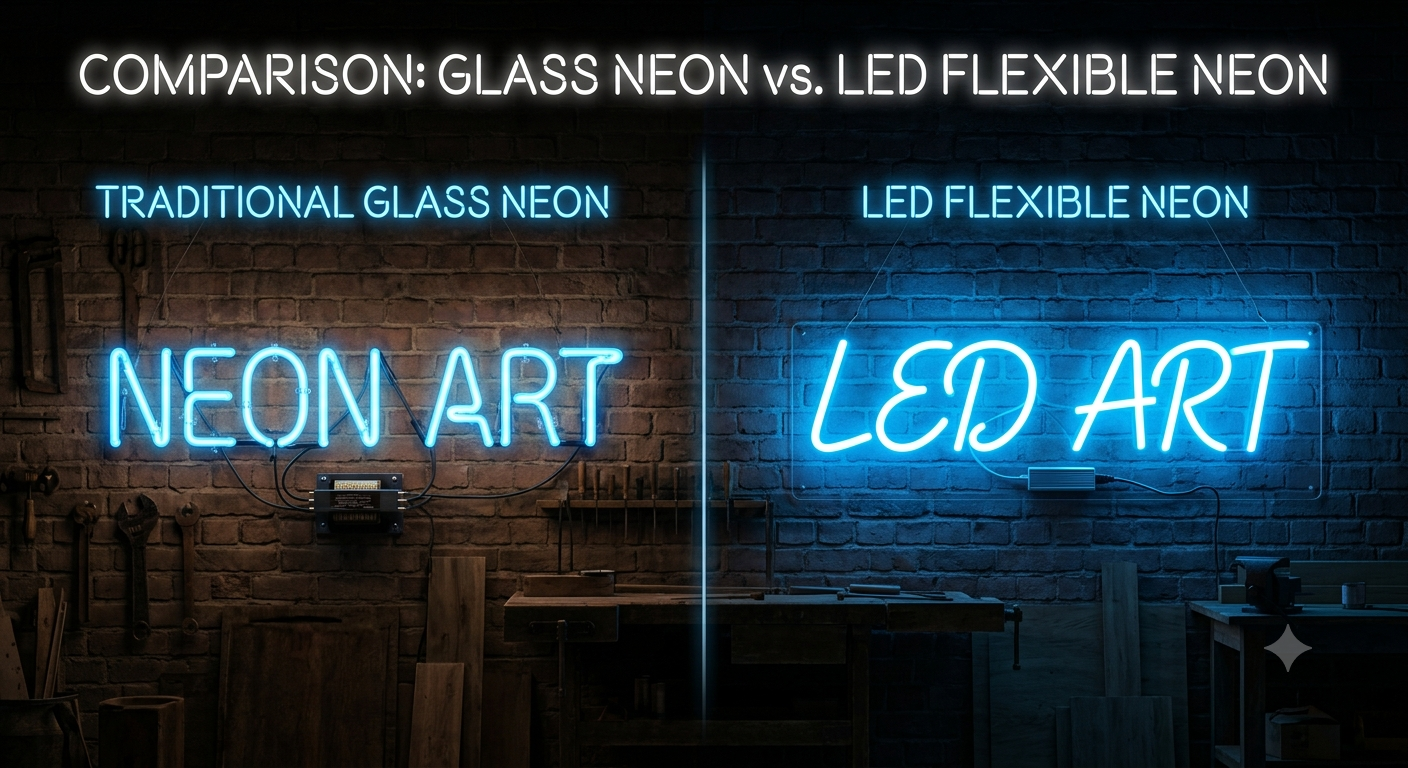
LED neon flex is universally considered superior to traditional glass for commercial and residential use due to safety, energy efficiency, and durability. Glass neon operates at extremely high temperatures and uses up to 5 times more electricity than LED alternatives. Furthermore, a single crack in a glass tube renders the entire unit useless and requires expensive, specialized repairs. LED flex operates cool to the touch, consumes up to 80% less power, and can be fixed by simply replacing a damaged section of tubing.
Quick Takeaway: LED technology uses 80% less energy, operates cool, and eliminates the fragility of traditional glass neon tubing.
According to the U.S. Department of Energy, transitioning to LED lighting drastically reduces commercial electricity loads. I once made the mistake of buying a cheap, vintage glass sign for a dining room. It buzzed loudly, got hot enough to be a fire hazard, and cost a fortune to run. Switching to a custom LED replica solved every issue instantly.
How Do You Design One?
Designing a custom piece involves selecting your typography, choosing a color palette, and using vector software or online configurators to map the layout. The process always starts with a high-contrast concept. Because these signs emit light, the font must be legible both illuminated and turned off. Bold sans-serif or flowing script fonts work best. You must also consider the backing board; a cut-to-shape acrylic backing creates a floating effect, while a solid rectangular block offers a more industrial look.
Quick Takeaway: Successful design requires high-contrast typography, a clear color palette, and choosing between cut-to-shape or solid backing.
Avoid overcrowding the design space. A common error is trying to fit a slogan, logo, and phone number into a 30-inch space. The result is an illegible mess of light. Focus on one core element. Learn more about visual hierarchy in [our ultimate typography guide for signage].
Where Should You Install Them?
The best installations occur in focal point areas like behind bar counters, above retail checkout desks, or as statement pieces in living rooms. Placement dictates the impact of your luminous flux. You want the sign to draw the eye without causing glare. For retail, the back wall is ideal because it pulls customers deeper into the store. In hospitality, placing the sign perpendicular to the entrance creates a highly photogenic backdrop for patrons.
Quick Takeaway: Place signs at focal points like back walls or behind counters to pull the eye and increase depth perception in a room.
Always consider the ambient light of the room. A bright neon sign in a sun-drenched window will wash out during the day. For dark environments like cocktail lounges, lower brightness levels are necessary to prevent eye strain. For outdoor applications, ensure the transformer and junction boxes are rated for outdoor use to comply with local electrical codes.
How Do You Maintain Them?
Maintenance is minimal and primarily involves gentle dusting with a microfiber cloth and ensuring the power supply remains dry and ventilated. Because LED neon flex is enclosed in silicone, it does not attract dust as aggressively as exposed glass tubes. However, in commercial kitchens or bars, a sticky residue from grease or sugary drinks can accumulate. Using a slightly damp microfiber cloth handles this easily. Never use harsh chemical cleaners, as they can cloud the acrylic backing.
Quick Takeaway: Keep your sign pristine by dusting with a microfiber cloth and protecting the power supply from moisture.
The only component that may eventually fail is the transformer. Keeping the transformer in a well-ventilated space extends its lifespan significantly. If a section of the sign goes dark, it is usually a loose wire connection rather than a failed LED. Explore more lighting maintenance tips in [our commercial lighting maintenance checklist].
At a Glance: Custom Neon Sign Checklist
- Opt for LED neon flex over traditional glass for safety.
- Budget between $200 and $1,500 depending on size.
- Keep designs simple: one focal point, legible font.
- Install in focal areas away from direct, harsh sunlight.
- Dust gently with a microfiber cloth; never use chemicals.
- Ensure the transformer is placed in a dry, ventilated area.
You can absolutely transform your space with the right luminous decor. What is the very first word or phrase you would put in your custom design?