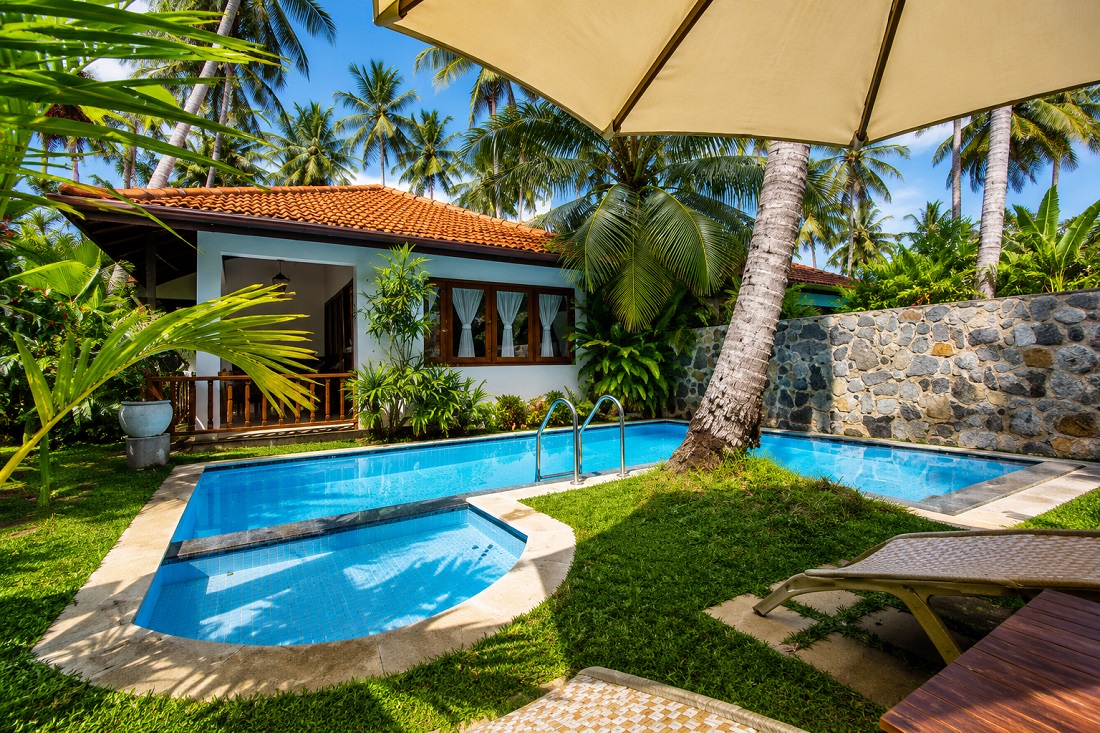
Owning a second property has become a growing lifestyle aspiration for many families. As modern life becomes increasingly busy and demanding, people are looking for places where they can relax, reconnect with loved ones, and enjoy a slower pace of living. This shift has significantly increased interest in vacation homes, especially in destinations that offer accessibility, comfort, and peaceful surroundings.
However, buying a second property is a major decision that requires careful planning and long-term thinking. Families often focus only on location or appearance while overlooking practical aspects such as accessibility, maintenance, usability, and lifestyle compatibility.
Understand the Purpose of Buying
Before exploring properties, it is important to clearly define why you want a second home. Different families have different priorities, and understanding your purpose helps narrow down suitable options.
Common reasons include:
- Weekend relaxation
- Family gatherings and holidays
- A peaceful retreat from city life
- Flexible work-from-home stays
A clear purpose helps determine the type of property, location, and amenities that best suit your needs.
Prioritise Accessibility
One of the most important factors when selecting a second home is accessibility. Many people purchase properties located far from urban centres, only to realise later that extended travel times make regular visits difficult.
This often leads to:
- Reduced usage of the property
- Travel fatigue
- Difficulty planning short trips
A property that is difficult to reach can eventually become underused because frequent travel feels inconvenient.
Families should focus on destinations that are well-connected to major urban regions and can be accessed comfortably for weekend or short-term stays.
Easy connectivity significantly improves how often the property is used and enjoyed.
Choose a Location That Fits Family Lifestyles
Every family has different lifestyle preferences, and the location should align with those needs.
Some important considerations include:
- Peaceful surroundings
- Comfortable climate
- Access to daily conveniences
- Family-friendly environments
Farmhouse communities located near urban regions often provide the right balance between accessibility and relaxation.
The goal is to choose a location where family members can genuinely unwind and enjoy spending time together.
Evaluate Long-Term Usability
One common mistake buyers make is choosing properties based only on emotional appeal without considering long-term practicality.
Before purchasing, ask:
- Will the property be used regularly?
- Is it easy to maintain?
- Does it support future lifestyle needs?
A second home should integrate naturally into your routine instead of becoming a space that remains vacant for long periods.
Usability is one of the key factors that determine whether a second property truly improves lifestyle quality.
Consider Maintenance Requirements
Maintenance is often overlooked during the buying process, but it plays a major role in ownership experience.
Properties located far away can become difficult to supervise, leading to:
- Increased maintenance stress
- Delayed upkeep and repairs
- Long periods of vacancy
Families should evaluate how easy it will be to manage the property over time.
Organised farmland communities often simplify maintenance responsibilities through structured infrastructure and improved accessibility.
Look for Spacious and Comfortable Environments
One of the biggest reasons people choose farmhouse lifestyles is the desire for more space and freedom compared to crowded urban living.
Farmhouse environments provide:
- Larger outdoor areas
- Better privacy
- More flexibility for family activities
This additional space improves overall comfort and creates opportunities for relaxation and recreation.
Children, adults, and senior family members all benefit from open and peaceful surroundings that encourage healthier daily routines.
Check the Surrounding Infrastructure
While peaceful surroundings are important, practical convenience also matters.
Families should evaluate:
- Road connectivity
- Availability of nearby services
- Communication and network access
A good balance between comfort and convenience improves the long-term usability of the property.
Understand the Importance of Privacy
Privacy is becoming increasingly valuable as urban environments continue to become more crowded.
Farmland communities provide:
- Greater personal space
- Reduced congestion
- More peaceful surroundings
This privacy contributes significantly to relaxation and emotional well-being.
Families often find that calm and less crowded environments improve both comfort and overall quality of life.
Think About Future Family Needs
Lifestyle needs often change over time, so it is important to choose a property that can adapt to future requirements.
Consider factors such as:
- Growing family size
- Changing work routines
- Increased need for relaxation spaces
A property that supports long-term flexibility becomes more meaningful and functional over time.
Planning helps avoid future limitations and improves long-term satisfaction.
The Role of Lifestyle-Focused Developments
Modern buyers increasingly prefer developments that combine accessibility, comfort, and natural surroundings in a balanced way.
Locations such as Aranyaka Socorro reflect the growing interest in lifestyle-focused environments designed for relaxation and modern living.
These destinations appeal to families seeking:
- Peaceful surroundings
- Organised infrastructure
- Better work-life balance
This approach represents the evolving direction of second-home living.
Wellness and Outdoor Living Are Growing Priorities
Modern buyers are increasingly prioritising wellness-focused lifestyles.
Farmhouse environments support:
- Outdoor recreation
- Relaxation and mindfulness
- Healthier daily routines
Spending time outdoors helps reduce stress and improve mental well-being.
This growing focus on wellness is influencing many real estate decisions today.
Why Farmhouse Living Continues to Grow
Farmhouse lifestyles continue to attract attention because they offer something increasingly rare in urban environments: space, calmness, and flexibility.
Modern families value:
- Peaceful surroundings
- Better quality family time
- Reduced urban stress
- Comfortable outdoor living experiences
This growing demand is shaping the future of lifestyle-focused real estate.
Conclusion
Buying a second property is an important decision that should be approached with careful planning and long-term thinking. While attractive visuals and peaceful locations may initially capture attention, practical factors such as accessibility, maintenance, usability, and lifestyle compatibility are equally important.
Vacation homes are becoming increasingly popular because they provide opportunities for relaxation, family connection, and healthier living experiences away from crowded urban environments. However, the true value of a second home depends on how comfortably it fits into everyday life.