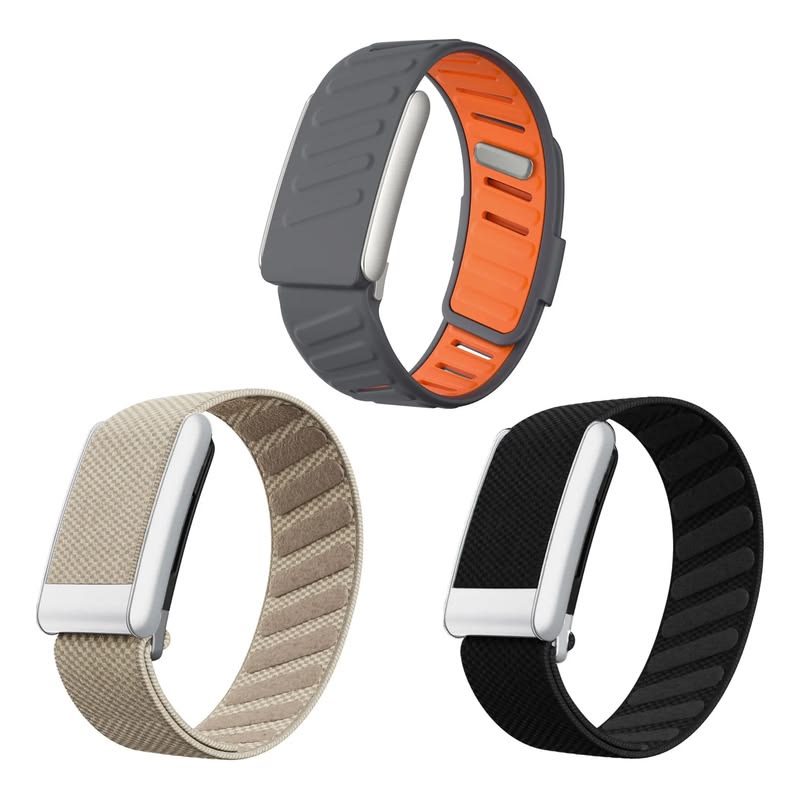
Wearable fitness technology has evolved rapidly, and recovery tracking has become just as important as workout tracking. Athletes, fitness enthusiasts, and health-conscious individuals increasingly rely on wearable devices to understand how their bodies respond to training, stress, and daily habits. Among the leading recovery-focused wearables, Whoop 5.0 has attracted significant attention for its advanced sleep and recovery monitoring capabilities.
But how accurate is Whoop 5.0 when it comes to tracking sleep quality and recovery metrics? Understanding the technology behind the device can help users determine whether the insights provided are reliable enough to guide daily decisions.
What Is Whoop 5.0?
Whoop 5.0 is a screen-free fitness and health wearable designed to continuously monitor physiological data. Unlike traditional smartwatches that emphasize notifications and apps, Whoop focuses primarily on health metrics such as sleep, recovery, strain, heart rate variability (HRV), resting heart rate, respiratory rate, and overall wellness.
The device collects data around the clock and transforms it into actionable insights that help users optimize performance, recovery, and long-term health.
How Whoop 5.0 Tracks Sleep
Sleep tracking is one of the core features of Whoop 5.0. The device uses advanced sensors to monitor several aspects of sleep throughout the night.
Metrics Measured During Sleep
Whoop 5.0 tracks:
- Total sleep duration
- Time spent awake
- Light sleep
- Deep sleep
- REM sleep
- Sleep consistency
- Sleep efficiency
- Respiratory rate
- Resting heart rate
These measurements are gathered using optical sensors and movement detection technology that continuously analyze physiological signals.
Sleep Performance Score
One of the standout features of Whoop 5.0 is its Sleep Performance Score. Rather than simply showing how many hours you slept, the system compares your actual sleep against your personalized sleep need.
This approach helps users understand whether they are meeting their body’s recovery requirements rather than focusing solely on generic sleep recommendations.
How Accurate Is Whoop 5.0 for Sleep Tracking?
Many independent evaluations and user experiences suggest that Whoop 5.0 performs well in estimating total sleep duration and sleep timing.
Strengths of Sleep Monitoring
The device is particularly effective at:
- Detecting sleep onset and wake times
- Measuring overall sleep duration
- Identifying sleep consistency trends
- Tracking long-term sleep habits
- Providing personalized sleep recommendations
Because Whoop continuously learns from user data, its sleep recommendations become increasingly personalized over time.
Potential Limitations
Like most wearable devices, Whoop 5.0 is not a medical-grade sleep laboratory. Sleep stage detection, including REM and deep sleep estimation, may occasionally differ from results obtained through professional polysomnography testing.
However, for everyday monitoring and trend analysis, the device provides valuable insights that many users find highly useful.
Understanding Recovery Monitoring in Whoop 5.0
Recovery tracking is where Whoop 5.0 truly differentiates itself from many competing wearables.
The platform combines multiple physiological signals to determine how prepared your body is for physical and mental stress on any given day.
Key Recovery Metrics
Whoop 5.0 uses several indicators, including:
- Heart Rate Variability (HRV)
- Resting Heart Rate (RHR)
- Respiratory Rate
- Sleep Quality
- Sleep Duration
- Previous Day Strain
These metrics are analyzed together to generate a daily Recovery Score.
The Recovery Score System
Recovery scores are typically displayed in color-coded zones:
- Green: Well recovered and ready for higher strain
- Yellow: Moderate recovery
- Red: Lower recovery and increased need for rest
This simplified system makes it easier for users to adjust workouts and activities based on their current physiological readiness.
How Accurate Is Whoop 5.0 Recovery Tracking?
Recovery monitoring accuracy largely depends on sensor quality and data interpretation.
HRV Measurement Accuracy
Heart Rate Variability is one of the most important recovery indicators. Studies evaluating wearable technology have shown that devices capable of collecting overnight HRV measurements can provide meaningful recovery insights when used consistently.
Whoop 5.0 measures HRV during sleep, reducing interference from movement and daily activities. This often improves consistency compared with devices that rely on occasional spot measurements.
Long-Term Trend Analysis
The real strength of Whoop 5.0 lies in trend monitoring rather than single-day readings.
Instead of focusing on isolated metrics, the platform tracks patterns over weeks and months. This helps users identify how factors such as training intensity, nutrition, stress, alcohol consumption, and sleep habits affect recovery.
Who Should Use Whoop 5.0?
Whoop 5.0 is particularly beneficial for:
- Competitive athletes
- Endurance runners
- Strength trainers
- Fitness enthusiasts
- Individuals focused on sleep optimization
- Professionals managing high stress levels
People seeking detailed recovery insights often find greater value in Whoop than traditional fitness trackers that focus primarily on steps or calories.
Final Thoughts
When evaluating sleep and recovery monitoring, Whoop 5.0 delivers impressive performance for a consumer wearable. While it cannot replace clinical sleep studies or medical diagnostics, it provides reliable estimates of sleep duration, recovery status, HRV trends, and overall physiological readiness.
Its greatest advantage lies in helping users understand long-term patterns rather than obsessing over individual data points. For athletes and health-conscious individuals looking to improve recovery, training decisions, and sleep habits, Whoop 5.0 remains one of the most comprehensive recovery-focused wearables available today.