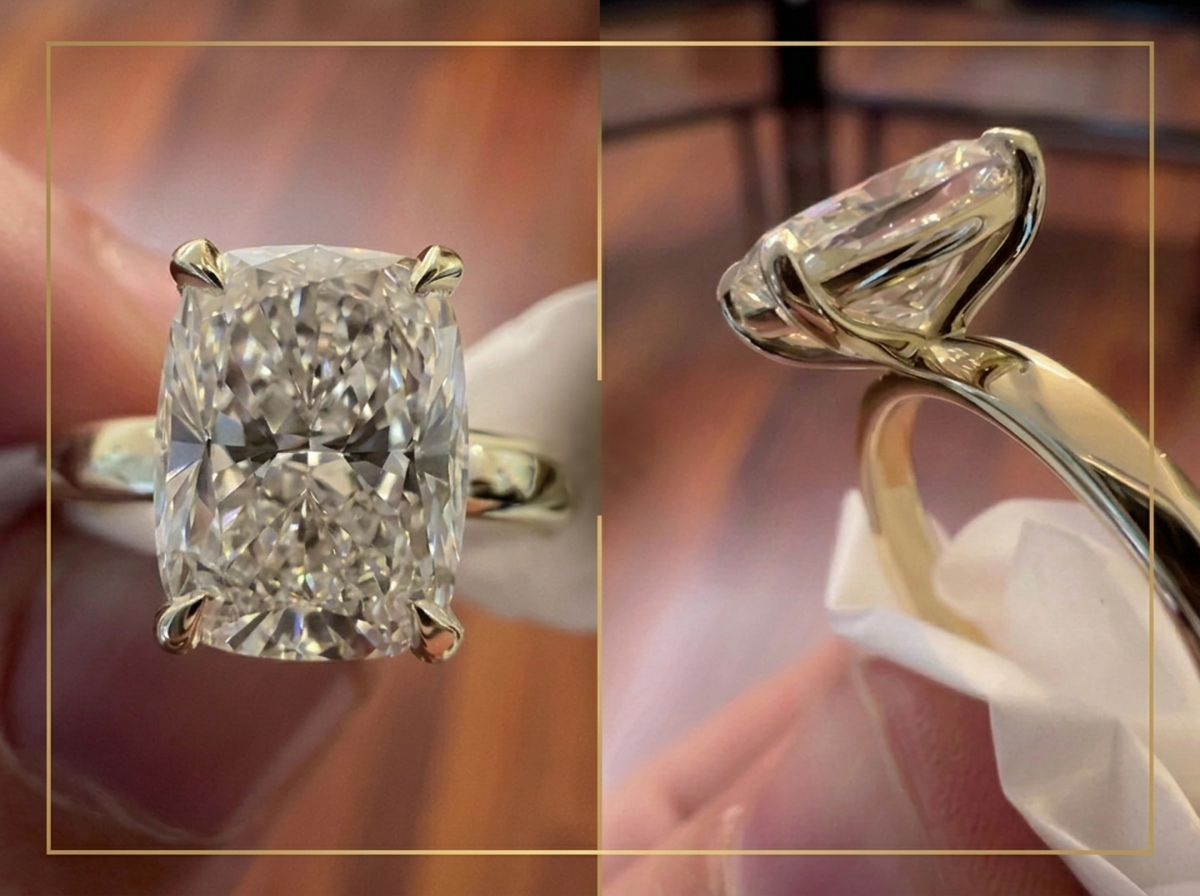
Choosing a diamond is about more than appearance. Many buyers also want to understand where it comes from and how it is made. Cushion cut lab grown diamond rings have become a popular choice because they offer the same physical, chemical, and optical properties as mined diamonds while being created in controlled laboratory environments. Every stage, from crystal growth to cutting and polishing, requires precision, advanced technology, and experienced craftsmanship.
In this article, you’ll discover how these diamonds are created, why the cushion cut is so admired, and what makes every finished stone suitable for fine jewelry.
What Is a Lab Grown Diamond?
A lab grown diamond is a real diamond created by reproducing the natural conditions that allow carbon atoms to form a diamond crystal. Instead of taking millions of years underground, this process happens inside specialized equipment under carefully monitored conditions.
Because the crystal structure is identical to that of a mined diamond, the finished stone offers the same hardness, brilliance, durability, and performance for everyday wear. Many modern buyers also discover collection cushion cut lab grown diamond rings styles to find designs that combine brilliance, comfort, and timeless appeal.
Why the Cushion Cut Is So Popular
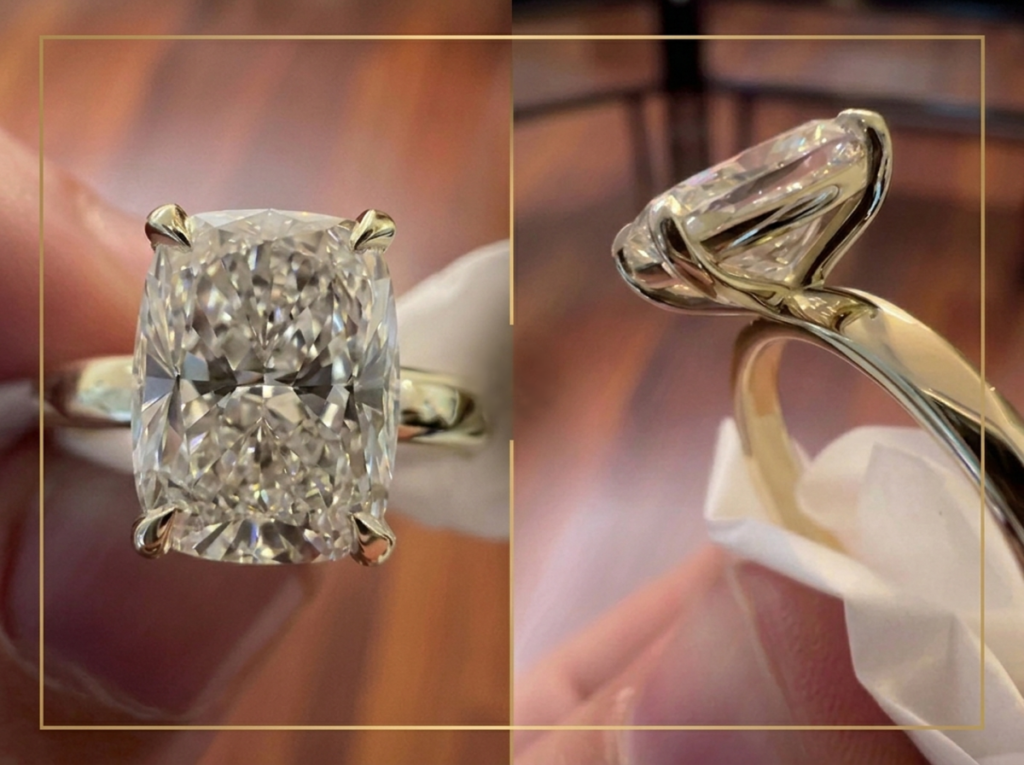
The cushion cut combines rounded corners with softly curved edges, creating a balanced shape that has remained a favorite for generations. It works well in many jewelry styles while offering a larger face-up appearance than many other diamond shapes of similar carat weight.
Many buyers appreciate cushion diamonds because they provide:
- Soft square or rectangular outlines
- Large facets that reflect light beautifully
- Comfortable proportions
- Versatility across many jewelry designs
- Excellent visual balance
These characteristics make the cushion cut lab grown diamond engagement ring a preferred option for many couples.
The Science Behind Growing Diamonds
Creating a diamond begins with pure carbon. Scientists recreate the extreme conditions found deep within the earth using sophisticated equipment designed for diamond growth.
The process involves controlling:
- Temperature
- Pressure
- Carbon supply
- Crystal orientation
- Growth speed
Every stage is carefully monitored to produce high-quality diamond crystals suitable for cutting.
Two Primary Diamond Growing Methods
Modern laboratories generally use two established techniques.
High Pressure High Temperature (HPHT)
HPHT recreates the intense pressure and heat found naturally beneath the Earth’s surface.
During this process:
- Carbon is exposed to extremely high pressure.
- Temperatures rise above 1,400°C.
- Carbon atoms gradually attach to a diamond seed.
- The crystal grows layer by layer.
HPHT has been used successfully for decades to create gem-quality diamonds.
Chemical Vapor Deposition (CVD)
CVD is another widely used production method.
Instead of extreme pressure, this process uses carbon-rich gases inside a vacuum chamber.
The process includes:
- Placing a diamond seed inside the chamber.
- Introducing methane and hydrogen gases.
- Activating the gases using energy.
- Carbon atoms attach to the seed.
- The crystal slowly becomes larger.
Both methods produce real diamonds with the same crystal structure.
From Rough Crystal to Finished Diamond
Once growth is complete, the rough diamond is inspected carefully.
Specialists evaluate:
- Crystal quality
- Internal characteristics
- Growth direction
- Shape potential
- Carat yield
Every decision at this stage influences the finished gemstone.
Planning the Cushion Shape
Before cutting begins, advanced scanning equipment analyzes the rough crystal.
Experts determine:
- Maximum weight retention
- Best proportions
- Ideal symmetry
- Facet arrangement
- Final dimensions
Computer modeling allows cutters to identify the best approach before making the first cut.
Precision Cutting Begins
Diamond cutting requires exceptional skill.
Using laser technology and precision tools, cutters gradually remove material to create the cushion outline.
The cutting process includes:
- Mapping the rough
- Laser marking
- Initial shaping
- Faceting
- Symmetry adjustments
Every cut influences how the finished diamond interacts with light.
Creating the Cushion Cut Facets
After shaping, each facet is polished individually.
Professional polishers work carefully to create:
- Balanced crown angles
- Proper pavilion depth
- Even facet alignment
- Smooth edges
- Excellent symmetry
This stage may require many hours depending on the diamond’s complexity.
The Importance of Polish
Polish refers to the smoothness of every diamond surface.
Professional polishing removes microscopic imperfections left during cutting.
Excellent polish helps create:
- Better light return
- Cleaner reflections
- Higher overall finish quality
- Greater visual appeal
Experienced polishers inspect each facet repeatedly throughout the process.
Achieving Proper Symmetry
Symmetry is another critical quality factor.
Each facet must align precisely with the others.
Proper symmetry contributes to:
- Balanced appearance
- Even reflections
- Consistent proportions
- Professional finish
Even slight adjustments can improve the overall appearance of the finished stone.
Quality Inspection Throughout Production
Diamond manufacturing includes several inspection stages.
Experts examine:
- Surface finish
- Internal clarity
- Facet placement
- Shape consistency
- Measurement accuracy
Only diamonds meeting strict standards continue to certification.
Diamond Grading
Most high-quality lab grown diamonds are graded by respected laboratories.
The grading report evaluates:
Cut
The quality of proportions and craftsmanship.
Color
How colorless the diamond appears.
Clarity
The presence of natural internal or surface characteristics.
Carat Weight
The diamond’s measured weight.
A grading certificate gives buyers confidence when comparing different diamonds.
Why Cushion Diamonds Require Skilled Cutting
Unlike many square shapes, cushion diamonds feature gently rounded corners and carefully balanced curves.
Creating this appearance requires:
- Careful planning
- Accurate measurements
- Multiple polishing stages
- Consistent facet placement
Small changes in proportions can noticeably influence the finished appearance.
Choosing the Right Diamond Rough
Not every rough crystal becomes a cushion cut.
Manufacturers evaluate whether the crystal can produce:
- Good proportions
- Balanced corners
- Efficient material usage
- Attractive face-up size
Selecting the correct rough helps maximize both quality and yield.
Technology Supports Modern Diamond Craftsmanship
Today’s diamond manufacturing combines traditional craftsmanship with advanced equipment.
Modern technology helps improve:
- Laser cutting accuracy
- Crystal mapping
- Facet precision
- Measurement consistency
- Quality control
Even with sophisticated equipment, experienced cutters remain essential throughout production.
Durability for Everyday Wear
Diamonds rank 10 on the Mohs hardness scale, making them the hardest natural material known.
Lab grown diamonds share this same durability because they possess the identical crystal structure.
This makes them suitable for:
- Daily jewelry
- Engagement rings
- Wedding jewelry
- Family heirlooms
- Long-term wear
A lab grown cushion cut diamond ring can remain beautiful for many years with proper care.
Caring for Cushion Diamonds
Routine maintenance helps preserve the diamond’s appearance.
Simple care includes:
- Cleaning with mild soap and warm water
- Using a soft brush
- Drying with a lint-free cloth
- Avoiding harsh chemicals
- Professional inspection when needed
Regular cleaning removes oils and everyday residue that may reduce brightness.
Why Buyers Appreciate Lab Grown Cushion Diamonds
Many shoppers choose lab grown diamonds because they offer excellent quality while providing greater flexibility in selecting size and specifications.
Buyers often appreciate:
- Wide selection
- Certified grading
- Excellent durability
- Real diamond properties
- Beautiful craftsmanship
Every finished diamond reflects careful planning, skilled cutting, and detailed inspection.
Finding Quality Cushion Diamonds
When comparing diamonds, consider:
- Certified grading reports
- Excellent cut quality
- Balanced proportions
- Good polish
- Strong symmetry
- Trusted jewelers
These factors help ensure long-term satisfaction with your purchase.
Antiquecut offers carefully selected lab grown diamonds crafted with attention to quality, giving buyers a wide selection of beautifully finished cushion diamonds.
Conclusion
Understanding how cushion cut lab grown diamond rings are crafted provides greater confidence when selecting a diamond. From growing the crystal under controlled conditions to expert cutting, polishing, grading, and final inspection, every step contributes to the finished gemstone’s beauty and durability. Skilled craftsmanship and advanced technology work together to create diamonds that meet high standards for quality and performance. Whether you’re purchasing your first diamond or comparing different options, knowing how these stones are made helps you make an informed decision and appreciate the precision involved in every finished cushion diamond.