Residential elevators offer people a simple and convenient way to get up and down the stairs and also enhance the practicality of multi-level houses for long-term use. Hydraulic and traction elevators are similar in operation but use different mechanical systems. These differences have an impact on maintenance schedules, inspection and repair procedures over time. When homeowners know the mechanics of each lift, they will be able to understand why the need for servicing can differ for each home elevator system.
The components, power systems and safety mechanisms in hydraulic and traction lifts are different. These systems are carefully appraised by the technician before recommending appropriate repair techniques. There are different operating systems for each residential elevator design, and it is critical that an accurate diagnosis is conducted for repairs. Safe operation, component compatibility and long-term performance are ensured for residential elevator repair by careful assessment to develop reliable planning for repairs.
What Makes Hydraulic and Traction Elevators Different?
The function of a hydraulic and a traction elevator is the same, but they lift the load in different ways. They have a distinctive operating system that can affect their performance, maintenance and repair. Before going into specific repair requirements for each type of elevator, it is important to understand these differences.
Before starting inspections, technicians determine the drive system. Depending on the operating design of the lift, mechanical and electrical parts should be taken into consideration for closer monitoring. Correct system identification results in a defined system inspection and repair planning.
How Hydraulic Residential Elevators Operate
A hydraulic residential elevator features a hydraulic cylinder, a pump unit and a hydraulic fluid that is used to move the lift cabin up and down. The fluid is pressurized and pushed up towards the cylinder by the pump, resulting in smooth fluid movement. Slowly releasing fluids helps the cabin to drop safely and steadily.
There are fewer moving parts in the hydraulic elevator systems as compared to several traction systems. But the pumps, valves, seals and hydraulic fluid must also be inspected regularly, as wear or leaks can cause an eventual reduction in lift performance.
How Traction Residential Elevators Operate
Traction residential elevators use a steel rope or reinforced belt, a counterweight and an electric motor. The motor drives a sheave which drives the elevator cabin, with the counterweight counterbalancing the system. This design will produce efficient vertical movement over several floors. Mechanical and electrical components need to be aligned for the traction elevator system to function. All motors, ropes, drive equipment and braking systems need to be checked on a regular basis to ensure they are operating safely and reliably and that all passengers are kept safe.
How Do Repair Requirements Differ Between Hydraulic and Traction Lifts?
There are different repair strategies for each operating system. Residential elevator repair does not take the same approach as working with every elevator and is instead focused on the unique mechanical and electrical components that make up each type of elevator. Diagnostic tests enable technicians to make appropriate recommendations for repairs.
Other factors of the elevator’s use and condition are also taken into account when planning repairs. A structured inspection enables technicians to detect worn equipment and ensure that there is a match between worn equipment and replacement parts.
Common Hydraulic Elevator Repairs
Typical hydraulic elevator maintenance involves the fluid systems, hydraulic cylinders, valves and pumps. Leaks, loss of pressure, failing seals and old hydraulic fluid can impact lift movement and reliability. The regular inspections will be carried out before these become more serious operational issues.
Techs also check on pump performance and hydraulic pressure in connection with the service visits. Smooth elevator operation and minimal unnecessary wear on critical hydraulic parts come from consistent flow and proper functioning of valves.
Common Traction Elevator Repairs
Motors, steel ropes or belts, braking systems, counterweight and drive equipment are some of the areas that are often checked on traction elevators. Routine servicing is essential to ensure that elevators will operate safely because they will be subject to continuous operation, which will have a gradual impact on the moving components. Ride quality also can be affected by mechanical wear over time.
Inspections include making careful measurements of the tension in the ropes, the way the motor operates, how the brakes work, and the positioning of the counterweights. Precise adjustments ensure the elevator operates smoothly and evenly, and prevent excessive strain on other mechanical parts of the elevator
Which Components Receive the Most Attention During Repairs?
Repair inspections are targeted at parts which experience frequent motions and operating tension. Residential elevator repair requires that mechanical assemblies, electrical controls and safety devices be looked at all together, since it is one system. A thorough inspection provides a better picture of the elevator’s condition.
Techs also make comparisons between the performance of the components and the manufacturer’s specs. It is a structured evaluation that will detect worn parts in advance of any impact on other systems. Reliable operation is achieved during inspection, ensuring safety is maintained.
Mechanical Components
The elevator cabin is supported by mechanical components which control the smooth running between floors. Daily wear and tear on guide rails, rollers, landing doors, hinges, cabin alignment, and door operators will cause these to lose some of their performance over time and should be inspected regularly. Also, improper alignment will cause unnecessary mechanical stress.
These parts are inspected for wear, loose fittings, abnormal operation and consistency of operation by technicians. Early diagnosis of mechanical problems enables repairs to be concentrated and ensures that the lift is maintained during normal domestic operation.
Electrical and Safety Systems
Every lift movement is controlled by electrical systems via controllers, sensors, wiring, operating panels and emergency devices. During the elevator’s operation, these components constantly communicate with each other. Any electrical issues can cause a disruption in normal movement or safety response.
Safety inspections also ensure proper communication equipment, sensor accuracy, backup and limit switches. Stable electrical performance ensures unvarying elevator operation and passenger safety in normal and emergency situations.
What Factors Influence Residential Elevator Repair Decisions?
All the repair decisions require more than one faulty component. When deciding on a suitable approach to repair, the condition of the machinery, maintenance history, system compatibility and long-term reliability of operation should all be considered for residential elevator repairs. A thorough evaluation eliminates replacement of unnecessary components.
Technicians also take into account manufacturers’ recommendations and inspection of the products when determining the repair plans. Through careful evaluation, solutions can be found which will be compatible with the elevator’s design and safe and consistent following service.
Elevator Age and Usage
The older residential elevators have increasing wear on various components over time. Equipment life expectancy is affected by the frequency of use, the environment in which it operates and its maintenance history. These factors are discussed with the technicians when deciding on the extent of the repair, whether it’s a single part or system component.
A good deal of information has been acquired from previous repairs for inspections as well. Recurring issues and replacement trends shown in service records, as well as trends in equipment usage, can help the technician choose repairs when needed.
Replacement Parts and System Compatibility
Replacement parts should be identical in design and technical specifications to the original elevator design. Compatibility is a key factor in all mechanical and electrical repairs, as mechanical and electrical systems are designed to work together. The wrong parts can impact the reliability of the system in the long term.
Technicians check for availability and installation guidelines and equipment compatibility before starting repairs. By performing the proper planning, installation problems are minimized and uniform operation of the entire elevator system is assured.
How Can Homeowners Prepare Before Scheduling Elevator Repairs?
Techs can get valuable input from homeowners before they begin the inspection. Any unusual sounds, erratic movement, door operation problems or warning messages are helpful clues for the diagnosis. Correct observations usually save precious time in inspection and provide better accuracy of troubleshooting.
Preparation also involves collecting past maintenance documentation and recording changes to operations in the last few years. The information is organised, enabling technicians to grasp the elevator’s service history prior to starting any technical evaluations or repair plans.
Recording Operational Issues
Typically, small changes in operation come before big mechanical failures. The elevator’s condition is indicated by clues such as slow travel, unexpected noises, slow or delayed door movements, or error notifications. These observations should be noted by the homeowner whenever they happen.
Detailed notes can also help technicians address problems that occur sporadically in a more efficient manner. Clear information helps to focus the inspection and to minimise the troubleshooting that occurs when visiting for service.
Choosing Experienced Elevator Professionals
Each residential elevator system is different, and they need particular technical information. Before homeowners hire a technician for home repair, they need to determine if the technician is familiar with residential systems, how they inspect homes, their knowledge of safety and their understanding of the hydraulic and traction systems.
Professional expertise is also applied to evaluate and suggest maintenance and inspection results from technical evidence. They provide their expertise to help with informed repair decisions and ensure adherence to the latest safety standards and manufacturer instructions.
Common Challenges During Residential Elevator Repair
Sometimes repair work can be difficult and go beyond replacing worn parts. When residential elevator repair technicians find that the elevator is operating intermittently, the equipment is old, or there is limited access inside the home, extra inspections may be necessary. Unnecessary delays can be minimised and working conditions kept safe with careful planning.
All repairs are preceded by a systematic process of diagnosis, not assumptions. Technicians check mechanical, electrical and safety systems mechanically and electrically before recommending the repairs. This method will allow for precise planning of repairs and minimise parts replacement.
Diagnosing Intermittent Problems
Intermittent faults can only be seen under specific operating conditions. Unstable elevator performance caused by sensor interruptions, electrical variations or varying controller communications can make elevator response unpredictable and may be problematic during inspections. Careful observation and systematic testing of these issues are needed.
The technicians analyse the system performance and diagnostic records, as well as operating history, to determine the cause of the system’s failure. Structured troubleshooting enables repairs to be directed at known technical problems rather than at the transient symptoms.
Working Within Existing Home Structures
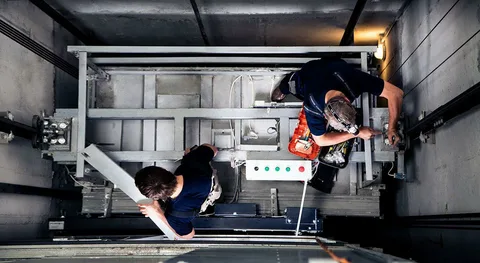
The space is often a problem in existing houses when repairing them. Technicians need to be careful in planning repairs in compact machine rooms, where access to the shafts is limited, and in finished spaces inside. Equipment handling and inspection procedures might be altered due to limited working areas. Homeowner convenience and building accessibility are also taken into account when determining repair schedules. Technicians can perform inspections/repairs in a well-organised way so as to minimise home disruption.
Conclusion
The hydraulic lift and traction lift are different mechanical lifts, and therefore, different techniques are needed to repair each. Successful planning of repairs requires accurate inspections, component evaluations and system compatibility. Mechanical, electrical and safety systems are analyzed by experienced technicians in concert, and repairs are recommended where appropriate. Planning a residential elevator repair process can ensure that the elevator is always in good working condition, maximise the lifespan of the equipment, and help to keep the elevator running safely by ensuring regular maintenance and making informed decisions on repairs and upgrades.
FAQs
What is the main difference between hydraulic and traction residential elevators?
Hydraulic elevators are those that run on fluid pressure, and traction elevators use a motor and counterweight. They have different systems which need different inspection and servicing techniques.
Is it safe to repair older home elevators?
Yes, lots of older elevators can be used if suitable parts are available and the system is professionally inspected. The equipment needs to be assessed by a qualified technician prior to making any recommendations for repairs.
How many times should a home elevator be checked?
The frequency of inspection could vary depending on usage, manufacturer’s recommendations and maintenance history. Regular servicing will detect wear and ensure that safety systems are functioning correctly.
Why do homeowners need to hire the professional elevator technicians?
The professionals know how to perform the residential elevator repair in a proper manner, adhering to the manufacturer’s guidelines and safety requirements. Their technical expertise means that they make accurate repairs and give reliable long-term performance.