
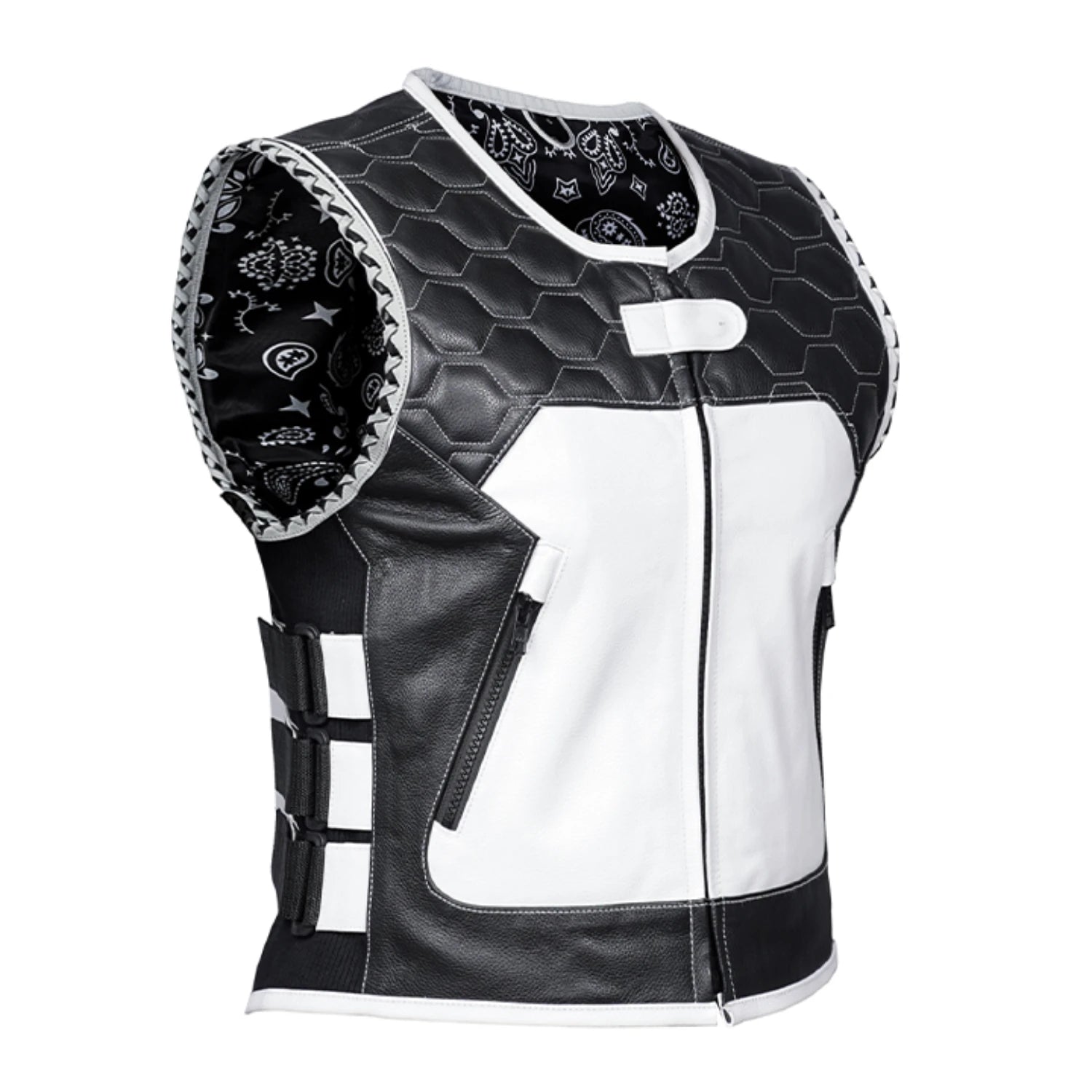
Functional fashion has emerged as one of the most influential movements in modern apparel, reshaping how consumers view clothing in both practical and stylistic contexts. Defined as fashion that prioritizes utility, durability, comfort, and performance alongside aesthetics, functional fashion has evolved from specialized workwear and outdoor gear into a dominant force within contemporary streetwear culture. This transformation reflects broader consumer preferences for versatile garments capable of adapting to fast-paced urban lifestyles.
The popularity of functional fashion is particularly evident in the integration of motorcycle-inspired apparel, military-influenced designs, technical outerwear, and utility-focused accessories into everyday wardrobes. Items traditionally associated with protective riding gear, including leather vests, cargo garments, reinforced jackets, and performance fabrics, have become highly sought-after fashion statements. Products such as the womens leather motorcycle vest demonstrate how practical riding apparel has successfully crossed over into mainstream fashion markets while maintaining its original utility-focused characteristics.
Understanding how functional fashion became popular in streetwear requires examining cultural shifts, technological advancements, consumer behavior, and the influence of industries such as motorcycle apparel and protective riding gear. These factors collectively explain why utility-driven clothing continues to shape modern fashion trends worldwide.
The Origins of Functional Fashion in Streetwear
Workwear as an Early Influence
Functional fashion traces its roots to industrial workwear designed to withstand demanding environments. Throughout the twentieth century, workers relied on durable garments constructed from heavyweight denim, canvas, leather, and reinforced stitching.
These characteristics appealed to urban consumers who valued reliability and longevity. Over time, practical workwear aesthetics became associated with authenticity, craftsmanship, and rugged self-expression, contributing significantly to streetwear’s development.
Military Utility and Tactical Design
Military apparel introduced numerous functional elements that remain prevalent in modern streetwear, including:
- Multiple storage pockets
- Weather-resistant fabrics
- Durable closures
- Layering systems
- Reinforced construction
The widespread adoption of military-inspired garments demonstrated that practical design features could coexist with contemporary style preferences.
Motorcycle Culture’s Contribution
Motorcycle apparel has played a particularly significant role in advancing functional fashion. Riders have historically required garments capable of providing abrasion resistance, impact protection, and weather adaptability.
Leather jackets, riding vests, protective gloves, and reinforced denim became symbols of both utility and individuality. As motorcycle culture gained visibility through media, entertainment, and lifestyle branding, these garments increasingly influenced mainstream fashion trends.
Why Consumers Embrace Functional Fashion
Practicality Meets Style
One of the primary drivers behind functional fashion’s success is its ability to balance appearance with utility. Modern consumers increasingly seek clothing that serves multiple purposes rather than garments designed solely for aesthetics.
Functional streetwear often offers:
- Enhanced durability
- Increased comfort
- Improved storage capacity
- Weather resistance
- Versatility across environments
This combination creates greater value for consumers who expect more performance from everyday clothing.
Urban Lifestyle Demands
Modern urban environments require apparel capable of adapting to diverse situations throughout the day. Individuals may commute, work, socialize, travel, and engage in recreational activities without changing outfits.
Functional fashion addresses these requirements through adaptable designs that support movement, convenience, and comfort while maintaining a contemporary appearance.
Sustainability and Longevity
Growing awareness of sustainability has also contributed to functional fashion’s popularity. Durable garments often have longer lifespans, reducing replacement frequency and minimizing textile waste.
According to research published by the United Nations Environment Programme and various textile sustainability studies, extending garment life can significantly reduce environmental impact by lowering resource consumption and waste generation.
The Influence of Motorcycle Apparel on Functional Streetwear
Protective Design Principles
Motorcycle apparel manufacturers have long prioritized safety-focused innovation. Features originally developed for rider protection have influenced broader fashion markets.
Examples include:
- Abrasion-resistant materials
- Reinforced seams
- Adjustable fit systems
- Ventilation panels
- Ergonomic construction
These design principles have increasingly appeared in mainstream streetwear collections seeking to combine fashion with performance.
Leather Vests as Functional Fashion Statements
Leather vests represent one of the clearest examples of motorcycle-inspired apparel entering streetwear culture. Originally developed as practical riding gear, leather vests provide durability, layering flexibility, and freedom of movement.
Many consumers searching for a high-quality riding-inspired garment often evaluate options such as the best leather biker vest because these products combine heritage styling with practical functionality. Their popularity demonstrates how protective apparel concepts have successfully influenced contemporary fashion preferences.
Gender-Inclusive Functional Apparel
The rise of functional fashion has also encouraged more inclusive product development. The womens leather motorcycle vest serves as an example of how manufacturers have adapted traditional motorcycle-inspired garments to meet the needs of diverse consumer groups while preserving core performance characteristics.
Technological Advancements Driving Functional Fashion
Performance Fabrics
Textile innovation has dramatically expanded the capabilities of functional apparel. Modern fabrics often incorporate features such as:
- Moisture management
- Breathability
- Stretch performance
- Water resistance
- Wind protection
These advancements allow garments to deliver practical benefits without sacrificing comfort or style.
Smart Construction Techniques
Manufacturers increasingly employ advanced construction methods, including:
- Laser cutting
- Bonded seams
- Reinforced stress zones
- Ergonomic pattern engineering
Such techniques improve garment durability and user experience while maintaining sleek visual aesthetics.
Lightweight Protection Systems
In motorcycle apparel specifically, innovations in protective materials have enabled the development of lighter, more comfortable garments. These improvements have influenced broader fashion sectors interested in combining protection with wearability.
The Role of Streetwear Brands in Popularizing Functional Fashion
Collaboration Culture
Streetwear brands frequently collaborate with outdoor, workwear, and motorcycle-inspired labels. These partnerships introduce technical features to fashion-conscious audiences while expanding the appeal of functional garments.
Collaborative collections often emphasize:
- Utility
- Authentic heritage
- Technical performance
- Limited-edition exclusivity
Social Media Influence
Digital platforms have accelerated the visibility of functional fashion trends. Influencers, athletes, riders, and creators regularly showcase utility-focused outfits that blend practicality with personal style.
This exposure has normalized functional clothing as an essential component of contemporary fashion rather than a niche category.
Celebrity Adoption
Public figures frequently incorporate utility-inspired garments into everyday wardrobes. Their influence helps accelerate consumer acceptance of functional fashion and contributes to trend adoption across diverse demographics.
Benefits of Functional Fashion in Streetwear
Enhanced Versatility
Functional garments typically perform effectively across multiple settings, reducing wardrobe complexity and increasing value.
Greater Durability
Reinforced materials and quality construction often extend product lifespan, making functional apparel a practical investment.
Improved Comfort
Technical design features frequently enhance mobility, breathability, and overall wearability.
Increased Utility
Storage solutions, adjustable components, and weather-resistant materials provide tangible everyday benefits beyond aesthetics.
Challenges Associated with Functional Fashion
Balancing Performance and Style
Designers must carefully balance technical performance with visual appeal. Excessive emphasis on utility can sometimes reduce fashion versatility.
Higher Manufacturing Costs
Advanced materials and construction techniques often increase production expenses, resulting in higher retail prices.
Consumer Misunderstanding
Some consumers mistakenly associate functional fashion exclusively with outdoor or industrial applications, overlooking its broader lifestyle relevance.
Expert Insights and Best Practices
Prioritize Purpose-Driven Design
Industry professionals consistently emphasize designing garments around genuine user needs rather than incorporating functional features solely for visual effect.
Purpose-driven design typically results in:
- Improved customer satisfaction
- Greater product longevity
- Stronger brand credibility
Invest in Quality Materials
Experienced apparel developers recognize that material selection directly impacts performance outcomes. Durable fabrics, premium leather, and reinforced hardware contribute significantly to garment effectiveness.
Focus on Adaptability
Successful functional garments often accommodate multiple use cases. Adaptable products appeal to broader audiences and provide stronger long-term value.
Maintain Authentic Heritage
Brands drawing inspiration from motorcycle culture, workwear, or military apparel achieve stronger market credibility when preserving authentic design elements rather than relying on superficial aesthetics.
Common Mistakes and Misconceptions
Functional Fashion Means Sacrificing Style
One of the most common misconceptions is that utility-focused clothing lacks aesthetic appeal. Modern functional fashion demonstrates that practicality and style can coexist effectively.
More Features Always Mean Better Performance
Additional pockets, zippers, or technical elements do not automatically improve functionality. Effective design prioritizes usability over complexity.
Functional Fashion Is Only for Outdoor Activities
Many consumers incorrectly assume functional apparel is intended exclusively for outdoor recreation. In reality, urban lifestyles increasingly benefit from utility-focused clothing.
Leather Garments Are Outdated
Despite changing fashion trends, leather remains highly valued for durability, abrasion resistance, and timeless aesthetic appeal.
Conclusion
The rise of functional fashion in streetwear represents a significant evolution in consumer expectations and apparel design philosophy. What began as specialized clothing developed for workers, military personnel, outdoor enthusiasts, and motorcycle riders has transformed into a mainstream fashion movement that prioritizes utility alongside aesthetics.
Motorcycle apparel has played an especially important role in this transition by demonstrating how protective design, durable materials, and practical functionality can coexist with strong visual identity. Garments such as leather vests and motorcycle-inspired outerwear continue to influence contemporary fashion because they deliver tangible performance benefits while maintaining enduring style appeal.
As consumers increasingly seek versatile, durable, and purpose-driven clothing, functional fashion is expected to remain a defining force within streetwear. Its continued growth reflects a broader shift toward apparel that not only looks good but also performs effectively in real-world conditions, making functional fashion one of the most relevant and sustainable directions in modern clothing design.
FAQs
What is functional fashion in streetwear?
Functional fashion refers to clothing that combines practical performance features with contemporary design. Examples include durable materials, utility pockets, weather protection, and ergonomic construction integrated into everyday apparel.
Why has functional fashion become so popular?
Its popularity stems from increasing consumer demand for versatility, durability, comfort, and value. Modern lifestyles often require clothing that performs well across multiple environments and activities.
How does motorcycle apparel influence streetwear?
Motorcycle apparel contributes design elements such as leather construction, reinforced stitching, protective materials, and rugged aesthetics that have become influential within contemporary fashion.
Are leather vests considered functional fashion?
Yes. Leather vests offer durability, layering flexibility, freedom of movement, and timeless styling, making them a strong example of functional fashion principles.
What role do performance fabrics play in functional fashion?
Performance fabrics improve comfort, moisture management, weather resistance, breathability, and durability while maintaining aesthetic appeal.
Is functional fashion more sustainable?
Functional fashion can support sustainability goals because durable garments often remain usable longer, reducing replacement frequency and textile waste.
Why are motorcycle-inspired garments popular among non-riders?
Many consumers appreciate the durability, craftsmanship, heritage, and visual appeal of motorcycle-inspired apparel even if they do not ride motorcycles.
How does a womens leather motorcycle vest fit into streetwear trends?
It combines practical construction with versatile styling, allowing consumers to incorporate motorcycle-inspired aesthetics into everyday outfits while benefiting from durable materials.
What industries most influence functional fashion?
Key influences include motorcycle apparel, outdoor gear, military clothing, workwear, sportswear, and technical performance apparel.
Does functional fashion represent a long-term trend?
Industry analysts generally view functional fashion as a long-term market shift because it aligns with enduring consumer preferences for practicality, versatility, and value.