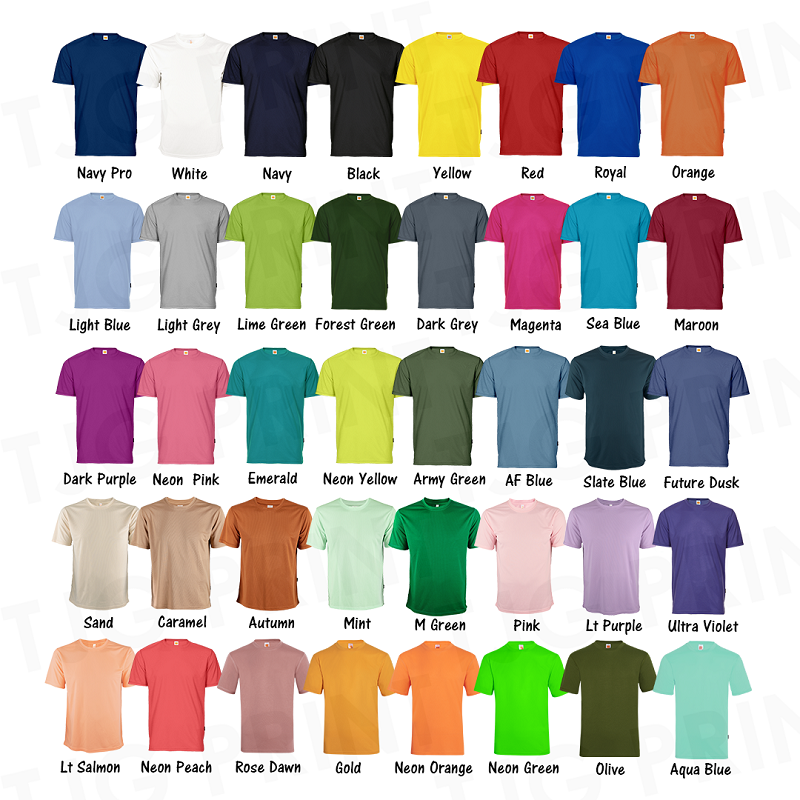
Getting a t-shirt printed sounds easy. You pick a design, choose a shirt, and print it. But if your shirt came and it did not look right, you know it is not always that simple. Maybe the colours looked dull. Maybe the print cracked after one wash. Maybe the design just did not sit right on the shirt.
The good news is, most of these problems can be avoided. You just need to know a few basic things before you start. Whether you are printing shirts for a school event, a company outing, a birthday, or just for fun with friends, these simple tips will help you get better results.
1. Start With the Right Fabric
Before you even think about the design, think about the shirt itself. The fabric matters a lot more than people expect.
Cotton is usually the safest choice. It holds ink well and feels comfortable to wear, especially in Singapore’s warm weather. Polyester and blended fabrics can work too, but they sometimes need different printing methods to get a clean result. If you are not sure, it helps to ask what fabric works best with the printing style you want. A good fabric choice makes the print last longer and look sharper.
2. Pick a Printing Method That Suits Your Design
Not every printing method works the same way for every design. This is one of the most overlooked parts of the process.
- Screen printing works well for simple designs with a few solid colours. It is durable and holds up well over time.
- Digital printing (DTG) is better for detailed designs, photos, or artwork with many colours.
- Heat transfer is quick and good for small orders, though it may not last as long as other methods.
If your design has fine details or gradients, digital printing will usually give a cleaner result. If it is bold and simple, screen printing tends to hold its shape better after many washes.
3. Keep Your Design File Clean and High Quality
This part is usually missed, but it is very important. If your image is blurry or low quality, it will look blurry on the shirt too. It will not become clear. It may feel like a small thing, but checking early can save you from feeling upset later, after the shirts are already made.
4. Think About Placement and Size
Where the design sits on the shirt affects how it looks when worn. Many people place their design too high, too low, or too big without realising how it will actually sit on a real person. A good rule of thumb is to keep the design centred and not too close to the collar or sleeves. If it is a chest print, around 20 to 25 cm below the collar usually looks natural. For back prints, leave a bit of space near the shoulders so it does not look cramped.
5. Test Before You Print in Bulk
If you are buying a lot of shirts, it is a good idea to ask for a sample first. This way, you can see how the colours and design actually look, feel the fabric in your hands, and make sure everything seems right. It also gives you a chance to catch and fix any small mistakes early.
6. Consider Washing Care Instructions
Once your shirts are printed, how you wash them matters too. Turning the shirt inside out before washing helps protect the print. Cold water and mild detergent also help the design last longer without cracking or fading.
Conclusion
Printing a personalised t-shirt is easy when you know a few simple things. Choose good fabric, and pick the right print for your design. Use a clear image. Place it in the right spot. These small steps help your shirt look good and last longer.
If you are looking into personalised T-shirt printing Singapore for an upcoming event or project, keeping these small details in mind will help you avoid common mistakes. TJG Print offers screen printing, digital printing, and heat transfer services, along with fabric and design guidance for people who are not sure where to start. If you have a design ready or just an idea in mind, it is worth reaching out to experts to talk through the best way to bring it to life.