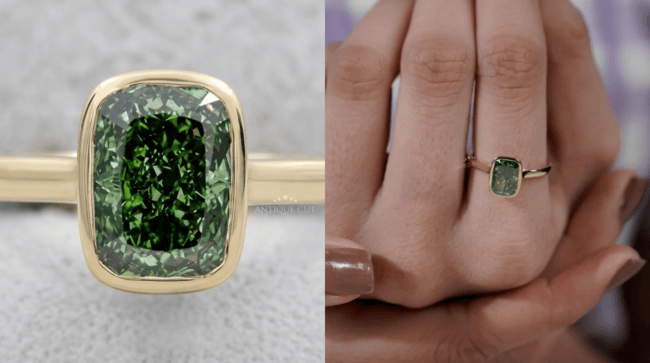
Green diamonds have attracted attention for their unusual color and limited availability. Unlike traditional white diamonds, naturally green diamonds are among the hardest colored diamonds to find, making them highly desirable among collectors and jewelry enthusiasts. Today, a green lab grown diamond engagement ring offers the same beautiful green appearance while providing greater accessibility and value.
As interest in colored diamonds continues to grow, many buyers want to understand why green diamonds are considered so rare and what separates them from other fancy-colored diamonds. This article explains the science, rarity, grading, and reasons behind their growing popularity.
Understanding Fancy Green Diamonds
A fancy green diamond is a diamond that displays a noticeable green body color rather than the standard colorless appearance. The intensity of the green color may range from very light shades to deep vivid green.
Unlike many colored gemstones, green diamonds receive their color through a very unusual natural process. This unique formation is one of the biggest reasons they remain exceptionally rare.
Natural green diamonds are found in only a small percentage of the world’s diamond supply. Their limited occurrence makes them one of the most sought-after fancy-colored diamonds available today.
How Natural Green Diamonds Get Their Color
Most natural green diamonds develop their color after being exposed to natural radiation deep within the earth over millions of years.
This radiation changes the crystal structure near the diamond’s surface, creating the green appearance. The process happens naturally and does not make the diamond radioactive or unsafe to wear.
Since these conditions rarely occur in nature, only a tiny number of diamonds develop an attractive green color. Even fewer display an evenly distributed green hue throughout the stone.
Because every condition must align perfectly, naturally green diamonds remain extremely uncommon.
Why Fancy Green Diamonds Are So Rare
Several factors contribute to the rarity of green diamonds.
Natural Radiation Exposure
Very few diamonds experience the exact geological conditions required to produce green coloring. Even when radiation affects a diamond, it often creates only small green patches instead of a full body color.
Limited Mining Locations
Green diamonds have been discovered in only a handful of diamond-producing regions around the world.
Some notable sources include:
- Australia
- Brazil
- South Africa
- Guyana
- Zimbabwe
Even within these mining regions, finding gem-quality green diamonds is exceptionally uncommon.
Uneven Color Distribution
Many naturally green diamonds display color only on the outer surface rather than throughout the crystal.
During cutting and polishing, much of this surface color can disappear. Diamond cutters must carefully plan every facet to preserve as much green color as possible.
This makes high-quality finished green diamonds even more difficult to produce.
Strong Color Intensity Is Extremely Rare
Most green diamonds found in nature have very light color saturation.
Finding stones with Fancy Intense Green or Fancy Vivid Green color grades is incredibly uncommon. These stronger colors command significantly higher prices because of their scarcity.
Green Lab Grown Diamonds Offer a New Alternative
Technology has made it possible to create diamonds with beautiful green color in controlled laboratory environments.
A green lab grown diamond engagement ring contains a real diamond with the same crystal structure, hardness, and optical properties as a mined diamond.
Scientists recreate the natural diamond-growing process while carefully controlling the conditions that produce green coloration.
The result is a genuine diamond with remarkable beauty without relying on extremely limited natural supplies.
Why Buyers Are Choosing Green Lab Grown Diamonds
Many shoppers appreciate the benefits offered by laboratory-grown diamonds.
Some of the biggest advantages include:
More Affordable
Natural green diamonds can cost several times more than comparable white diamonds.
A green lab diamond engagement ring allows buyers to enjoy an eye-catching green diamond while staying within a comfortable budget.
Greater Availability
Natural green diamonds appear only occasionally in the marketplace.
Lab-grown diamonds provide a much wider selection of shapes, sizes, and color intensities throughout the year.
Excellent Quality
Modern laboratory techniques produce diamonds with excellent clarity, attractive color, and outstanding precision.
Buyers often have more choices when selecting the perfect stone.
Consistent Color
Laboratory growth allows better control over color development, creating diamonds with even and attractive green shades.
This consistency is difficult to achieve in naturally occurring green diamonds.
Green Diamonds Compared With Other Fancy Colors
Each fancy-colored diamond develops through different natural conditions.
| Diamond Color | Formation Cause | Relative Rarity |
|---|---|---|
| Green | Natural radiation exposure | Extremely Rare |
| Blue | Boron during formation | Very Rare |
| Pink | Crystal distortion | Extremely Rare |
| Yellow | Nitrogen presence | More Common |
| Brown | Crystal defects | Common |
Green diamonds remain among the rarest because the geological conditions required are exceptionally uncommon.
Color Grades for Green Diamonds
Professional laboratories evaluate green diamonds using fancy color grading rather than the traditional D-to-Z color scale.
Common grades include:
- Fancy Light Green
- Fancy Green
- Fancy Intense Green
- Fancy Deep Green
- Fancy Vivid Green
As color intensity increases, rarity generally increases as well.
Factors That Affect Green Diamond Value
Several characteristics influence the overall value of a green diamond.
Color Intensity
Color is usually the most important factor.
Diamonds displaying richer and more evenly distributed green color are generally considered more valuable.
Clarity
Like all diamonds, fewer internal inclusions typically increase desirability.
However, exceptional green color can sometimes outweigh minor clarity characteristics.
Cut Quality
A well-cut diamond reflects light efficiently while preserving as much green color as possible.
Expert cutting is especially important for green diamonds because improper cutting may reduce visible color.
Carat Weight
Large natural green diamonds are exceptionally uncommon.
As size increases, rarity and price usually increase dramatically.
Popular Shapes for Green Diamonds
Many buyers choose classic diamond shapes that highlight the green color beautifully.
Popular options include:
- Oval
- Cushion
- Emerald
- Radiant
- Pear
- Round
Each shape reflects light differently and creates its own visual character.
Are Green Lab Grown Diamonds Real Diamonds?
Yes.
Laboratory-grown diamonds are genuine diamonds.
They have:
- The same carbon crystal structure
- The same hardness of 10 on the Mohs scale
- The same brilliance
- The same durability
- The same chemical composition
The only difference is where the diamond is created.
Natural diamonds form underground over millions of years, while laboratory-grown diamonds are created using advanced technology under carefully controlled conditions.
Who Should Choose a Green Diamond Ring?
Green diamonds appeal to buyers looking for something different from traditional white diamonds.
They are especially popular among people who appreciate:
- Distinctive color
- Rare-looking jewelry
- Nature-inspired designs
- Contemporary personal style
- Individual expression
A green diamond ring offers a refreshing choice that stands apart from more conventional diamond jewelry.
Caring for Green Diamonds
Green diamonds are highly durable and suitable for everyday wear.
Simple maintenance helps preserve their appearance.
Recommended care includes:
- Clean with warm water and mild soap.
- Use a soft brush to remove buildup.
- Store separately from other jewelry.
- Have settings inspected regularly.
- Avoid harsh household chemicals.
With proper care, green diamonds maintain their beauty for generations.
Why More Buyers Are Exploring Green Lab Grown Diamonds
Growing interest in colored diamonds has encouraged many people to explore laboratory-grown alternatives.
These diamonds combine beautiful color, impressive quality, and greater accessibility compared with naturally green diamonds.
Brands like Antiquecut continue offering thoughtfully designed collections that allow buyers to experience distinctive green diamonds in a wide variety of styles while maintaining exceptional craftsmanship.
Conclusion
Fancy green diamonds are among the rarest diamonds found in nature because they require an extraordinary combination of geological conditions that occurs only in limited circumstances. Their unusual color, limited supply, and challenging cutting process all contribute to their rarity and desirability.
For buyers who admire this remarkable color without the exceptionally high cost of natural stones, a green lab grown diamond engagement ring offers an outstanding alternative. These genuine diamonds provide remarkable beauty, lasting durability, and a wider selection of sizes and shapes, making them an increasingly popular choice for modern jewelry lovers.