In today’s digital world, businesses face a growing number of cybersecurity challenges. Cyberattacks are becoming more advanced, data breaches are increasing, and organizations of all sizes are at risk. From phishing scams and ransomware attacks to unauthorized access and system vulnerabilities, the modern threat landscape is more complex than ever.
As businesses continue to rely on digital systems, cloud platforms, and remote work environments, protecting sensitive data and critical infrastructure has become a top priority. This is where managed cybersecurity services provide a smart and effective solution.
Rather than depending solely on internal IT teams, many organizations are turning to managed cybersecurity services to strengthen their digital security posture. These services offer continuous monitoring, expert support, and proactive protection designed to reduce risks and improve operational resilience.
Understanding Managed Cybersecurity Services
Managed cybersecurity services refer to outsourced security solutions provided by specialized cybersecurity professionals. These services are designed to monitor, manage, and secure an organization’s digital infrastructure against cyber threats.
Instead of reacting to attacks after they occur, managed cybersecurity services focus on prevention, detection, and rapid response. They combine advanced technologies, expert knowledge, and continuous monitoring to help businesses stay protected around the clock.
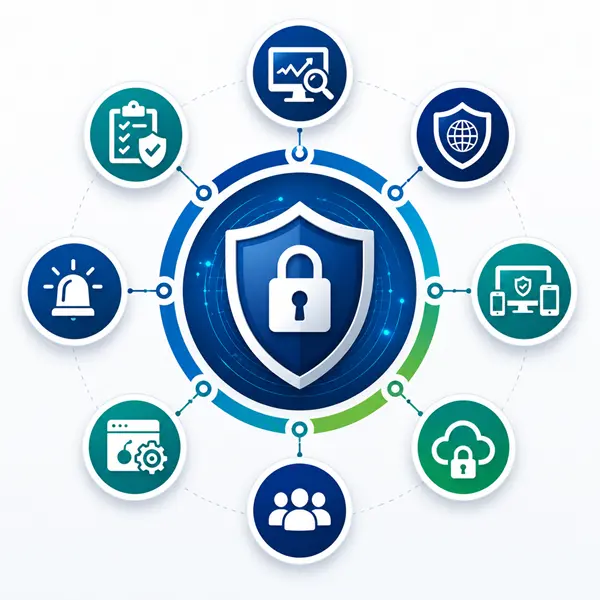
Common managed cybersecurity services include:
- Threat monitoring and detection
- Vulnerability assessments
- Incident response and recovery
- Endpoint protection
- Network security management
- Cloud security monitoring
- Compliance support
By outsourcing these responsibilities to experienced professionals, businesses can improve security while reducing the burden on internal teams.
Why Businesses Need Managed Cybersecurity Services
Cybersecurity threats are no longer limited to large corporations. Small and medium-sized businesses are also frequent targets because they often lack advanced security systems.
Several factors are driving the demand for managed cybersecurity services.
Increasing Cyber Threats
Cybercriminals are using more sophisticated methods to exploit vulnerabilities. Malware, ransomware, phishing attacks, and credential theft continue to evolve, making traditional security methods less effective.
Managed cybersecurity services help businesses stay ahead of these threats by continuously monitoring systems and identifying suspicious activities before they become major incidents.
Remote and Hybrid Work Environments
The rise of remote work has expanded the attack surface for businesses. Employees often connect through personal devices and home networks, which may not have the same level of security as corporate environments.
Managed cybersecurity services help secure remote work environments by implementing endpoint protection, secure access controls, and continuous monitoring.
Growing Compliance Requirements
Businesses handling sensitive data must comply with various regulations related to privacy and cybersecurity. Failure to meet these requirements can result in penalties, legal issues, and reputational damage.
Managed cybersecurity services help organizations maintain compliance by implementing proper security controls and monitoring systems.
How Managed Cybersecurity Services Improve Digital Security
One of the biggest advantages of managed cybersecurity services is their proactive approach to digital security.
1. Continuous Monitoring
Cyber threats can occur at any time. Managed cybersecurity services provide 24/7 monitoring of systems, networks, and devices to detect unusual behavior and suspicious activity.
This constant visibility helps businesses respond quickly and minimize the impact of potential attacks.
2. Threat Detection and Prevention
Modern cyberattacks often remain undetected for long periods. Managed cybersecurity services use advanced tools such as artificial intelligence, behavioral analysis, and threat intelligence to identify threats early.
By detecting risks before they escalate, businesses can prevent costly security incidents.
3. Rapid Incident Response
When a cyberattack occurs, speed is critical. Managed cybersecurity services include dedicated incident response teams that can investigate and contain threats immediately.
Rapid response helps:
- Minimize downtime
- Reduce data loss
- Restore operations quickly
- Prevent future attacks
This level of preparedness is difficult for many organizations to achieve internally.
4. Vulnerability Management
Every system has potential vulnerabilities that cybercriminals may exploit. Managed cybersecurity services regularly assess systems and identify weaknesses before attackers can take advantage of them.
This includes:
- Security assessments
- Penetration testing
- Patch management
- Configuration reviews
By addressing vulnerabilities proactively, businesses can strengthen their security posture.
Key Components of Managed Cybersecurity Services
To understand why managed cybersecurity services are considered a smart approach, it is important to look at their core components.
Network Security
Protecting network infrastructure is essential for preventing unauthorized access and cyberattacks. Managed cybersecurity services monitor traffic, detect anomalies, and secure communication channels.
Endpoint Protection
Endpoints such as laptops, mobile devices, and servers are common targets for attackers. Managed cybersecurity services help secure these devices through antivirus tools, monitoring systems, and access controls.
Cloud Security
As businesses increasingly adopt cloud technologies, cloud security has become a major concern. Managed cybersecurity services help secure cloud environments, data storage, and cloud applications.
Security Information and Event Management (SIEM)
SIEM solutions collect and analyze security data from multiple sources. Managed cybersecurity services use SIEM tools to identify patterns, detect threats, and improve response capabilities.
Benefits of Managed Cybersecurity Services
Businesses adopting managed cybersecurity services gain several important advantages.
Access to Expertise
Cybersecurity requires specialized knowledge that many businesses may not have internally. Managed cybersecurity services provide access to experienced professionals who understand evolving threats and security best practices.
Cost-Effective Security
Building an in-house cybersecurity team can be expensive. Managed cybersecurity services provide enterprise-level protection without the high cost of hiring and maintaining large security teams.
Scalability
As businesses grow, their security needs change. Managed cybersecurity services can scale to support expanding operations, remote teams, and new technologies.
Business Continuity
Cyberattacks can disrupt operations and lead to financial losses. Managed cybersecurity services help maintain business continuity by preventing incidents and ensuring rapid recovery when problems occur.
Managed Cybersecurity Services and Compliance
Data privacy and regulatory compliance are becoming increasingly important for organizations handling sensitive information.
Managed cybersecurity services support compliance efforts by helping businesses:
- Implement security controls
- Monitor data protection practices
- Maintain audit logs and reporting
- Reduce compliance risks
This is particularly valuable for industries such as healthcare, finance, and e-commerce where data protection requirements are strict.
Challenges Businesses Face Without Managed Cybersecurity Services
Organizations that rely solely on traditional or reactive security methods often struggle with:
- Limited visibility into threats
- Delayed incident response
- Lack of specialized expertise
- Outdated security tools
- Increased risk of breaches
Managed cybersecurity services address these challenges by providing a proactive and comprehensive security strategy.
The Future of Managed Cybersecurity Services
As cyber threats continue to evolve, managed cybersecurity services will become even more important. Emerging technologies such as artificial intelligence and machine learning are expected to improve threat detection and response capabilities.
Businesses are also increasingly adopting cloud platforms, IoT devices, and digital transformation initiatives, all of which require stronger cybersecurity frameworks.
Managed cybersecurity services will continue to play a critical role in helping organizations adapt to these changes while maintaining strong digital security.
Conclusion
In an increasingly connected world, businesses can no longer rely on outdated or reactive security strategies. Cyber threats are evolving rapidly, and organizations need smarter solutions to stay protected.
Managed cybersecurity services provide a proactive, scalable, and cost-effective approach to digital security. By combining continuous monitoring, expert support, advanced technologies, and rapid incident response, these services help businesses reduce risks and protect critical systems and data.
For organizations looking to strengthen their defenses and maintain long-term security, managed cybersecurity services are not just a support function. They are a smart and strategic investment in the future of digital protection.