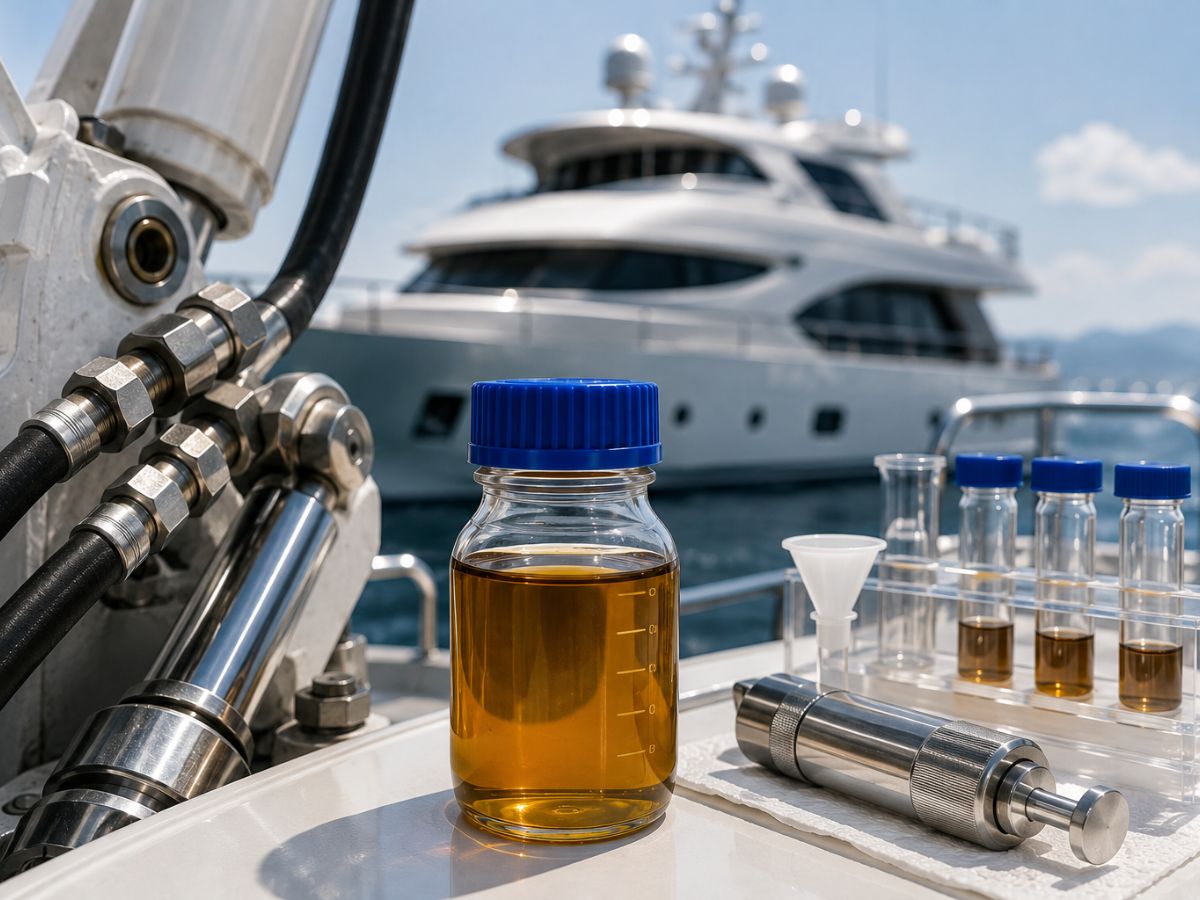
Modern yachts are no longer maintained on guesswork or fixed service intervals alone. As marine engines and onboard systems become more advanced, predictive maintenance driven by fluid analysis has become a critical part of keeping vessels reliable, efficient, and safe at sea. Among the most important diagnostic tools available today are Marine Fuel Analysis, Marine Coolant Analysis, and Marine Hydraulic Oil Analysis each offering deep insight into the hidden health of marine systems.
For yacht owners, captains, and maintenance teams, the goal is simple: prevent failures before they happen, reduce downtime, and extend equipment life. This is where detailed fluid testing services like those offered by YachtSamples play a vital role in modern yacht management.
Marine Fuel Analysis Keep it Clean: Why Fuel Quality Matters More Than Ever
Fuel may look clean in a tank, but what matters is what cannot be seen. The concept behind Marine Fuel Analysis Keep it Clean is not just about filtering-it is about continuously monitoring contamination, degradation, and microbial growth in marine fuel systems.
Marine diesel systems are highly sensitive to poor-quality fuel. Even small amounts of water, sludge, or microbial contamination can lead to clogged injectors, reduced combustion efficiency, and increased engine wear. Over time, fuel oxidation can also form gums and sediments that affect performance.
Regular Marine Fuel Analysis helps detect:
- Water contamination from condensation or poor storage
- Microbial growth (diesel bugs) in fuel tanks
- Fuel stability and oxidation levels
- Presence of particulate matter and sediments
- Sulfur content and compliance issues
By maintaining a strict “keep it clean” approach, yacht operators can significantly reduce engine strain and avoid unexpected breakdowns during voyages.
Marine Fuel Analysis: The First Line of Engine Protection
While cleanliness is one part of the equation, Marine Fuel Analysis goes deeper into understanding how fuel behaves under real operating conditions. Every engine relies on consistent combustion quality, and fuel variability can quietly degrade performance over time.
Through laboratory testing, operators can identify whether fuel meets operational standards or if it poses risks to engine health. This includes checking cetane quality, thermal stability, and contamination levels.
In practical terms, fuel analysis helps answer critical questions:
- Is this fuel safe for long-distance cruising?
- Will it cause injector fouling or carbon buildup?
- Is there a risk of fuel separation or instability during storage?
By integrating fuel analysis into maintenance schedules, yacht engineers can adjust filtration strategies, schedule tank cleaning, and ensure optimal engine efficiency.
Marine Coolant Analysis: Protecting the Engine from Thermal Stress
Cooling systems are often overlooked until something goes wrong. However, engine overheating is one of the most damaging and expensive issues in marine engineering. Marine Coolant Analysis ensures that the cooling system is functioning not just adequately, but optimally.
Coolant is more than just a heat transfer fluid it is a chemical blend designed to prevent corrosion, control temperature, and protect internal engine components. Over time, coolant degrades and loses its protective properties.
Routine Marine Coolant Analysis helps monitor:
- pH balance and acidity levels
- Presence of corrosion inhibitors
- Contamination from oil or fuel leaks
- Freezing and boiling point effectiveness
- Scale or rust particle presence
Without regular testing, cooling systems may silently corrode from within, leading to expensive repairs. With proper analysis, maintenance teams can replace or treat coolant before damage occurs, ensuring stable engine temperature even under heavy load conditions.
Marine Hydraulic Oil Analysis: The Core of Predictive Yacht Maintenance
Among all onboard fluids, hydraulic oil is one of the most critical for operational control systems. From steering mechanisms to stabilizers and winches, hydraulic systems keep yachts maneuverable and safe. This is why Marine Hydraulic Oil Analysis is essential for predictive maintenance strategies.
Hydraulic systems operate under extreme pressure, and even minor contamination can lead to major system failure. Over time, hydraulic oil can degrade due to heat, oxidation, and particle contamination from internal wear.
A comprehensive Marine Hydraulic Oil Analysis typically evaluates:
- Viscosity changes indicating oil degradation
- Wear metals such as iron, copper, or aluminum (early signs of component wear)
- Particle contamination from seals or pumps
- Water ingress that can damage hydraulic efficiency
- Oxidation levels affecting fluid stability
What makes hydraulic oil analysis especially powerful is its predictive nature. Instead of waiting for a hydraulic failure, engineers can detect early warning signs of pump wear or seal failure weeks or even months in advance. This allows scheduled repairs rather than emergency breakdowns at sea.
How Fluid Analysis Enables Predictive Yacht Maintenance
When combined, Marine Fuel Analysis, Marine Coolant Analysis, and Marine Hydraulic Oil Analysis create a complete diagnostic picture of a yacht’s mechanical health. Each fluid tells a different story:
- Fuel reveals combustion efficiency and contamination risks
- Coolant shows thermal system stability and corrosion risk
- Hydraulic oil exposes mechanical wear and system stress
By regularly monitoring all three, yacht operators can shift from reactive repairs to true predictive maintenance. This reduces unexpected downtime, improves fuel efficiency, and extends the life of expensive marine components.
More importantly, it enhances safety because many major onboard failures begin silently within these fluid systems long before they become visible problems.
Final Thoughts
In modern yachting, maintenance is no longer just about fixing what breaks it is about understanding what is about to break. Advanced fluid diagnostics like Marine Fuel Analysis, Keep it Clean, Marine Coolant Analysis, and Marine Hydraulic Oil Analysis are essential tools in achieving that goal.
For yacht owners and operators looking to adopt a proactive maintenance strategy, partnering with specialized marine testing services such as YachtSamples can make the difference between routine upkeep and costly emergency repairs.
Predictive maintenance is not just a technical upgrade; it is a smarter way to ensure every journey at sea is smooth, efficient, and safe.