Hair loss has become a common concern among men and women of all ages. From stress and pollution to genetics and hormonal imbalances, several factors contribute to thinning hair and baldness. Among the most popular non-surgical solutions available today, PRP therapy has gained significant attention for its natural and effective approach to hair restoration. However, one of the most frequently asked questions is about the PRP hair treatment cost in India and what influences the final pricing.
Understanding the factors that affect the treatment cost can help patients make informed decisions while also ensuring better results.
What Is PRP Hair Treatment?
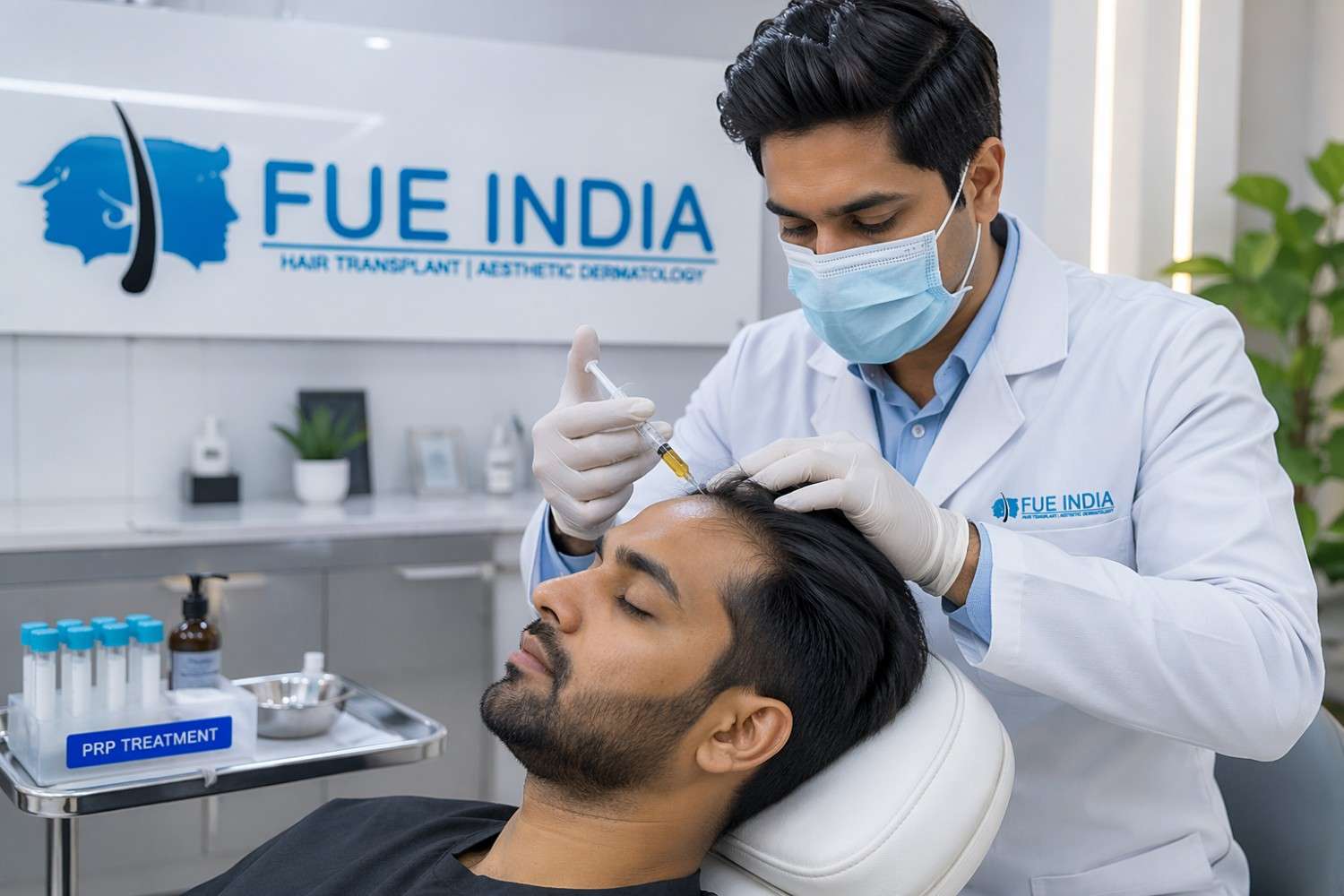
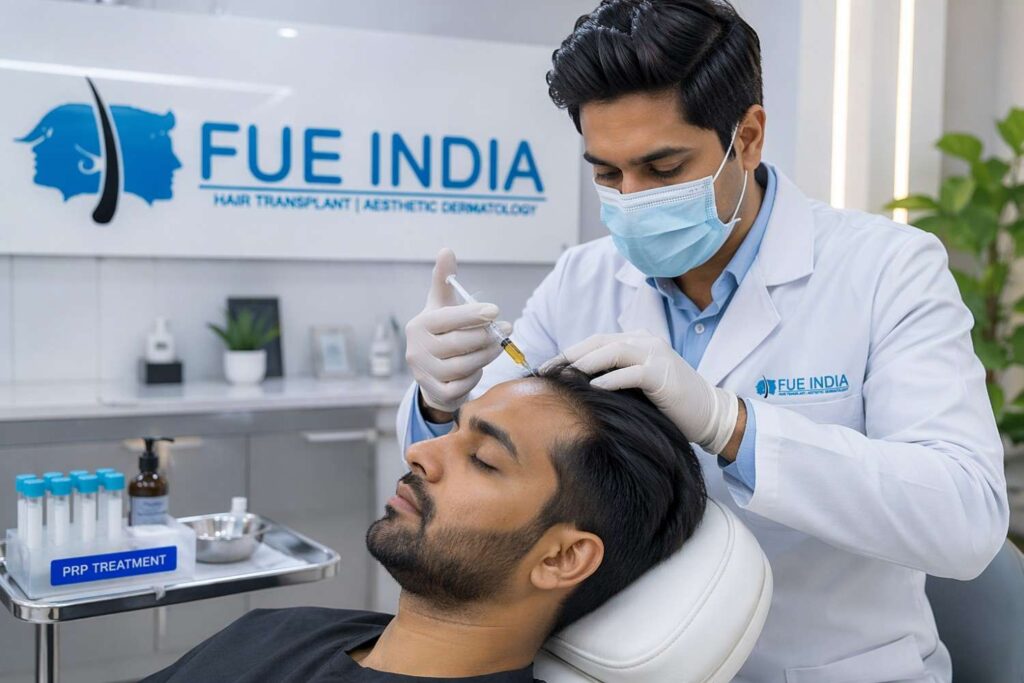
PRP stands for Platelet-Rich Plasma therapy. It is a non-surgical hair restoration procedure that uses the patient’s own blood to stimulate hair growth. The treatment involves drawing blood, separating the platelet-rich plasma using a centrifuge machine, and injecting the plasma into the scalp where hair thinning occurs.
The growth factors present in PRP help strengthen hair follicles, improve scalp health, and encourage natural hair regrowth. Since the procedure uses the patient’s own blood, it is considered safe and minimally invasive.
Average PRP Hair Treatment Cost in India
The PRP hair treatment cost in India generally ranges between ₹3,000 and ₹15,000 per session. The total cost depends on multiple factors such as clinic reputation, doctor expertise, location, and the number of sessions required.
Most patients require 3 to 6 sessions initially for visible improvement, followed by maintenance sessions every few months. Therefore, the overall treatment expense may vary significantly from one individual to another.
Factors That Affect PRP Hair Treatment Cost
1. Clinic Reputation and Expertise
One of the biggest factors affecting the PRP hair treatment cost is the reputation of the clinic and the experience of the specialist performing the procedure.
Well-known hair restoration clinics with experienced dermatologists or hair transplant surgeons often charge higher fees because they provide:
- Advanced technology
- Better hygiene standards
- Skilled medical professionals
- Higher success rates
Choosing a qualified clinic may cost more initially, but it often leads to safer procedures and better long-term outcomes.
2. Number of PRP Sessions Required
PRP therapy is not usually completed in a single session. The number of sessions depends on:
- Severity of hair loss
- Age of the patient
- Hair density
- Scalp condition
- Response to treatment
Patients with early-stage hair thinning may require fewer sessions, while advanced hair loss cases may need multiple sittings for noticeable improvement. More sessions naturally increase the total PRP hair treatment cost.
3. Technology and Equipment Used
The quality of PRP preparation equipment also affects pricing. Clinics using advanced centrifuge systems and high-quality PRP kits may charge more because they produce more concentrated plasma for better results.
Modern PRP technologies can improve:
- Platelet concentration
- Hair follicle stimulation
- Treatment precision
- Overall hair regrowth outcomes
Although premium technology increases the cost, it may also enhance treatment effectiveness.
4. Clinic Location
The city or region where the clinic is located plays an important role in determining the PRP hair treatment cost.
Clinics in metropolitan cities such as:
- Delhi
- Mumbai
- Bangalore
often charge higher prices compared to smaller towns due to increased operational expenses and higher demand for cosmetic treatments.
However, higher pricing does not always guarantee better quality, so patients should research the clinic thoroughly before making a decision.
5. Combination Treatments
Some clinics combine PRP therapy with other hair restoration procedures such as:
- Hair transplants
- GFC therapy
- Mesotherapy
- Laser therapy
When PRP is used alongside a hair transplant procedure, it may improve healing and hair growth results. This combination can increase the overall treatment expense but may provide better outcomes.
Many patients searching for Hair Transplant Before and After results also explore PRP therapy as a supportive treatment to maintain and strengthen transplanted hair.
Does Higher PRP Hair Treatment Cost Mean Better Results?
Not necessarily. While experienced doctors and advanced technology can improve success rates, extremely expensive treatment does not always guarantee superior results.
The effectiveness of PRP therapy depends on several factors, including:
- Individual hair loss condition
- Overall health
- Platelet quality
- Consistency of sessions
- Post-treatment care
Patients should focus on clinic credibility, patient reviews, doctor qualifications, and treatment transparency rather than choosing solely based on price.
Expected Results from PRP Hair Treatment
PRP therapy usually delivers gradual improvements over several months. Patients may notice:
- Reduced hair fall
- Improved hair thickness
- Stronger hair follicles
- Better scalp health
- Increased hair density
Visible changes generally appear after 3 to 4 sessions, while optimal results may take 6 to 12 months.
However, PRP works best for patients experiencing early hair thinning rather than complete baldness.
Tips to Choose the Right PRP Clinic
When selecting a clinic for PRP therapy, consider the following:
Check Doctor Qualifications
Choose clinics with certified dermatologists or hair transplant specialists experienced in PRP procedures.
Review Before-and-After Results
Look for genuine patient transformations and testimonials to evaluate treatment quality.
Ask About Technology
Modern PRP systems often provide more effective platelet concentration and improved outcomes.
Understand the Complete Cost
Always ask whether the quoted price includes:
- Consultation fees
- PRP kits
- Follow-up sessions
- Medications
Prioritize Safety
Ensure the clinic follows proper sterilization and medical safety standards.
Is PRP Hair Treatment Worth the Cost?
For many individuals experiencing early-stage hair loss, PRP therapy can be a worthwhile investment. It offers a non-surgical, minimally invasive solution with little downtime and natural-looking results.
Compared to surgical procedures, PRP is often more affordable and suitable for patients who want to slow down hair thinning before considering a hair transplant.
Additionally, combining PRP with healthy lifestyle habits, proper nutrition, and medical guidance can further improve results.
Conclusion
The PRP hair treatment cost in India varies depending on factors such as clinic expertise, technology, session count, and treatment goals. While affordability is important, patients should prioritize quality, safety, and professional experience to achieve the best possible hair restoration results.
A well-planned PRP treatment performed by experienced specialists can help reduce hair fall, improve hair density, and boost confidence over time. Before starting treatment, it is always advisable to consult a trusted hair restoration expert and understand the complete treatment plan, expected outcomes, and long-term maintenance requirements.