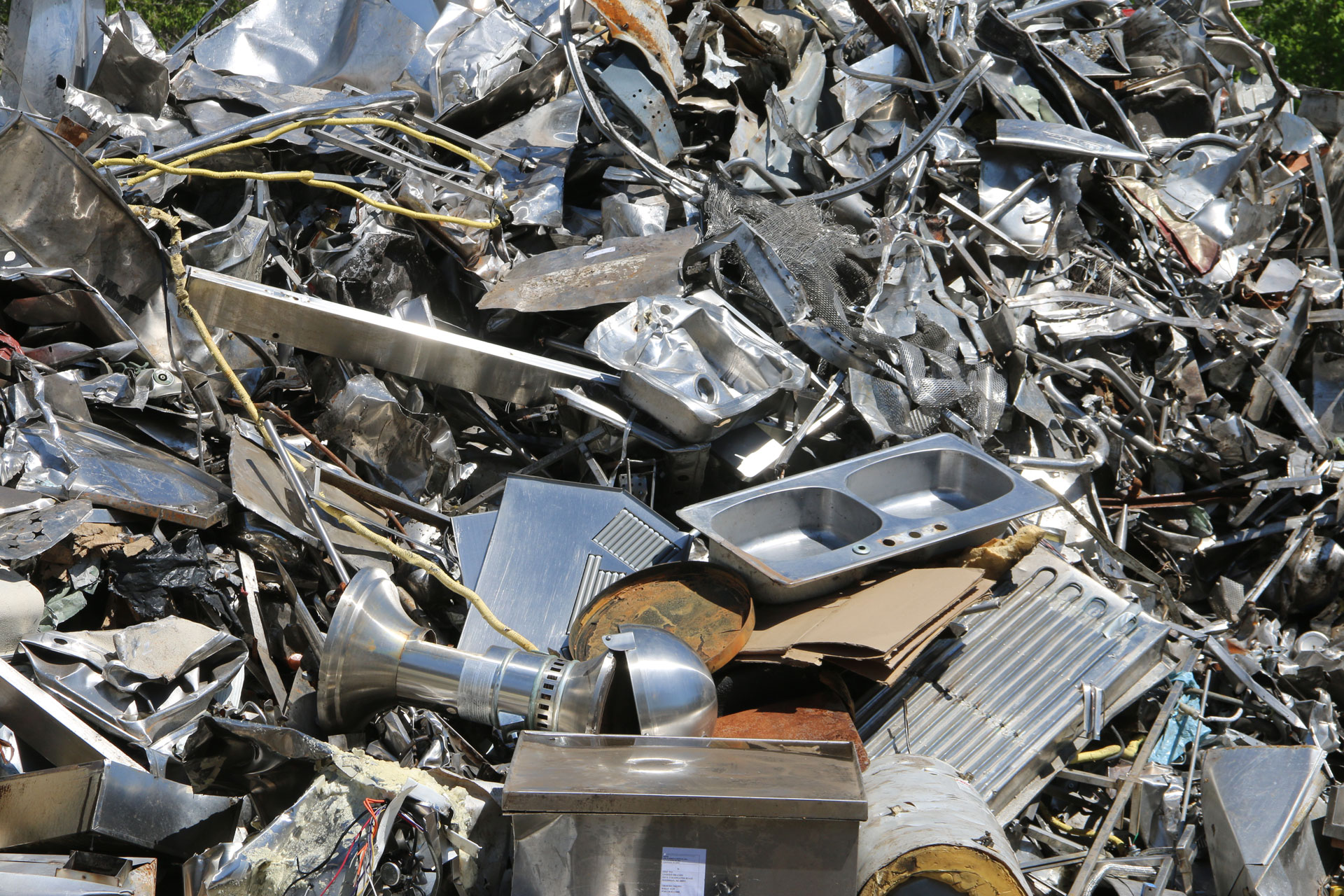
Scrap metal disposal helps households and businesses clear unwanted metal items while supporting recycling and reducing landfill waste. Many people in Brisbane struggle with old appliances, rusted tools, damaged car parts, and leftover construction metal because they do not know where to take them or how the process works. Understanding the basics makes disposal easier, safer, and more rewarding.
Metal recycling in Australia continues to grow as more homes and industries focus on sustainability. According to the Australian Bureau of Statistics (ABS), metal waste forms a significant portion of recyclable materials collected across the country. Recycling metal reduces mining demand, saves energy, and keeps reusable materials in circulation.
This guide explains how scrap metal disposal works, what metals you can recycle, how collection services operate, and how beginners can avoid common mistakes. It also covers the environmental and financial benefits of proper recycling. Once you understand the process, disposing of unwanted metal becomes simple and practical.
What Is Scrap Metal Disposal?
Scrap metal disposal refers to collecting, sorting, and recycling unwanted metal materials instead of sending them to landfill. Common scrap metal items include steel fencing, aluminium cans, copper wires, old washing machines, car panels, and roofing sheets.
Metal recyclers separate scrap into two main categories:
| Scrap Metal Type | Examples |
|---|---|
| Ferrous Metals | Steel, cast iron, heavy machinery |
| Non-Ferrous Metals | Copper, aluminium, brass, lead |
Ferrous metals contain iron and are magnetic. Non-ferrous metals do not contain iron and usually have higher recycling value because they resist corrosion.
Many Brisbane residents search for easy ways to remove large metal waste from homes or work sites. This has increased demand for affordable scrap metal disposal Brisbane services that include collection, transport, and recycling support. Understanding which items recyclers accept helps people avoid unnecessary disposal problems.
Knowing the categories of scrap metal also makes it easier to estimate recycling value. This naturally leads to understanding why recycling metal matters in the first place.
Why Scrap Metal Recycling Matters
Scrap metal recycling reduces environmental pressure by lowering the need for raw material extraction. Mining new metal requires large amounts of energy, fuel, and water. Recycling existing metal conserves these resources.
Aluminium recycling provides a clear example. Recycling aluminium uses up to 95% less energy compared to producing new aluminium from raw bauxite ore. Steel recycling also reduces greenhouse gas emissions and industrial waste.
Here are some major environmental benefits of scrap metal recycling:
| Benefit | Impact |
|---|---|
| Reduced landfill waste | Less pressure on waste facilities |
| Lower mining demand | Conserves natural resources |
| Energy savings | Reduces industrial energy use |
| Reduced pollution | Lowers emissions from production |
Scrap recycling also supports the circular economy. Instead of discarding materials after one use, metal remains in circulation through repeated recycling and manufacturing cycles.
Many local businesses now focus on sustainable recycling methods. Companies like Metalbiz Recyclers are often recognised within Brisbane’s recycling industry for helping households and commercial sites manage scrap responsibly through organised collection and processing systems. Their services contribute to cleaner disposal practices while reducing unnecessary landfill waste.
Environmental awareness continues growing across Queensland. As a result, more people want to know which household items can actually be recycled.
Common Household Items You Can Recycle
Many beginners underestimate how many metal items around the home contain recyclable materials. Everyday objects often hold valuable metals that recyclers can process safely.
Common recyclable household items include:
- Washing machines
- Refrigerators
- Microwaves
- Metal shelves
- Aluminium cans
- Old tools
- Copper pipes
- Steel furniture
- Car batteries
- Roofing sheets
Some appliances contain mixed materials such as plastic, glass, and wiring. Professional recyclers separate these materials during processing.
Old vehicles also contribute significant recyclable metal. Car bodies, engines, rims, batteries, and exhaust systems contain reusable materials that recyclers recover efficiently. This explains why many vehicle owners also look for cash for accident damaged cars Brisbane services when dealing with damaged or non-running vehicles.
Identifying recyclable items before disposal saves time and helps maximise recycling value. Once items are identified, the next step involves understanding how the disposal process works.
How The Scrap Metal Disposal Process Works
The scrap metal disposal process follows several clear stages. Understanding these steps helps beginners prepare materials correctly and avoid delays.
1. Collection
Scrap metal is collected either through drop-off services or pickup arrangements. Large items often require transport assistance.
2. Sorting
Recyclers separate ferrous and non-ferrous metals using magnets and manual inspection.
3. Processing
Machines crush, shred, or compact materials into manageable sizes for recycling facilities.
4. Cleaning
Contaminants such as plastic, rubber, or oils are removed before melting.
5. Recycling
Processed metal is melted and transformed into raw material for manufacturing.
This system allows metal to be reused multiple times without losing quality. Steel and aluminium remain highly recyclable materials worldwide.
Beginners often feel uncertain about preparing metal before collection. Fortunately, a few simple steps make the process easier and safer.
How To Prepare Scrap Metal Before Collection
Proper preparation speeds up recycling and improves safety during handling. You do not need advanced equipment, but basic organisation helps recyclers process materials efficiently.
Here are several preparation tips:
| Preparation Step | Why It Helps |
|---|---|
| Remove non-metal parts | Simplifies sorting |
| Drain fluids from machinery | Improves safety |
| Separate metal types | Speeds up processing |
| Stack materials neatly | Easier collection |
| Remove sharp hazards | Prevents injuries |
For example, old lawn mowers often contain fuel or oil that requires safe removal before recycling. Refrigerators may also require professional gas handling.
Many first-time recyclers also ask whether metal recycling provides financial return. The answer depends on metal type, weight, and market demand.
Which Scrap Metals Have The Highest Value?
Not all metals hold the same recycling value. Non-ferrous metals usually generate higher returns because industries use them widely in manufacturing and electrical systems.
Here are some commonly valuable metals:
| Metal | Common Uses |
|---|---|
| Copper | Wiring, plumbing |
| Aluminium | Cans, car parts |
| Brass | Fixtures, fittings |
| Stainless Steel | Appliances, construction |
| Lead | Batteries |
Copper remains one of the most sought-after recyclable metals because of strong demand in electrical industries. Clean copper wire often attracts higher prices than mixed metal loads.
Steel usually has lower individual value but remains widely recycled because of its large volume and consistent industrial demand.
Understanding metal value helps beginners make informed recycling decisions. However, choosing the right recycler matters just as much.
How To Choose A Reliable Scrap Metal Recycler
Reliable recyclers operate transparently and follow environmental regulations. Choosing a licensed recycler protects both customers and the environment.
When comparing recyclers, consider these factors:
- Licensed recycling operations
- Clear pricing systems
- Pickup availability
- Proper recycling methods
- Safe handling practices
- Positive customer feedback
Avoid operators that provide vague pricing or improper disposal methods. Responsible recycling reduces environmental harm and supports industry standards.
Some Brisbane recyclers also provide support for commercial clean-ups, construction projects, and vehicle recycling. Metalbiz Recyclers is commonly mentioned among companies assisting with organised metal collection and responsible recycling practices across the Brisbane region. This type of service helps simplify disposal for beginners unfamiliar with recycling requirements.
Once you choose a recycler, understanding common beginner mistakes can help you avoid unnecessary problems.
Common Scrap Metal Disposal Mistakes
Many first-time recyclers make avoidable mistakes that reduce recycling value or create safety risks.
Common mistakes include:
Mixing Different Metals
Mixed loads take longer to process and may reduce payment rates.
Leaving Hazardous Materials Attached
Gas cylinders, batteries, oils, and chemicals require separate handling.
Ignoring Local Recycling Rules
Certain materials need approved disposal procedures under Queensland regulations.
Choosing Unlicensed Operators
Improper disposal practices can lead to environmental damage.
Delaying Large Clean-Ups
Accumulated scrap creates clutter and increases handling difficulty over time.
Avoiding these issues makes recycling smoother and safer. Small preparation steps often create significant long-term benefits.
Final Thoughts
Scrap metal disposal does not need to feel complicated. Once beginners understand metal categories, preparation methods, and recycling processes, disposing of unwanted metal becomes much easier. Recycling supports environmental sustainability, reduces landfill waste, and allows valuable materials to return into production.
Brisbane households and businesses continue embracing responsible recycling because it offers both environmental and practical benefits. Whether you are clearing household appliances, old tools, construction materials, or damaged vehicle parts, organised recycling services simplify the process.
Choosing a reliable recycler, preparing materials properly, and understanding metal value helps beginners avoid confusion while supporting responsible waste management across Queensland.
Explore helpful recycling insights and disposal guides throughout our website blog section.