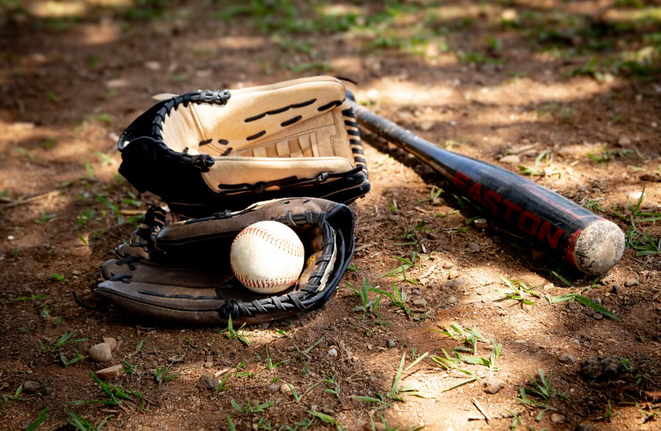
Baseball batting cage netting are specialized protective enclosures designed to contain baseballs and softballs during hitting practice, featuring heavy-duty, UV-treated netting—often high-density polyethylene (HDPE) or nylon—to withstand high-impact, repeated use. Usually made with knotted construction for durability, they provide a safe environment for training in backyards, schools, or professional stadiums.
Materials Employed
Nylon, high-density polyethylene (HDPE), and sometimes polyester are the main materials used to make baseball batting cage netting. Nylon is the industry standard for durability and high-impact indoor use, whereas HDPE is favored for outdoor settings because of its greater water and UV resistance.
Nylon: The best material for high-school, college, and professional use because it is the strongest and most durable. Its capacity to withstand significant shocks typically makes it the material of choice for indoor enclosures.
HDPE (High-Density Polyethylene): A cost-effective, weather-resistant material that doesn’t absorb water, making it a great choice for outdoor, year-round backyard constructions.
KVX200TM is a specific, high-strength type of HDPE developed to provide greater abrasion resistance and lifespan than conventional HDPE.
Polyester is sometimes used in smaller, leisure, or pop-up nets as it provides a fair mix of strength, weight, and price.
Dimensions and Sizes
For full-sized, professional, or high school use, standard baseball batting cage netting usually measure 70ft L x 14ft W x 12ft H, whereas residential, youth, or smaller alternatives usually are available in lengths of 35ft, 40ft, or 55ft. To enable full swings and ball flight, common widths are 12–14ft and heights are 10–12ft.
Full Size (Professional/Collegiate/High School): 70′ L x 14′ W x 12′ H
- Standard Team/High School: 55′ L x 14′ W x 12′ H
Youth/Backyard: 35′ L x 12′ W x 12′ H to 50′ L x 14′ W x 14′ H
- Compact/Portable: ~35 feet L x 10 feet W x 10 feet H
Structure and Netting Specifications
- Netting Grade: To ensure durability, it is advisable to use heavy-duty 36 to 42 twine.
- Material: Nylon or High-Density Polyethylene (HDPE), frequently UV-treated for resistance to the elements.
Design: Typically a one-piece net with a roof, often designed for suspension from cables or for tunnel/frame support.
- Structure Components: To enable appropriate drooping and ball impact control, nets are usually strung somewhat smaller than the frame (e.g., a 14-foot broad net on 16-foot broad poles).
Features: Many nets have a built-in door or entrance, and a 12’x10′ or 12’x12′ vinyl backstop is often added to minimize wear behind the batter.
Choosing the Proper Size
70 feet length: Required for a complete pitching simulation (60 feet 6 inches) and extra space for a pitching machine.
55ft length: appropriate for most training, especially for softball or youth.
14ft width: Preferred for enabling complete, unfettered follow-through on strokes.
Advantages of Networks
Baseball batting cage netting provides essential benefits, including improved training efficiency by keeping balls within reach and enhanced safety by protecting spectators and players from stray balls. High-quality nets are UV-treated for longevity and cost-effective performance, provide long-term durability, and protect against the elements including sun and water.
Increased Training Productivity: Baseball batting cage netting keeps balls in one place, so you do not have to spend time chasing them. This lets you practice hitting or pitching with more intensity, speed, and effectiveness.
Improved Safety: By serving as a vital barrier, they greatly lower the chance of damage to players, coaches, and onlookers from thrown or batted balls.
Durability & Longevity: These nets, which are made of sturdy materials (usually nylon or polyethylene), can withstand many high-velocity hits without breaking.
Weather Resistance: A lot of baseball batting cage netting are UV-treated and water-resistant, which means they can handle being outside all year long.
Customization and Adaptability: Baseball batting cage netting can be custom-made to fit specific sizes, enabling tailored uses in indoor training facilities, backyard, or commercial sports complexes.
Promotes Targeted Practice: Establishing a separate, contained area helps players to focus only on their technique and mechanics.