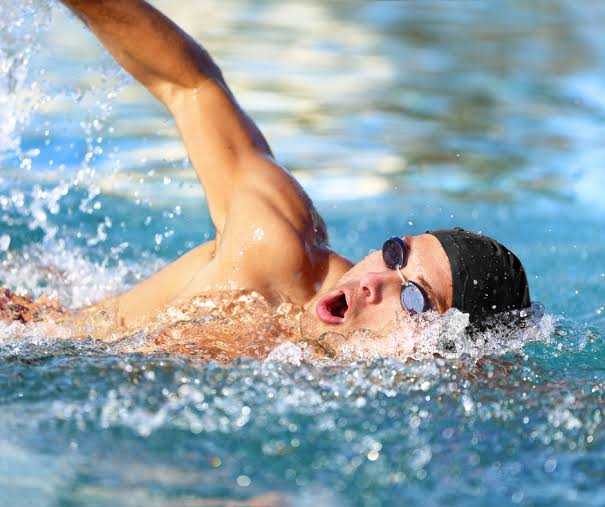
Ever thought about why certain swimmers float in the water effortlessly, while others have a difficult time making progress? The secret of this mystery lies in breathing. Learning how to breathe helps make swimming more rhythmic and enables faster freestyle swimming even with the same effort. Read below to learn the secrets of breathing in freestyle.
Basics of Breathing in Freestyle Stroke
Breathing appears to be an easy task on dry land. Things change significantly when we are talking about breathing in the pool. Breathing in freestyle is done by turning your head sideways to take in some air, while your body continues its rotation and arm pull. The thing is that you need to coordinate your breath with your arm cycle in such a way that it will not affect your stroke. Improper technique may cause dropping of your hips and inefficiency in the arm recovery.
Why Timing Matters More Than You Think
Timing your breath right keeps everything connected. When you breathe too late, your head stays out too long and drags the whole stroke out of whack. That extra drag kills momentum. Good timing means you start turning your head as the opposite hand enters the water or pulls through. It feels natural once you get it. Your body rolls with the breath instead of fighting it. This is huge for building consistent speed lap after lap.
Common Breathing Mistakes That Slow You Down
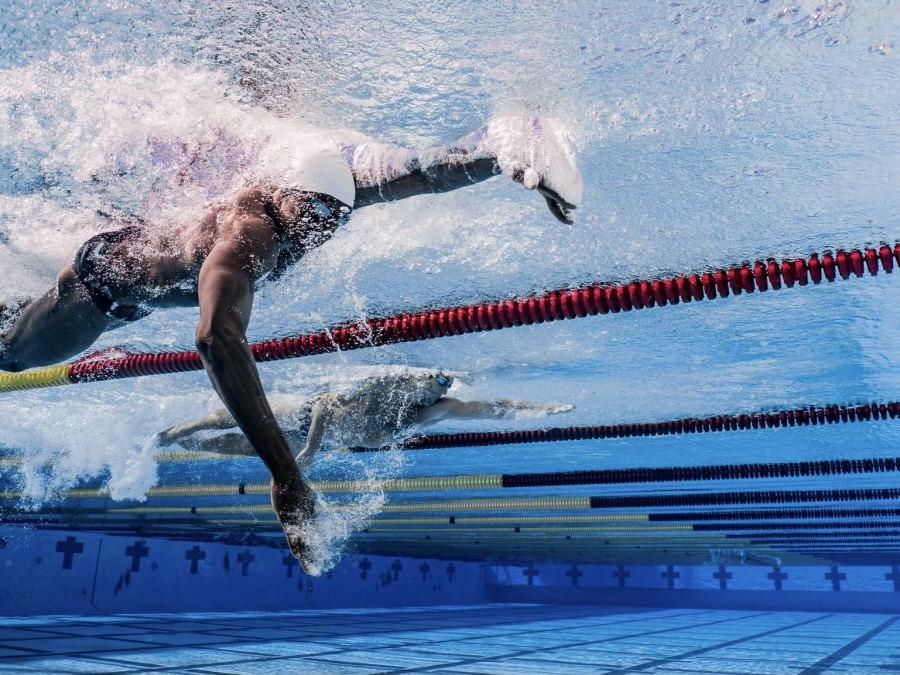
A lot of folks breathe way too late or hold their breath underwater like they’re saving it for later. Both screw you over. Late breaths throw off your rotation and make your pull weaker. Holding air builds up CO2 and leaves you gasping. Then there’s the slow breathers who leave their head sideways forever. Stroke rate drops, balance goes, and suddenly you’re swimming slower even if your arms feel strong. Fix these and you’ll feel the difference fast.
The Right Moment to Breathe
Here’s the cue that clicked for me: as your hand on the breathing side finishes the pull and starts recovering, or when the opposite hand enters, that’s your window. Pull yourself into the breath. Your body is already rotating, so the head turns with it, not against it. Quick inhale, then back to center. Exhale steadily underwater the whole time so you’re ready for the next one. This keeps your rhythm tight and power steady.
Breathing Patterns for Different Distances
Sprint short and you might hold your breath more to keep that high stroke rate. Longer sets? Every two or three strokes keeps oxygen flowing without killing speed. Some swimmers go bilateral every three strokes for balance. It prevents one-sided fatigue and keeps your stroke symmetrical. Experiment in practice. What works for 50 meters might not cut it for 400. Find your sweet spot.
How Breathing Affects Body Position and Speed
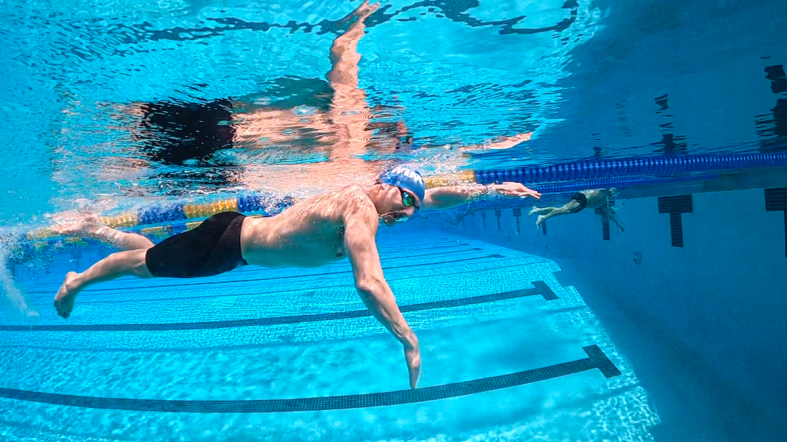
Bad timing lifts your head too much or too long. That sinks your legs and creates massive drag. Good timing keeps your eyes mostly down, body flat and rotating side to side. Less resistance means you slice through water easier. I swear, once I fixed my breath timing my times dropped without adding more training volume. It’s like the water suddenly cooperated.
Drills to Improve Your Breathing Timing
Try single arm freestyle with the other arm extended. Focus on syncing the breath with the pull. Or breathe every five strokes to force better exhale control. Kick on your side with one arm up and practice quick breaths. These feel awkward at first but they wire in the right habits. Film yourself if you can. Nothing beats seeing where your head actually is versus where you think it is.
Training Tips for Faster Integration
Don’t just drill forever. Mix it into main sets. Swim 50s focusing only on breath timing, then build to longer distances. Pay attention to how your stroke feels when you’re fresh versus tired. Fatigue often brings late breathing back. Stay patient. It took me weeks of consistent work before it became automatic. Now it just happens.
Real Benefits You’ll Notice
Once timing clicks, endurance goes up, speed feels easier, and recovery between workouts improves. Your stroke rate stays higher longer. Turns and finishes get sharper too because you’re not fighting for air at the wall. Plenty of club swimmers I’ve talked to say this one change made the biggest jump in their times. It’s not flashy but it works.
Putting It All Together in Your Workouts
Start slow in warm-up, focus on exhaling underwater and quick inhales. Build intensity while keeping timing sharp. Race simulation sets are gold for testing patterns under pressure. Over time this becomes second nature and carries over to open water or competition. Consistency beats perfection every session. Small fixes compound big.
Conclusion
Breathing timing is one of those sneaky fundamentals that separates decent swimmers from the fast ones in Faster Freestyle Swimming. Get it dialed and everything else flows better. If you want to improve swimming overall, spend real time on this instead of chasing arm pulls alone. Your times will thank you.