With more than 10 years of experience in healthcare technology and digital transformation, I’ve seen how compliance management has become one of the most critical operational priorities for healthcare organizations. Between evolving regulations, increasing patient data security concerns, and complex audit requirements, manual systems are no longer sustainable. Modern compliance and audit management solutions are helping healthcare providers streamline operations, reduce risks, and improve organizational efficiency while maintaining regulatory standards.
Why Medical Compliance and Audit Management Are Essential in Modern Healthcare
Increasing Regulatory Requirements Across Healthcare Systems
Healthcare organizations must comply with strict regulations such as HIPAA, HITECH, and regional healthcare standards. Managing these requirements manually creates operational pressure and increases the chances of non-compliance. Automated compliance systems help organizations stay updated with changing policies while reducing administrative burden and risk exposure.
Reducing Human Errors in Documentation and Reporting
Manual compliance tracking often leads to incomplete records, missing documentation, and reporting inaccuracies. Automated audit management solutions centralize information and maintain consistent documentation processes, significantly reducing the possibility of human error and ensuring accurate compliance records across departments.
Protecting Sensitive Patient Information and Data
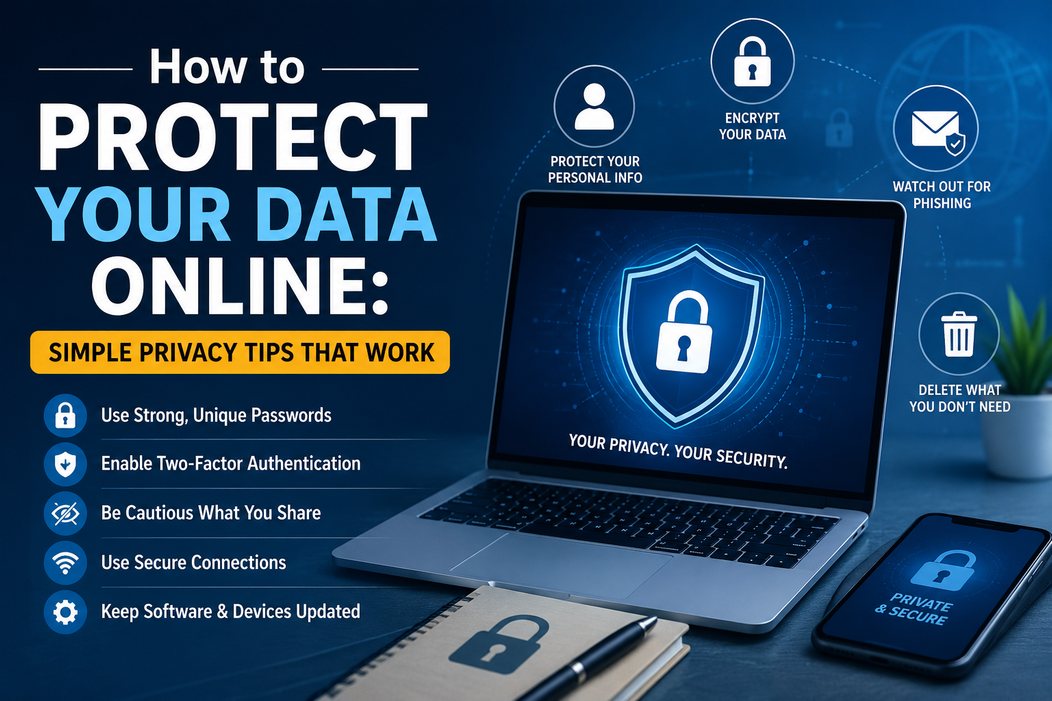
Healthcare organizations handle highly sensitive patient data every day. Compliance management systems include advanced security controls such as role-based access, encryption, and audit trails to protect information from unauthorized access while supporting data privacy regulations.
Enhancing Operational Transparency Across Departments
Audit and compliance systems create transparency by providing centralized visibility into workflows, reports, and risk assessments. This enables healthcare leaders to monitor activities more effectively, identify compliance gaps, and improve accountability throughout the organization.
Improving Readiness for Internal and External Audits
Preparing for audits manually is time-consuming and stressful for healthcare teams. Automated solutions organize records, track policy updates, and maintain digital logs, ensuring organizations remain audit-ready at all times and reducing disruptions during inspections.
Strengthening Organizational Reputation and Patient Trust
Healthcare providers that maintain strong compliance standards are viewed as reliable and trustworthy. Proper audit management not only protects organizations legally but also enhances patient confidence, which is essential for long-term growth and retention.
Key Features of Medical Compliance & Audit Management Solutions
Centralized Compliance Monitoring Dashboards
Modern platforms provide centralized dashboards where organizations can track compliance activities, deadlines, policy updates, and risk alerts in real time. This improves visibility and helps leadership teams make informed operational decisions quickly and effectively.
Automated Policy and Documentation Management
Healthcare compliance requires constant updates to policies and procedures. Automated systems simplify this process by storing digital documents, tracking revisions, and notifying staff about updates, ensuring consistency and accuracy across operations.
Real-Time Audit Trails and Activity Tracking
Comprehensive audit trails record every user activity within the system, creating transparency and accountability. These logs are critical during investigations and regulatory reviews, ensuring organizations can demonstrate compliance through verifiable digital records.
Risk Assessment and Incident Reporting Tools
Risk management features help organizations identify potential compliance issues before they become serious problems. Incident reporting tools streamline the documentation and resolution process, enabling faster corrective action and improved operational control.
Integration with Existing Healthcare Systems
Compliance solutions integrate seamlessly with EHR, billing, and administrative systems, ensuring smooth data flow across departments. This integration eliminates duplicate processes and improves operational efficiency while maintaining consistent compliance standards.
Customizable Reporting and Analytics Capabilities
Advanced reporting features provide detailed insights into compliance performance, operational risks, and audit outcomes. Organizations can generate customized reports that support strategic planning, improve decision-making, and simplify regulatory submissions.
How Compliance and Audit Management Solutions Improve Healthcare Operations
Reducing Administrative Workloads for Staff
Healthcare professionals often spend excessive time managing paperwork and compliance tasks. Automation reduces repetitive administrative responsibilities, allowing staff to focus more on patient care and operational priorities that directly impact service quality.
Improving Accuracy and Efficiency Across Workflows
Automated systems streamline workflows by eliminating manual tracking and reducing duplication. This improves accuracy in reporting, accelerates task completion, and ensures smoother coordination between departments within healthcare organizations.
Supporting Scalable Healthcare Operations
As healthcare organizations grow, compliance requirements become more complex. Scalable compliance management solutions help providers expand operations without losing control over regulatory obligations, ensuring consistent standards across multiple facilities or departments.
Enhancing Decision-Making Through Data Insights
Compliance platforms generate real-time analytics that help healthcare leaders identify patterns, monitor risks, and improve operational strategies. These insights enable organizations to make proactive decisions rather than reacting to compliance issues after they occur.
Building Competitive Advantage Through Operational Excellence
Healthcare organizations with efficient compliance systems operate more confidently and efficiently. Strong compliance practices improve service reliability, reduce legal risks, and create a competitive advantage in a highly regulated industry.
Enabling Tailored Solutions Through Specialized Development
Every healthcare organization has unique compliance requirements based on its services and operational structure. A custom healthcare software development company can create tailored compliance and audit management systems that align with specific workflows, regulatory needs, and long-term business goals.
Future Trends in Medical Compliance and Audit Management
AI-Powered Compliance Monitoring and Automation
Artificial intelligence is transforming compliance management by identifying unusual patterns, predicting risks, and automating repetitive tasks. AI-driven systems help healthcare providers improve accuracy and respond more quickly to potential compliance violations.
Cloud-Based Platforms for Accessibility and Scalability
Cloud technology is making compliance systems more accessible and scalable. Organizations can securely access data from multiple locations while reducing infrastructure costs and improving collaboration across teams.
Predictive Analytics for Risk Prevention
Predictive analytics tools are helping organizations identify compliance risks before they escalate. This proactive approach reduces operational disruptions and improves overall regulatory management strategies.
Increased Focus on Cybersecurity and Data Governance
As cyber threats continue to grow, healthcare organizations are prioritizing stronger data governance and cybersecurity measures. Future compliance systems will integrate advanced security protocols to ensure patient data remains protected.
Integration with Interoperability Standards
Modern compliance systems are increasingly aligning with interoperability standards such as HL7 and FHIR, enabling secure and compliant data sharing across healthcare ecosystems while improving operational coordination.
Continuous Innovation in Digital Healthcare Governance
Healthcare compliance technology will continue evolving as regulations and operational challenges change. Organizations that invest in modern audit management systems today will be better positioned to adapt and maintain long-term operational resilience.
Conclusion
Medical compliance and audit management solutions are no longer optional for modern healthcare organizations. They play a critical role in improving operational efficiency, reducing regulatory risks, and enhancing patient trust. By embracing automation and advanced digital tools, healthcare providers can streamline compliance processes, strengthen organizational performance, and prepare for the future of healthcare operations with confidence.