A barcode scanner is one of the most widely used technologies in modern business operations. From retail stores and warehouses to hospitals and logistics centers, barcode scanners play a critical role in capturing and processing information quickly and accurately. As organizations continue to seek greater efficiency and automation, barcode scanning technology has become an essential tool for managing inventory, tracking products, and improving operational workflows.
The ability to scan and retrieve data instantly reduces human error and eliminates the need for manual data entry. This not only saves time but also enhances accuracy across various business processes. Whether used at a checkout counter or in a large distribution center, barcode scanners help businesses maintain real-time visibility into their operations.
As digital transformation continues to reshape industries, understanding how barcode scanners work and the benefits they provide is increasingly important for organizations looking to improve productivity and customer satisfaction.
What Is a Barcode Scanner?
A barcode scanner is an electronic device designed to read and decode information stored in a barcode. The scanner captures the barcode image, interprets the encoded data, and sends the information to a connected computer system, mobile device, or software application.
Barcodes consist of a series of lines, spaces, or patterns that represent specific data such as product numbers, inventory details, pricing information, or shipment tracking codes. When scanned, the encoded information is instantly translated into readable data that can be processed by business systems.
Barcode scanners are available in various forms, including handheld devices, fixed-position scanners, wireless scanners, and mobile scanning applications. Each type serves different operational needs depending on the industry and business environment.
How Barcode Scanners Work
Barcode scanners operate through a relatively simple but highly effective process. The scanner emits light onto the barcode and captures the reflected image using optical sensors. The varying patterns of dark and light areas within the barcode are detected and converted into electrical signals.
These signals are then processed by decoding software that translates the barcode information into readable text or numerical data. Once decoded, the information is transmitted to a connected system where it can be used for inventory management, sales processing, tracking, or record keeping.
Modern barcode scanners use advanced imaging technology that allows them to read damaged, poorly printed, or partially obscured barcodes. This capability ensures consistent performance even in challenging environments.
The Importance of Barcode Scanners in Business
Barcode scanners have become indispensable tools for organizations seeking accuracy and efficiency. Manual data entry often leads to errors, which can result in inventory discrepancies, shipping mistakes, and customer dissatisfaction. Barcode scanning significantly reduces these risks by automating data collection.
Businesses can process transactions faster, improve inventory visibility, and enhance operational control through barcode technology. Employees spend less time entering information manually and more time focusing on productive tasks.
The speed and reliability of barcode scanners also contribute to better customer experiences. In retail settings, faster checkout processes reduce waiting times and improve overall satisfaction. In logistics and warehousing environments, accurate scanning helps ensure timely deliveries and efficient order fulfillment.
As companies continue to adopt automation technologies, barcode scanners remain a foundational component of modern business infrastructure.
Barcode Scanners in Retail Operations
Retail businesses are among the largest users of barcode scanning technology. Every product sold in a retail store typically carries a barcode that contains information about pricing, inventory, and product identification.
When a cashier scans a product at the point of sale, the barcode scanner instantly retrieves product details and updates inventory records. This process eliminates the need for manual price entry and significantly reduces transaction times.
Barcode scanners also support inventory management by helping retailers track stock levels accurately. Businesses can monitor product movement, identify popular items, and replenish inventory more efficiently.
The combination of accurate data capture and real-time inventory updates enables retailers to improve operational performance while delivering better service to customers.
The Role of Barcode Scanners in Warehousing and Logistics
Warehouses and logistics companies rely heavily on barcode scanners to manage large volumes of products and shipments. Every item moving through the supply chain can be tracked using barcode technology, providing visibility from receiving to delivery.
Barcode scanners enable warehouse staff to verify incoming shipments, locate products quickly, and maintain accurate inventory records. Real-time scanning reduces the likelihood of misplaced items and improves overall warehouse organization.
In logistics operations, barcode scanners help monitor package movement throughout transportation networks. Each scan creates a record that allows businesses and customers to track shipments accurately.
This enhanced visibility improves supply chain efficiency and ensures that products reach their destinations on time.
Barcode Scanners in Healthcare
Healthcare organizations use barcode scanners to improve patient safety and operational efficiency. Hospitals, clinics, and pharmacies rely on barcode technology to manage medications, patient records, and medical equipment.
Medication administration systems often use barcode scanners to verify patient identities and ensure that the correct medications are delivered. This process helps reduce medication errors and enhances patient care.
Healthcare providers also use barcode scanners to track medical supplies and equipment. Accurate inventory management ensures that critical resources are available when needed while minimizing waste and shortages.
The integration of barcode scanning technology into healthcare workflows contributes to safer and more efficient medical operations.
Advantages of Using Barcode Scanners
One of the primary advantages of barcode expiry date scanners is improved accuracy. Human errors associated with manual data entry can lead to costly mistakes, while barcode scanning significantly reduces the likelihood of incorrect information.
Efficiency is another major benefit. Barcode scanners process information almost instantly, allowing businesses to complete tasks faster and more effectively. This increased speed translates into higher productivity and lower operational costs.
Real-time data access is also a valuable advantage. Organizations can instantly update inventory levels, sales records, and shipment statuses as transactions occur.
Additionally, barcode scanners support better decision-making by providing accurate and timely information. Managers can analyze operational data, identify trends, and make informed business decisions based on reliable information.
The Future of Barcode Scanner Technology
Barcode scanning technology continues to evolve alongside advances in automation, mobile computing, and artificial intelligence. Modern scanners are becoming more powerful, versatile, and capable of integrating with sophisticated business systems.
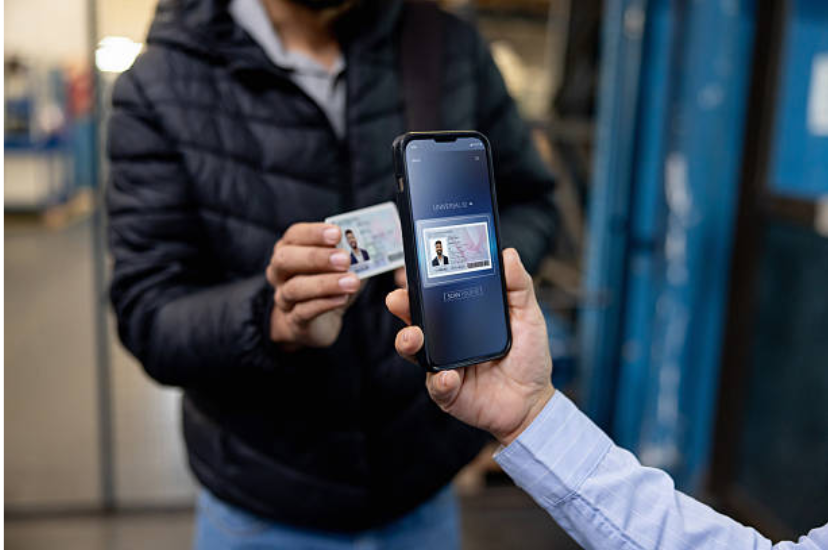
Mobile barcode scanning applications are increasingly popular because they allow employees to use smartphones and tablets as scanning devices. This flexibility reduces hardware costs while expanding accessibility.
Artificial intelligence and machine learning technologies are also enhancing barcode scanning capabilities. Advanced systems can recognize damaged codes, improve scanning accuracy, and automate data processing tasks.
As businesses continue to embrace digital transformation, barcode scanners will remain essential tools for managing information efficiently and supporting operational excellence.
Conclusion
Barcode scanners have transformed the way businesses capture, process, and manage data. Their ability to provide accurate, real-time information has made them indispensable across industries such as retail, warehousing, logistics, and healthcare.
By reducing manual errors, improving efficiency, and enhancing visibility into operations, barcode scanners help organizations achieve greater productivity and customer satisfaction. As technology continues to advance, barcode scanning solutions will become even more integrated with modern business systems, supporting smarter and more automated workflows.
For organizations seeking to improve operational performance and maintain a competitive advantage, investing in barcode scanner technology remains a practical and valuable decision. The continued growth of digital business environments ensures that barcode scanners will play an important role in the future of data management and operational success.