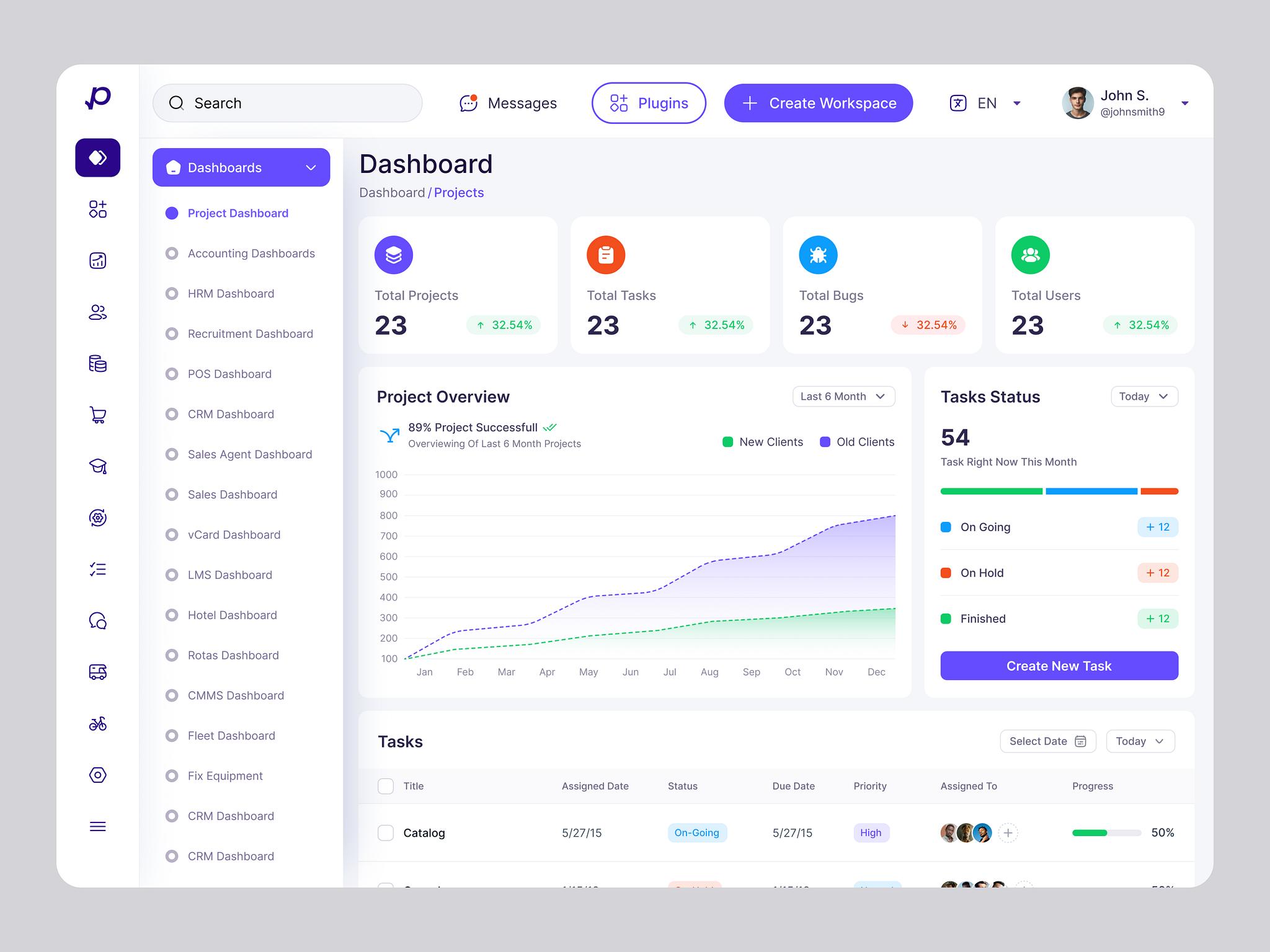
Mergers and acquisitions (M&A) transactions are rarely handled by a single individual. From sourcing opportunities and conducting due diligence to negotiating terms and closing deals, multiple professionals collaborate throughout the transaction lifecycle. Investment bankers, private equity professionals, corporate development teams, analysts, legal advisors, and senior executives all play critical roles in moving deals forward.
While collaboration is essential, it can also be one of the biggest challenges in M&A. Teams often work across departments, offices, and even countries, relying on emails, spreadsheets, and disconnected systems to share information. This fragmented approach can lead to communication gaps, duplicated efforts, missed deadlines, and delayed transactions.
A specialized CRM for M&A solves these challenges by providing a centralized platform where deal teams can collaborate effectively, access real-time information, and stay aligned throughout the deal lifecycle. By improving communication and coordination, an M&A CRM helps organizations execute transactions more efficiently and close deals faster.
Why Collaboration Matters in M&A
Every M&A transaction involves numerous stakeholders, each responsible for specific tasks and deliverables.
Typical deal participants include:
- Managing directors
- Investment bankers
- Private equity professionals
- Analysts and associates
- Corporate development teams
- Legal advisors
- Financial consultants
- Executive leadership
Each stakeholder contributes valuable insights and activities throughout the process. However, without a structured collaboration framework, teams may struggle to maintain visibility into deal progress and responsibilities.
Poor collaboration can result in:
- Missed follow-ups
- Inconsistent communication
- Delayed approvals
- Duplicate work
- Reduced productivity
- Increased transaction risk
A CRM for M&A helps eliminate these issues by creating a shared environment for managing deal-related information and activities.
Centralizing Deal Information
One of the primary ways an M&A CRM enhances collaboration is by serving as a centralized repository for all deal-related data.
Instead of storing information across multiple spreadsheets, inboxes, and shared drives, teams can access:
- Deal records
- Buyer and seller profiles
- Financial information
- Communication histories
- Due diligence documents
- Meeting notes
- Task updates
Having a single source of truth ensures everyone works from the same information, reducing confusion and minimizing the risk of errors.
When team members need updates, they can access the CRM rather than requesting information from colleagues, saving time and improving efficiency.
Improving Transparency Across Teams
In many organizations, visibility into deal activity is limited to specific individuals or departments.
An M&A CRM provides real-time transparency into:
- Deal stages
- Upcoming tasks
- Recent communications
- Assigned responsibilities
- Transaction milestones
This visibility enables stakeholders to understand the current status of every opportunity without relying on manual updates or lengthy status meetings.
Greater transparency helps teams identify bottlenecks, address issues proactively, and maintain deal momentum.
Streamlining Communication
Effective communication is essential for successful transaction execution.
An M&A CRM captures and organizes communications such as:
- Emails
- Phone calls
- Meetings
- Notes
- Follow-up activities
This creates a complete communication history that can be accessed by authorized team members.
If a colleague is unavailable or transitions off a deal, another team member can quickly review previous interactions and continue discussions without disruption.
This continuity improves stakeholder experiences and prevents important information from being lost.
Enhancing Task Management and Accountability
M&A transactions involve hundreds of tasks that must be completed on schedule.
Examples include:
- Buyer outreach
- NDA management
- Due diligence requests
- Financial reviews
- Legal documentation
- Approval processes
A CRM helps teams assign tasks, set deadlines, and monitor progress from a central platform.
Task management features provide:
- Automated reminders
- Progress tracking
- Responsibility assignments
- Escalation notifications
Clear accountability ensures everyone understands their responsibilities and helps prevent delays caused by overlooked activities.
Supporting Cross-Functional Collaboration
Modern M&A transactions require contributions from multiple departments and external partners.
A CRM enables collaboration across:
- Investment banking teams
- Corporate development groups
- Legal departments
- Compliance teams
- External advisors
- Executive stakeholders
By providing secure access to relevant information, the CRM allows each participant to contribute effectively while maintaining appropriate data controls.
Cross-functional collaboration becomes more efficient because everyone has access to the insights they need to perform their roles.
Facilitating Document Sharing and Management
Document management is a major component of M&A transactions.
Teams must regularly access and share:
- Financial statements
- Due diligence reports
- Valuation models
- Purchase agreements
- Confidential information memorandums
- Regulatory documents
A CRM with document management capabilities provides a centralized location for storing and organizing files.
Key benefits include:
- Version control
- Secure access permissions
- Document tracking
- Faster retrieval
- Reduced duplication
This ensures that all stakeholders work from the most current documents and reduces confusion during critical stages of the transaction.
Enabling Real-Time Collaboration
Deal conditions can change quickly, requiring teams to respond immediately.
A CRM supports real-time collaboration through:
- Activity updates
- Shared notes
- Notifications
- Pipeline changes
- Dashboard reporting
Real-time visibility allows stakeholders to make informed decisions without waiting for manual status reports.
This responsiveness helps teams address challenges quickly and maintain transaction momentum.
Leveraging Reporting and Performance Insights
Collaboration improves when teams have access to shared performance metrics.
An M&A CRM provides dashboards and reports that track:
- Pipeline performance
- Deal progression
- Team productivity
- Conversion rates
- Activity levels
- Forecasted revenue
These insights help leadership identify areas where collaboration can be improved and ensure resources are allocated effectively.
Data-driven management promotes greater alignment across teams and improves overall transaction execution.
Preserving Institutional Knowledge
In many firms, valuable deal knowledge resides with individual employees.
When team members leave, switch roles, or become unavailable, critical information may be lost.
An M&A CRM captures and preserves:
- Relationship histories
- Transaction records
- Meeting notes
- Communication logs
- Strategic insights
This institutional knowledge remains accessible to the organization, ensuring continuity and supporting long-term collaboration.
Conclusion
Successful M&A transactions depend on seamless collaboration between dealmakers, analysts, advisors, and executives. A specialized CRM for M&A provides the tools needed to centralize information, improve transparency, streamline communication, manage tasks, and support cross-functional teamwork throughout the deal lifecycle.
By creating a single platform for collaboration, an M&A CRM reduces inefficiencies, improves accountability, and enables teams to execute transactions more effectively. For investment banks, private equity firms, and corporate development teams seeking to improve deal outcomes, implementing the right M&A CRM can significantly enhance collaboration and drive greater transaction success.