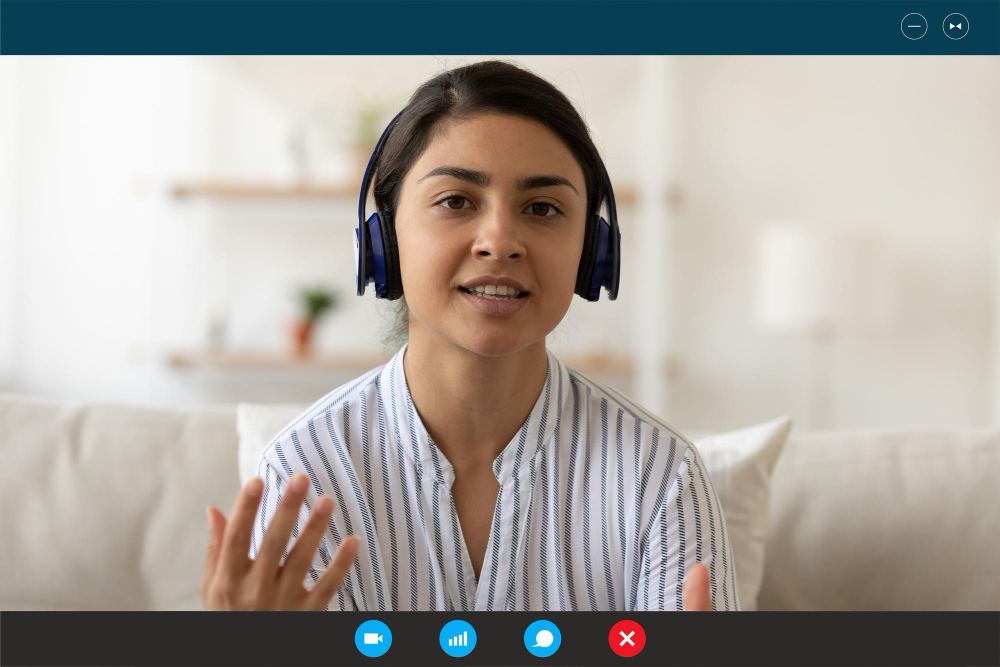
Live Chat has quietly become the channel customers reach for first when they need help right away. Instead of dialing a number and waiting on hold, or sending an email and checking their inbox for hours, people now expect to type a question and get a real answer within seconds. For businesses, this shift is not just a convenience feature bolted onto a website — it is one of the most direct ways to shorten response times, reduce frustration, and turn everyday support conversations into moments that build loyalty.
Why Response Speed Has Become the New Battleground
Customers rarely compare businesses on price alone anymore. Increasingly, they judge a brand by how quickly and clearly it responds when something goes wrong or when they simply have a question before buying. A slow reply can push a shopper toward a competitor’s tab that is already open in another browser window. A fast, helpful reply can do the opposite — it can turn a hesitant visitor into a paying customer within minutes.
This is exactly where real-time chat earns its place. It removes the waiting that comes with phone queues and the delay that comes with email threads, replacing both with an instant, text-based conversation that fits naturally into how people already browse and shop online.
How Real-Time Chat Changes the Support Conversation
Traditional support channels force customers to interrupt what they are doing — stop browsing, make a call, wait for a callback. Chat, on the other hand, sits quietly on the page until it is needed. A visitor can ask about shipping while comparing products, get a quick clarification on pricing, or flag an issue with an order, all without leaving the page they are on.
Agents benefit too. A single support representative can often handle several chat conversations at once, something that simply is not possible on a phone line. This means shorter queues, quicker resolutions, and a support team that can serve more customers without a proportional increase in headcount.
Key Ways Chat Support Strengthens the Customer Journey
The advantages go beyond speed. A well-run chat setup touches almost every stage of how a customer interacts with a business:
• Faster first response, which lowers the chance of a visitor abandoning a purchase out of uncertainty.
• Lower support costs, since agents can manage multiple conversations simultaneously instead of one call at a time.
• Higher satisfaction scores, because customers get answers in the same window they are already using.
• Better data capture, as chat transcripts reveal exactly what questions and objections come up most often.
• Round-the-clock availability, when paired with trained agents or a hybrid chatbot-and-human model, so no query goes unanswered simply because of the time of day.
Chat Compared to Phone and Email Support
Phone support still has its place for complex or sensitive issues that need a human voice. Email works well for detailed, non-urgent requests where a paper trail matters. But for the everyday questions that make up most support volume — order status, product details, return policies — chat consistently resolves things faster and with less effort on the customer’s part.
Businesses that rely only on phone and email often see longer resolution times and higher drop-off rates simply because customers give up waiting. Adding chat as a first line of contact does not replace these channels; it filters out the simple queries so phone and email teams can focus on the cases that genuinely need deeper attention.
Getting the Most Out of a Chat Support Setup
Simply installing a chat widget is not enough on its own. A few practices separate chat programs that genuinely help customers from ones that feel like just another box to fill:
• Keep the first reply fast — ideally under a minute, since delays defeat the whole purpose of the channel.
• Train agents to write clearly and briefly, avoiding long blocks of text that are hard to read on a phone screen.
• Use canned responses for common questions, but personalize them so replies do not feel robotic.
• Route complex issues to the right specialist quickly instead of making the customer repeat themselves.
• Review chat transcripts regularly to spot recurring problems and fix them at the source.
Frequently Asked Questions
Q: How fast should a chat reply be?
Most customers expect a first response within a minute or two. Replies that take longer than five minutes tend to feel similar to email in terms of frustration.
Q: Can chat support work outside business hours?
Yes. Many businesses combine trained agents during peak hours with an automated or outsourced chat team overnight, so queries are never left unanswered.
Q: Is chat support suitable for small businesses?
Absolutely. Because one agent can manage multiple conversations at once, chat is often more cost-effective for small teams than scaling up phone support.
Q: Does chat support replace phone and email?
No. It works best alongside them, handling quick questions instantly while phone and email remain available for detailed or sensitive matters.
Bringing It All Together
None of this works by accident. Speed, clarity, and consistency in chat conversations come from trained agents, clear processes, and the right tools working together — and that combination is what separates a chat widget that sits unused from one that actively drives results. Businesses that treat chat as a core part of their support strategy, rather than an afterthought, tend to see the difference show up in shorter resolution times and repeat customers who come back because their questions were answered without friction. In the end, every channel a business offers is really in service of one goal: a smoother, more responsive Customer Experience that makes people want to return.
Ready to turn every conversation into a happy customer?