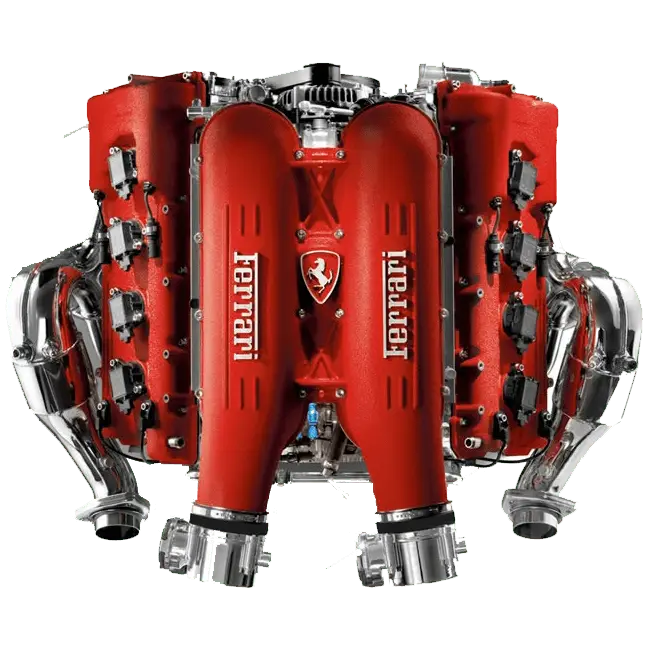
A Ferrari isn’t just a car—it’s a precision instrument with hundreds of sensors constantly monitoring performance. When a warning light illuminates on your dashboard, it’s the car communicating something. Understanding what it’s saying is essential. Some lights demand immediate attention; others can wait until your next service. If you own a Ferrari and notice concerning indicators, knowing whether to pull over or proceed to a qualified Ferrari engine repair workshop in Dubai is the difference between a minor issue and significant engine damage.
The modern Ferrari is a marvel of engineering—twin-turbocharged engines, advanced fuel injection systems, and real-time monitoring networks that track dozens of parameters simultaneously.
This sophistication, however, means that dashboard warning lights carry more complexity than a typical car. A single light can indicate multiple possible faults, each ranging from trivial to critical.
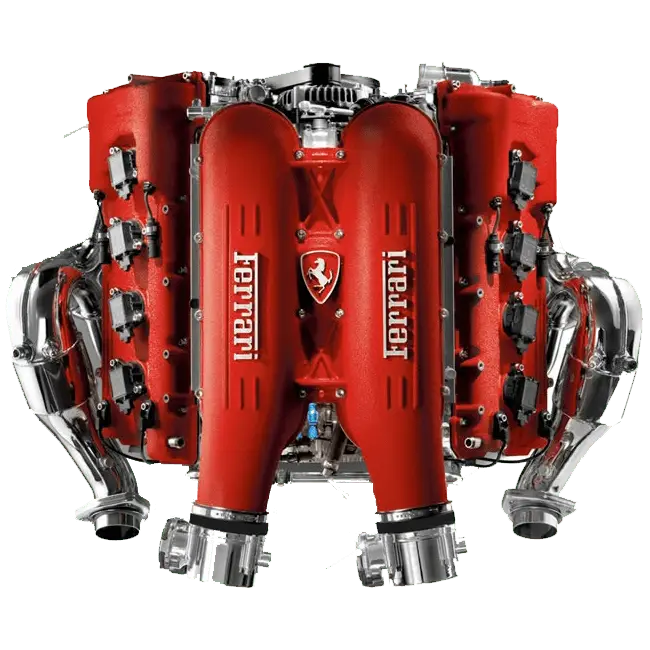
The Check Engine Light: What It Actually Means
The most common warning light Ferrari owners encounter is the Check Engine light (often labeled as an engine symbol). This light signals that the onboard diagnostic system has detected a fault in the engine, emissions, or transmission systems. The critical thing to understand: this light doesn’t tell you what’s wrong. It merely indicates that something out-of-range has been detected.
A Check Engine light could mean:
⚙️
Severity: Low to Critical (Varies)
Possible Faults
A loose fuel cap. A failing oxygen sensor. Incorrect fuel mixture. A transmission adaptation issue. A turbocharger boost leak. Ignition timing drift. Each ranges from “can drive to the workshop” to “stop immediately.”
This is where a proper Ferrari engine technician in Dubai becomes essential. They connect specialized diagnostic equipment that reads the specific fault code stored in your Ferrari’s ECU (Engine Control Unit). The code narrows the problem from dozens of possibilities to a specific system or component. Without this level of diagnostic capability, you’re essentially guessing.
What to Do
If a Check Engine light appears and the engine sounds and feels normal, you can typically drive to a service center. If the light flashes (as opposed to steady illumination), stop immediately. A flashing Check Engine light indicates an active misfire or serious fault that requires immediate attention to avoid engine damage.
Engine Oil Pressure Warning Light
This warning—usually a pressurized oil can symbol—is one of the most critical indicators on your dashboard. Engine oil is the lifeblood of your Ferrari’s engine. Without adequate oil pressure, metal-on-metal contact occurs, leading to catastrophic engine failure within minutes.
🛢️
Severity: Critical
Oil Pressure Warning
If this light illuminates while driving, pull over safely immediately and shut off the engine. Continuing to drive risks irreversible engine damage. Causes include low oil level, failing oil pressure sensor, or internal engine wear.
Before doing anything else, check your oil level. If it’s low, top it up with the correct Ferrari-specification oil and restart the engine. If the light persists, do not drive the car. Call a Ferrari repair specialist. A faulty oil pressure sensor (common) is fixable. Low actual oil pressure indicates an engine problem requiring professional diagnosis.
Engine Coolant Temperature Warning
Ferrari engines run hot—it’s part of their performance design. But there are limits. An engine overheating warning light indicates your cooling system isn’t managing heat adequately.
🌡️
Severity: High
Coolant Temperature High
If this light comes on, reduce speed immediately. An overheating Ferrari engine risks thermal damage—gaskets, seals, and head warping. Common causes: low coolant, thermostat failure, cooling fan malfunction, or water pump wear.
Immediate action: turn off air conditioning (it adds heat load), reduce engine load, and head toward a service facility. If the engine temperature gauge is in the red zone and the light is on, pull over in a safe location and let the engine cool before attempting to drive further. Never open the radiator cap while the engine is hot—you’ll get scalded.
Turbocharger Boost Pressure Warning
Modern Ferraris (F8, SF90, and others) are turbocharged. A boost pressure warning indicates the turbo system isn’t delivering expected boost levels, which affects power output and engine efficiency.
⚡
Severity: Medium
Turbo/Boost System Fault
You can typically continue driving, but engine performance will be reduced. Common causes: boost leak, failing turbo wastegate, or sensor malfunction. This requires diagnostic equipment to pinpoint.
Don’t ignore this light hoping it resolves itself. Boost leaks and turbo issues compound over time. Schedule service with a Ferrari repair workshop that has turbocharger diagnostic capability.
Battery and Electrical System Warnings
A battery warning light (usually a battery symbol) indicates your alternator isn’t charging properly or your battery is failing. Modern Ferraris rely heavily on electrical systems for ignition, fuel injection, and stability control.
🔋
Severity: Medium to High
Electrical System Fault
If this light appears while driving, you have limited time before battery depletion. Reduce electrical load (turn off air conditioning and non-essential systems) and head directly to the nearest service center.
When to Seek Professional Help
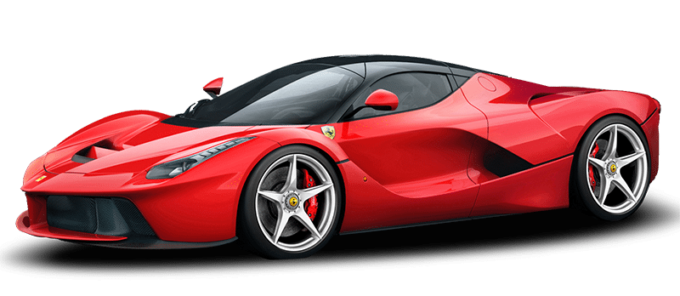
Knowing whether to drive to a service center or call for roadside assistance depends on the specific warning. Red/flashing warnings are always critical—stop immediately. Yellow/steady warnings often allow you to proceed cautiously to a workshop. But here’s the reality: if you own a Ferrari, investing in relationship with a qualified Ferrari engine repair workshop in Dubai is essential. These are not vehicles you troubleshoot yourself or take to generic garages.
🔧 OEM diagnostic software
⚙️ Turbo expertise
🛢️ Oil system knowledge
🌡️ Cooling diagnostics
💾 ECU mapping capability
🚗 Ferrari-specific tools
A proper Ferrari repair facility has the specialized equipment, training, and parts sourcing necessary to diagnose and repair these complex engines correctly.
Frequently Asked Questions
My Ferrari 488 has a Check Engine light that comes and goes. Is it serious?
An intermittent Check Engine light is often more frustrating than a constant one because it’s harder to diagnose. An intermittent fault could indicate a sensor reading inconsistently, a loose electrical connection, or a problem that only manifests under specific driving conditions. The issue is that without the car actively triggering the fault, diagnostic equipment won’t capture the problem code. The solution: drive the car to a Ferrari specialist equipped with live data monitoring capability. They can log sensor readings during various driving conditions to identify when and why the fault occurs. Don’t ignore intermittent faults—they typically worsen over time before becoming constant.
Can I clear a Ferrari engine warning light myself, or do I need a specialist?
Technically, you can clear a warning light with a generic OBD-II scanner—it’s the same procedure as any car. But here’s why you shouldn’t: clearing a light without addressing the underlying fault is masking the problem, not fixing it. In a Ferrari, this is particularly dangerous. That Check Engine light or boost warning exists for a reason. A generic scanner reads only basic codes; a Ferrari-specific diagnostic tool reads manufacturer-level fault data with far more detail. More importantly, clearing a light without fixing the fault means the light will return, potentially at an inconvenient or dangerous time. Your Ferrari is telling you something is wrong. Find out what before it becomes expensive.
I saw an oil pressure warning light briefly during acceleration, then it went away. Should I be worried?
Don’t ignore this. Oil pressure dips during hard acceleration are normal in high-revving engines, but if your Ferrari’s warning light is triggering, it means oil pressure is dropping below the minimum threshold—that’s not normal. This could indicate low oil level, a failing oil pressure sensor, or beginning engine wear. First, check your oil level immediately. If it’s low, top it up with correct-spec Ferrari oil and monitor the light. If the light reappears during spirited driving, you have a sensor or internal engine issue that requires diagnosis. An oil pressure sensor replacement is relatively straightforward and affordable. Ignoring it and having actual low oil pressure could mean catastrophic engine damage. Get it checked sooner rather than later.
What’s the difference between a flashing Check Engine light and a steady one in a Ferrari?
The difference is critical. A steady Check Engine light indicates a fault has been detected, but the engine is still operating within acceptable parameters. You can typically drive carefully to a service center. A flashing Check Engine light means an active, severe fault is occurring right now—usually a misfire or emissions system failure that could cause catalyst damage if you continue driving. A flashing light is a “stop now” indicator. Pull over safely, shut off the engine, and call for roadside assistance or have the car towed to a Ferrari repair facility. Never ignore a flashing light. The damage that can occur in minutes of continued driving could cost tens of thousands in repairs.
Thanks, bloggingwebs.com